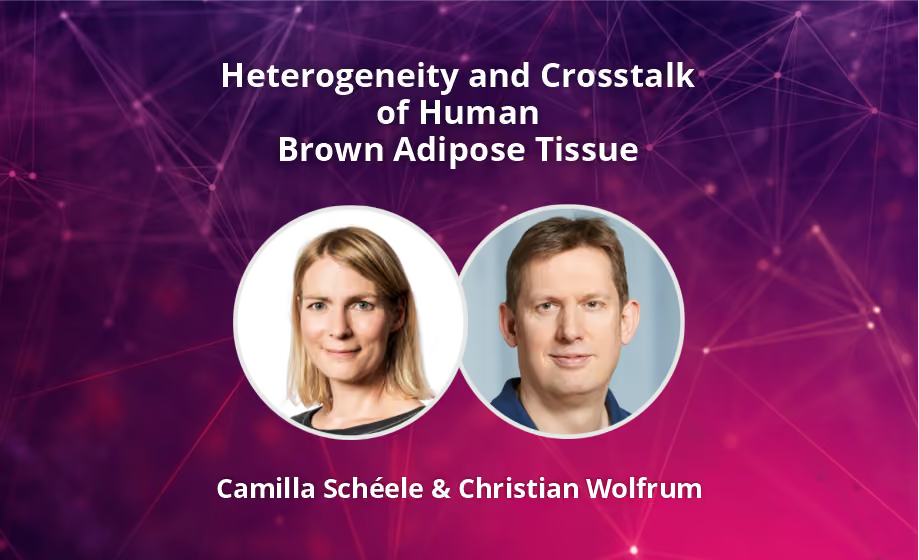
Camilla Schéele & Christian Wolfrum discuss the physiology of brown adipose tissue and share late-breaking research on the role of BAT in whole body metabolic regulation.
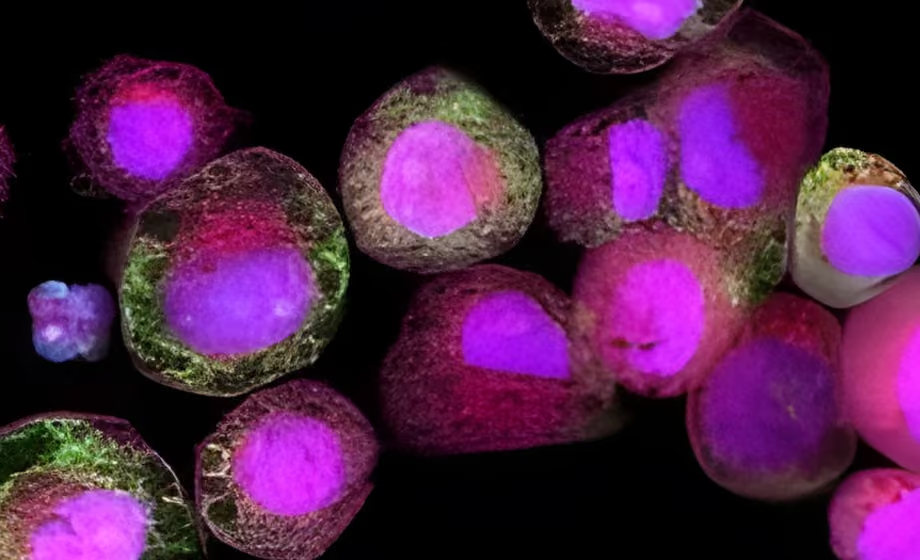
Adipose tissues contain lipid-filled adipocytes but are also composed of several other cell types including adipogenic progenitors, endothelial cells, immune cells and neuronal cells. Brown adipose tissue (BAT) contains thermogenic adipocytes which produce heat in response to cold, an energy-consuming process. Today, it is well established that adipose tissue function is highly dependent on the plasticity of the tissue due to the interaction of different cell types present within the tissue. In addition, the function of adipose tissue is controlled by secreted factors, called adipokines or batokines. Some of these cytokines affect nearby cells within the adipose tissue while others are secreted into the circulation for communication at the organ level.
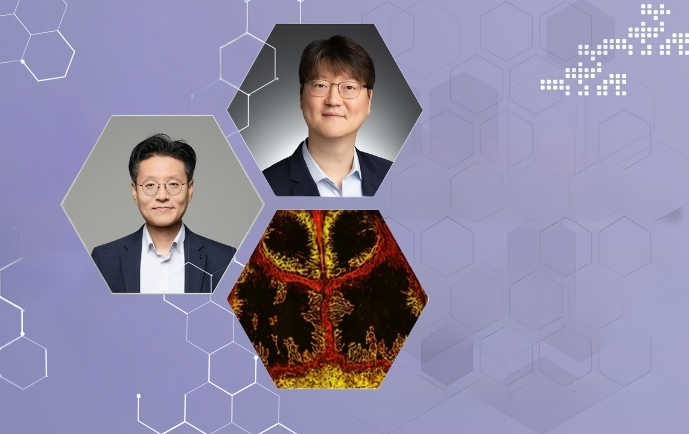
In this exclusive live webinar, Camilla Schéele, Associate Professor at The Novo Nordisk Foundation Center for Basic Metabolic Research in Copenhagen, Denmark and Christian Wolfrum, Professor at ETH Zürich in the Department of Health Science and Technology in Zürich, Switzerland will discuss broader aspects of brown adipose tissue and share late-breaking research relating to the role of BAT in whole body metabolic regulation.
Featuring Insights from

Camilla Schéele
PhD
Camilla Schéele is a molecular biologist known in the field for her pioneering studies on adipose progenitors from brown adipose tissue of adult humans. She received her PhD from Karolinska Institutet in Sweden and moved to Copenhagen for a postdoctoral position at the Centre of Inflammation and Metabolism at University hospital of Copenhagen, where she established important clinical collaborations and found her niche in the field of human brown adipocyte crosstalk via batokines. Since 2017, Schéele has ran her group at The Novo Nordisk Foundation Center for Basic Metabolic Research in Copenhagen at the University of Copenhagen.

Christian Wolfrum
PhD
Christian Wolfrum is a biochemist known for his work on adipose tissue formation and plasticity. He received his PhD from the University of Münster in Germany and moved to Rockefeller University in NYC for a postdoctoral position. In 2008 he was appointed group leader at the Competence Center for Metabolic Disorders at ETH Zürich. In 2010 he was appointed associate professor and since the research of his group has focused on adipose tissue development and function with a special emphasis on the formation of brown and brite/beige adipocytes from adipocyte precursors or through interconversion of mature adipocytes.
In Partnership with
American Physiological Society
Founded in 1887, the American Physiological Society is a global leader in expanding knowledge related to biological function. We connect a multidisciplinary community of nearly 10,000 scientists and educators from around the world, driving collaboration and spotlighting scientific discoveries in physiology and related disciplines. Our members are advancing treatments and cures for everything from cancer and heart disease, to obesity and addiction. They are also deepening our insight into living organisms generally, helping us to better understand how things like climate change are affecting the world around us.