Autoimmune diseases affect over 8% of the population.  There is a significant genetic component, such that they cluster in families and even in a single individual.  One of the most salient characteristics of autoimmune diseases is that most preferentially affect women. There has long been a debate whether this reflects hormonal or chromosomal influences.  We now know both are involved.
Most autoimmune diseases are characterized by the presence of autoantibodies, and many of these contribute to tissue injury and autoimmune pathology.  It is clear that B cell maturation and selection is altered by hormonal milieu.  The implications for autoimmune disease are still being elucidated.
This presentation focuses on the historical and current understanding of hormonal and chromosomal influences on autoimmunity with particular attention to nuclear hormone action, specifically Estrogen receptor alpha (ERα).
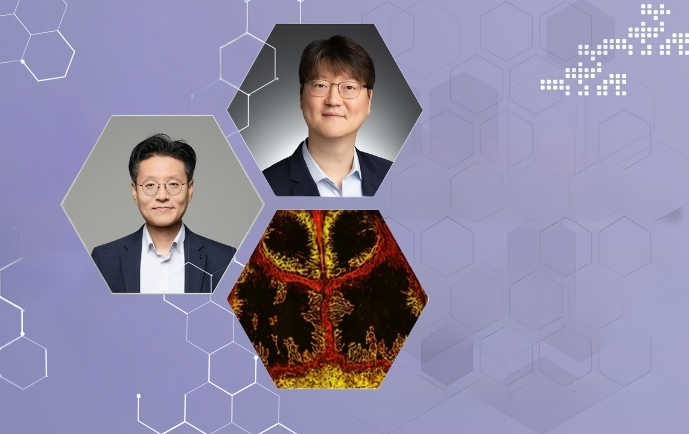
Featuring Insights from

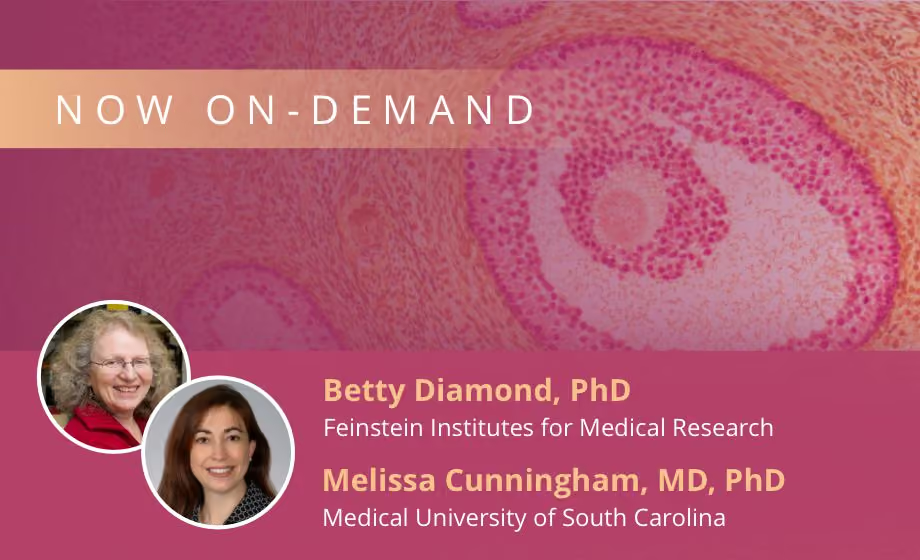
Betty Diamond
MD
Dr. Betty Diamond is the Director of the Institute of Molecular Medicine at the Feinstein Institute for Medical Research. Her research has focused on the induction and pathogenicity of anti-DNA antibodies in Systemic Lupus Erythematosus.

Melissa Cunningham
MD, PhD
Dr. Melissa Cunningham has an interest in women’s health issues with a focus on sex bias in autoimmunity. Her basic science research focuses on the role of estrogen receptor alpha variants in modulating Toll-like receptor signaling and the inflammatory response in lupus.
In Partnership with

American Physiological Society
Founded in 1887, the American Physiological Society is a global leader in expanding knowledge related to biological function. We connect a multidisciplinary community of nearly 10,000 scientists and educators from around the world, driving collaboration and spotlighting scientific discoveries in physiology and related disciplines. Our members are advancing treatments and cures for everything from cancer and heart disease, to obesity and addiction. They are also deepening our insight into living organisms generally, helping us to better understand how things like climate change are affecting the world around us.
Society for Women’s Health Research
As a national thought leader dedicated to advancing women’s health and promoting research on sex differences to optimize women’s health, the Society for Women’s Health Research (SWHR) plays a critical role in identifying clinical and research gaps; raising awareness of diseases, conditions, and life stages that differently, disproportionately, or exclusively affect women; and promoting policies that could positively shape health outcomes for women. Over its more than 30-year history, SWHR has been advancing women’s health through its core functions of science, policy, and education.





















.avif)