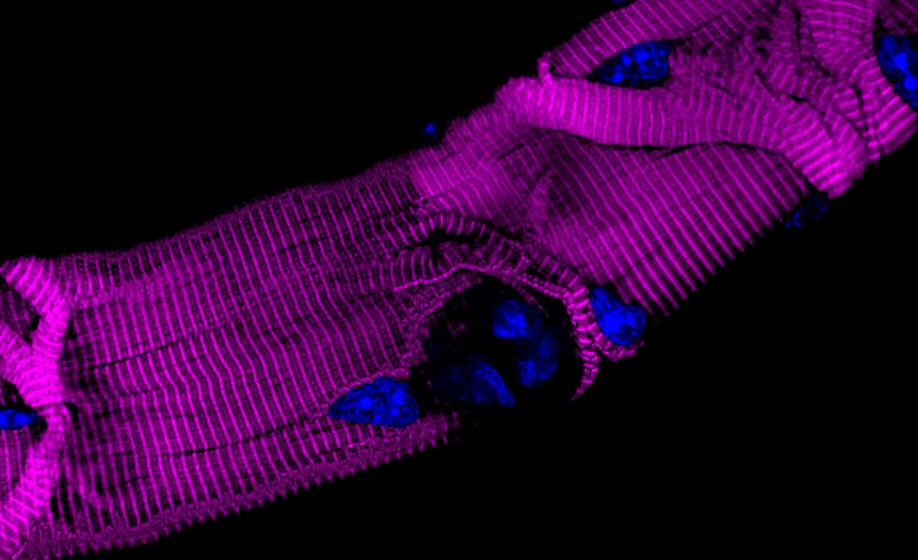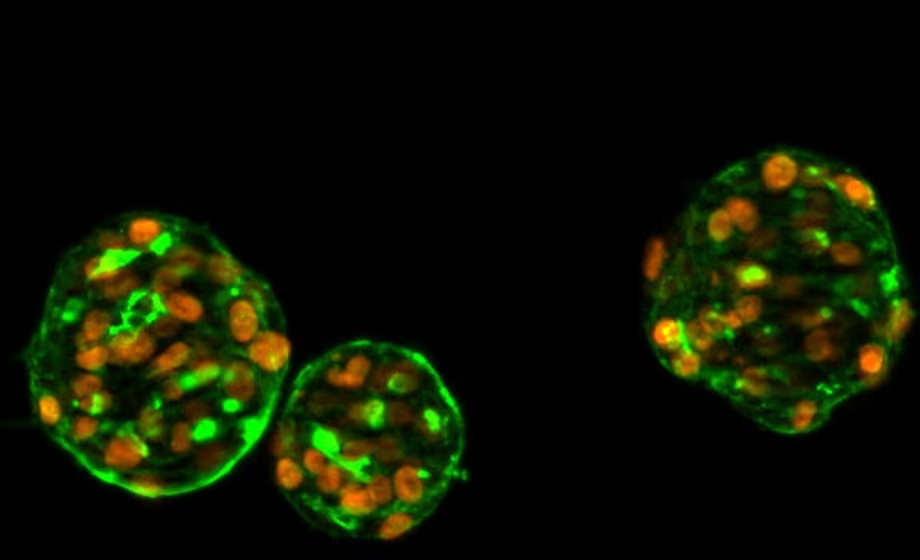
Learn how an emerging NAM is helping advance more efficient, human-relevant strategies for assessing thyroid hormone disruption while reducing reliance on animal testing.
Endocrine-disrupting chemicals present a growing global health concern, with the potential to interfere with critical hormonal systems such as thyroid function. However, current approaches to evaluating thyroid toxicity often rely on resource-intensive animal studies or in vitro methods that do not fully capture human-relevant biology.
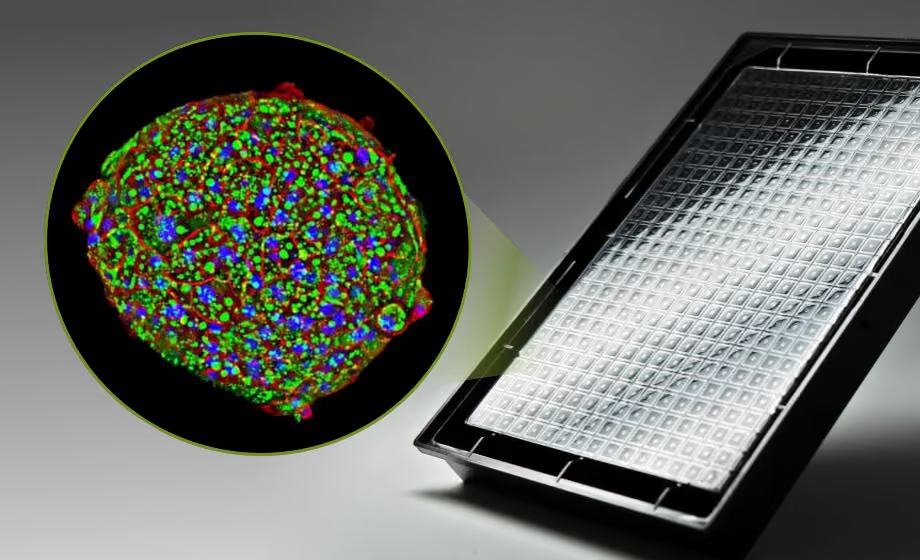
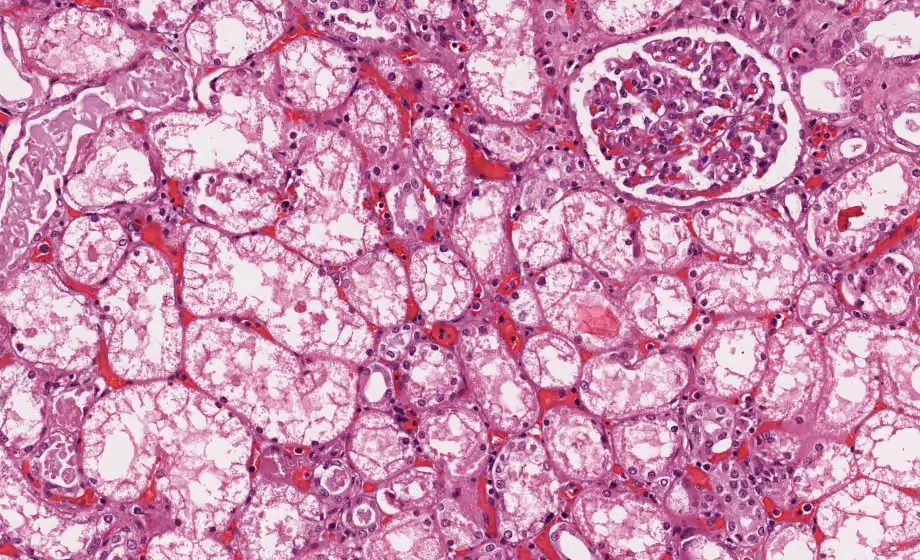
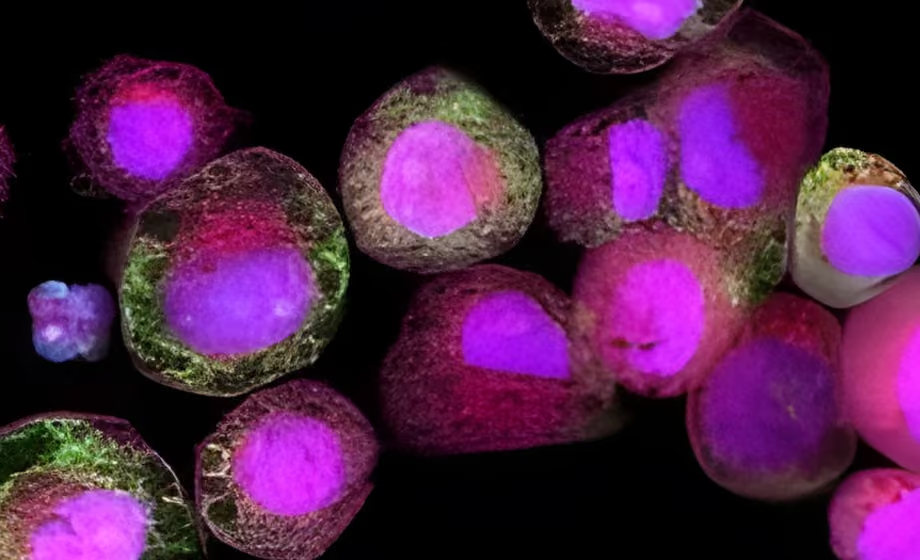
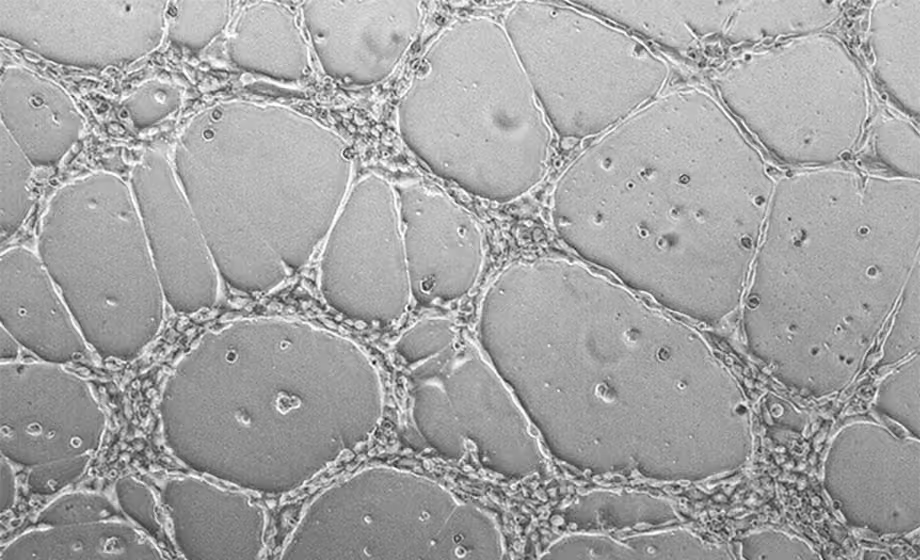
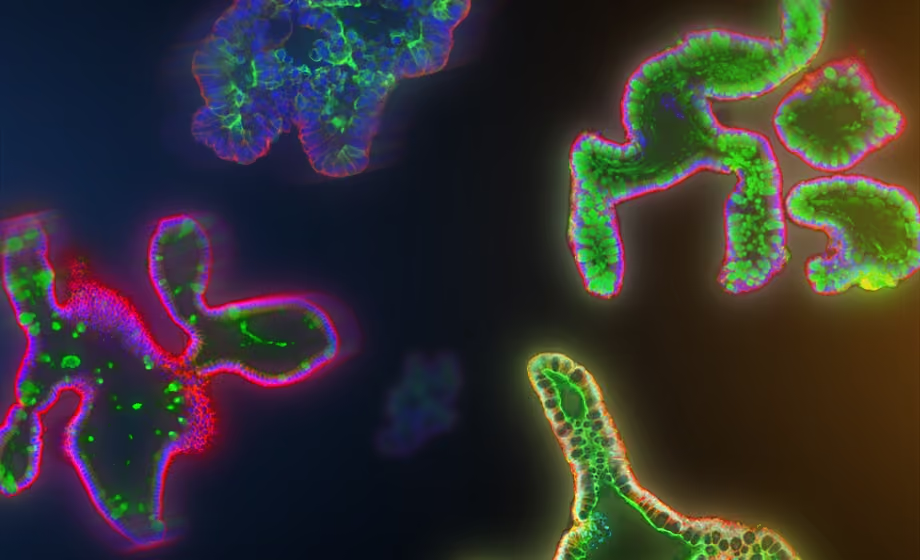
In this webinar, Chad Deisenroth introduces advances in a new approach method (NAM) for thyroid toxicity testing, with a focus on a human-relevant in vitro model (Human 3D Thyroid Microtissue) that enables direct assessment of thyroid hormone synthesis.
Attendees will gain insight into how this model addresses key limitations in traditional testing strategies by improving biological relevance, reproducibility, and scalability. The session also highlights how recent validation efforts have strengthened confidence in this approach, supporting its application in screening workflows for endocrine-disrupting chemicals.
Featuring Insights from

Chad Deisenroth
PhD
Dr. Chad Deisenroth is a Principal Laboratory Toxicologist in the Center for Chemical Informatics and Screening at UL Research Institutes' Chemical Insights. He earned his Ph.D. in Genetics and Molecular Biology from the University of North Carolina at Chapel Hill and completed postdoctoral training in chemical safety sciences at The Hamner Institutes for Health Sciences.
Sponsored by
LifeNet Health LifeSciences
In Partnership with
Scientist.com
Scientist.com is the world’s largest and first platform built for the intricacies of scientific outsourcing.
We help pharmaceutical and biotechnology organizations discover, engage, manage, and scale relationships with the providers that support every stage of the pipeline—from discovery and preclinical research to clinical development, manufacturing, medical affairs, and commercialization. Through a centralized platform, organizations can access a global network of 6,000+ providers, streamline sourcing and procurement workflows, maintain compliance, manage supplier relationships, and leverage data-driven insights to make faster, more informed decisions.
Today, Scientist.com supports more than 130 life science organizations, including 24 of the world's top 30 pharmaceutical companies, helping teams reduce operational complexity, accelerate timelines, and bring innovations to patients faster. Our mission is to make it possible to cure all human disease by 2050.









.avif)