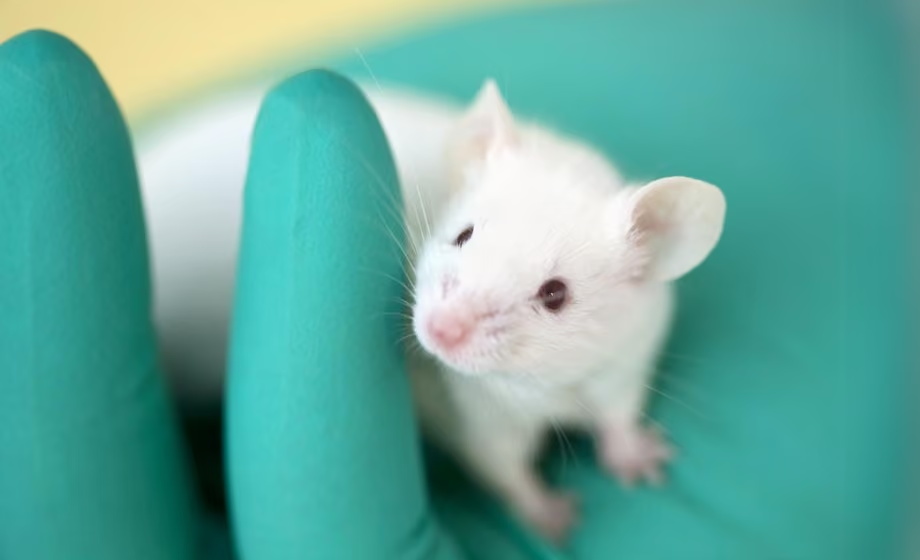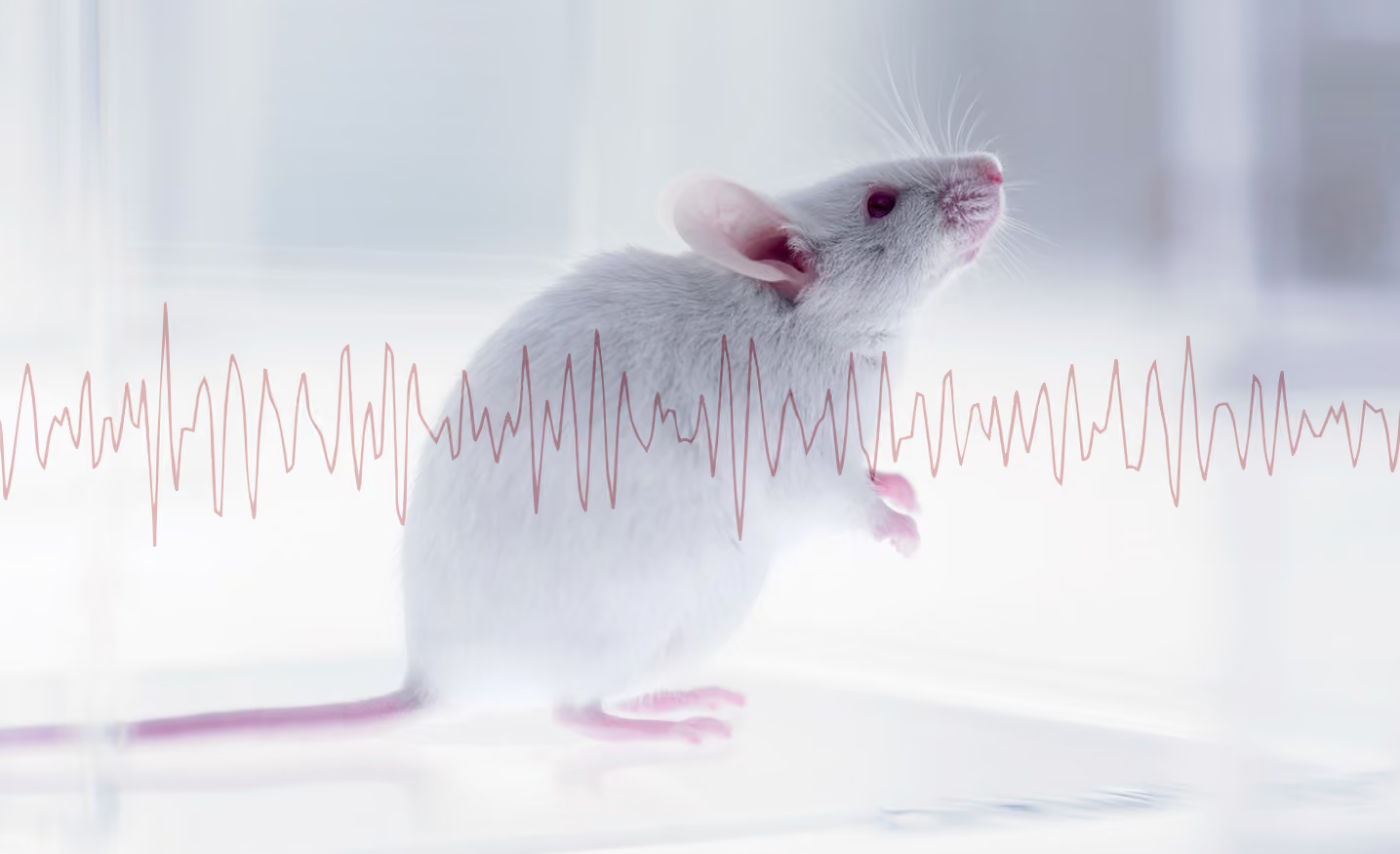
Experts demonstrate implantation procedure and present case studies highlighting the use of DSI small animal EEG telemetry for measuring REM and non-REM sleep in rats, and hippocampal theta oscillations in a mouse model of Alzheimer's.
In this webinar, sponsored by Data Sciences International (DSI), Dr. Marco Weiergräber and Dr. Jennifer Teske discuss methodology and application of DSI telemetry in small animal models. By way of case study, each presents procedure, best-practices and shares experimental results in hopes to demonstrate the novel application of complimentary technologies for measuring neuronal activity.
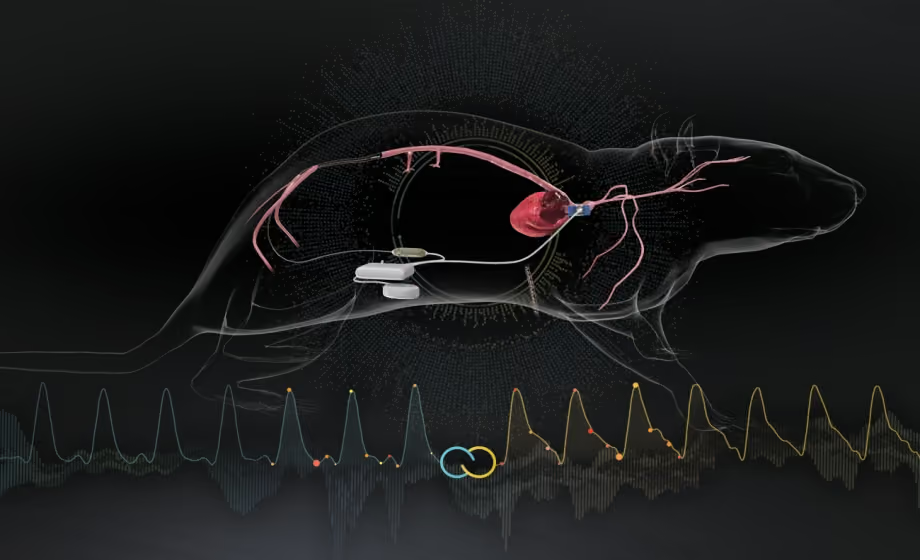
Specifically, Dr. Weiergräber presents implantation process for the F20-EET and HD-XO2 transmitters, including pre-, intra- and postoperative specifics that drive successful surgery and recordings. Furthermore, he illustrates how to perform simultaneous video-EEG recordings and how to prepare for downstream analysis of spontaneous and pharmacologically-induced hippocampal theta oscillations. Dr. Weiergräber describes analysis of theta activity and presents a self-made automatic detection system for highly organized theta oscillations.
Following, Dr. Jennifer Teske presents how DSI telemetry can used to determine energy efficiency of non-REM and REM sleep, and how telemetry can be combined with metabolic systems to quantify components of energy expenditure and movement in rodents. Specifically, she discusses experimental procedure for successful telemeter implantation and integration of DSI hardware with metabolic systems. She shares data collected using DSI's F40-EET telemetry implant while concurrently measuring sleep, physical activity, feeding and energy expenditure using a Promethion Metabolic system, and shows how to calculate energy efficiency for non-REM and REM s
Featuring Insights from

Marco Weiergräber
MD, PhD
Dr. Marco Weiergräber works at BfArM [Federal Institute for Drugs and Medical Devices] in Bonn, Germany and is the Director of the Neuropsychopharmakologie research group. Dr. Weiergräber aims to identify and validate electrophysiological biomarkers of Alzheimer’s that can be detected earlier than histopathological or biochemical CSF analysis. Most recently he has employed the new DSI HD-X02 implant to view gamma EEG waves, investigating specific electrical signatures that may be important indicators of Alzheimers Disease onset. To learn more about the research his group is conducting, please visit the BfArM Neuropsychopharmakologie Projects page.
Jennifer A. Teske
PhD
Dr. Jennifer Teske studies the neural mechanisms and dietary factors regulating weight gain associated with abnormal sleep in rodent models. While her primary goal is to quantify the energetic cost and temporal relationship between bouts of sleep, physical activity and feeding, establishing the therapeutic efficacy of centrally administered orexin on body weight gain is paramount. These studies are performed by concurrently measuring sleep, physical activity, feeding and energy expenditure in free-living rodents in vivo with DSI’s F40-EET telemetry implant among other metabolic research tools.
Sponsored by

Data Sciences International