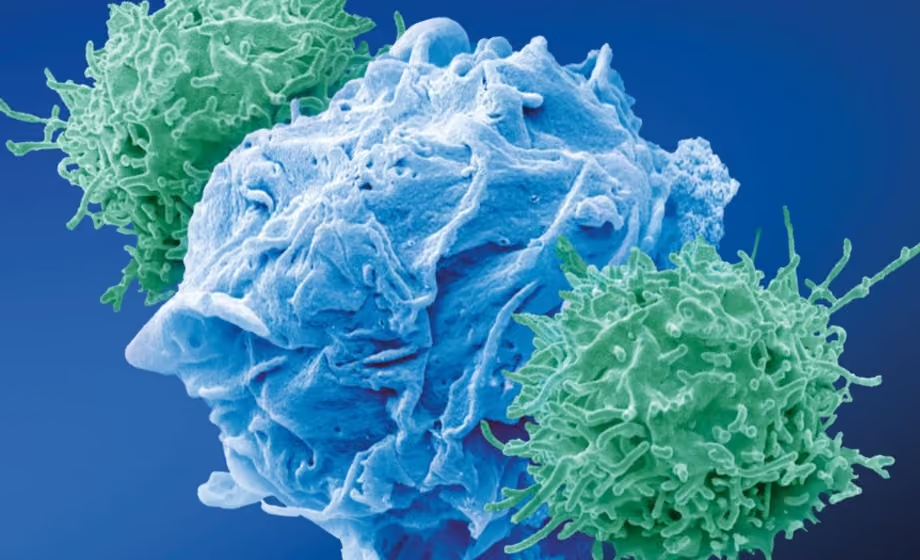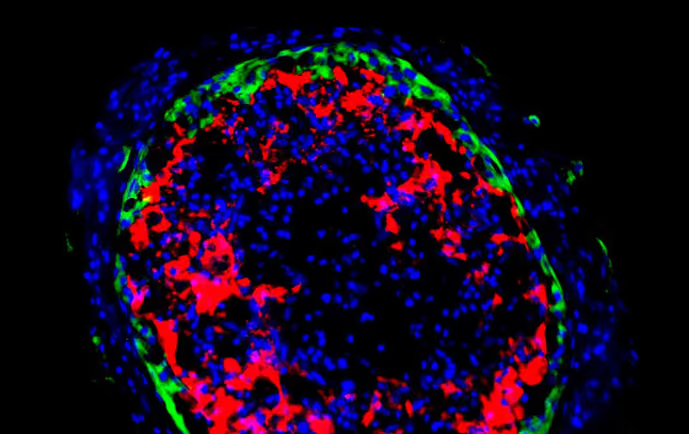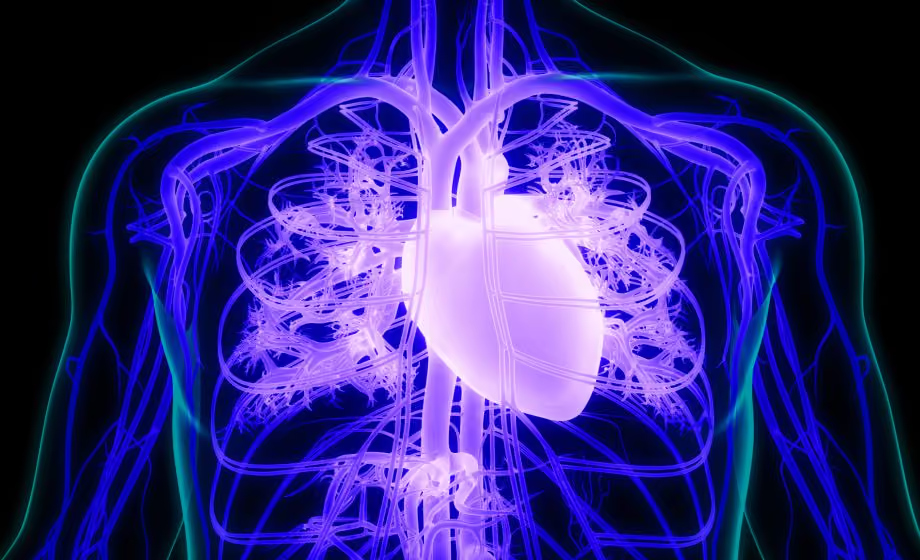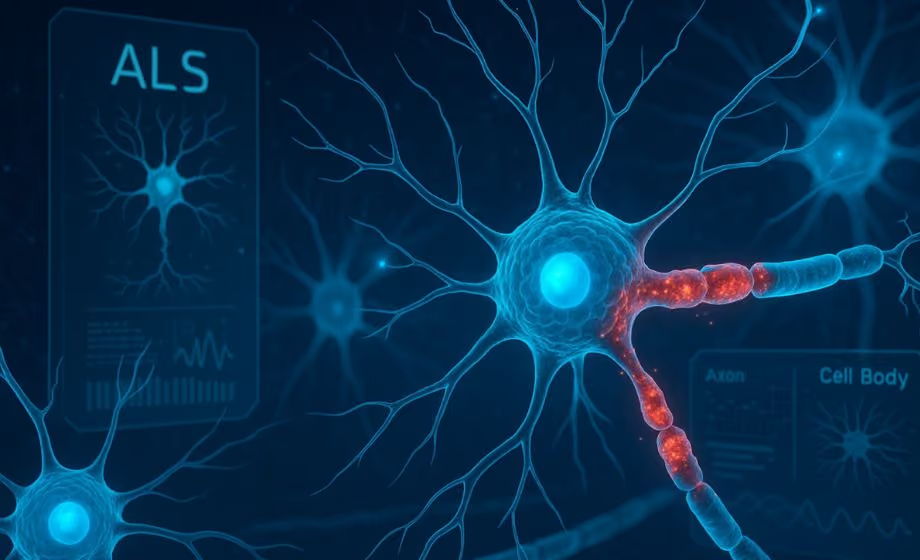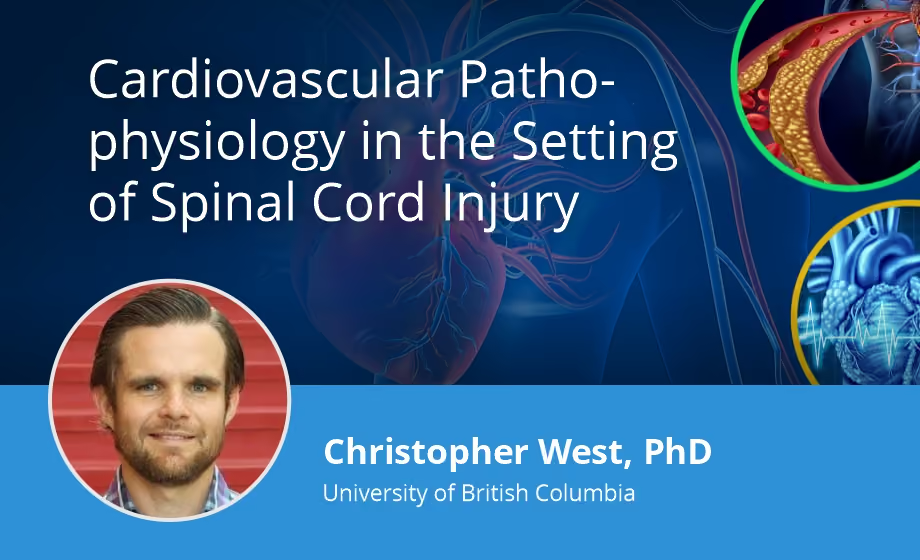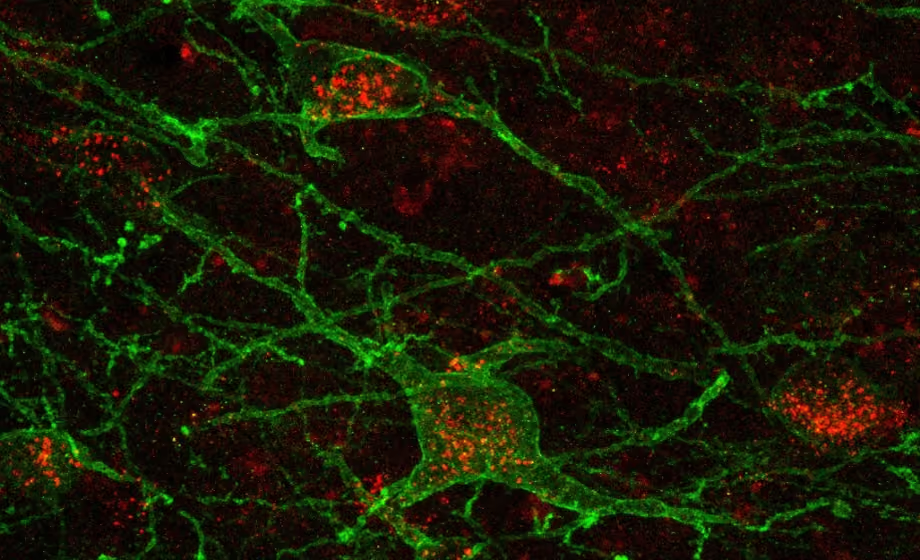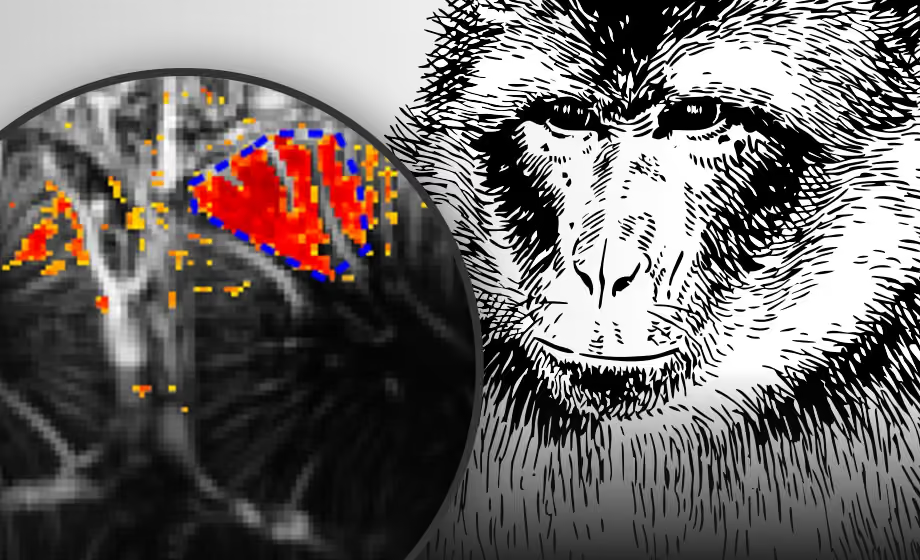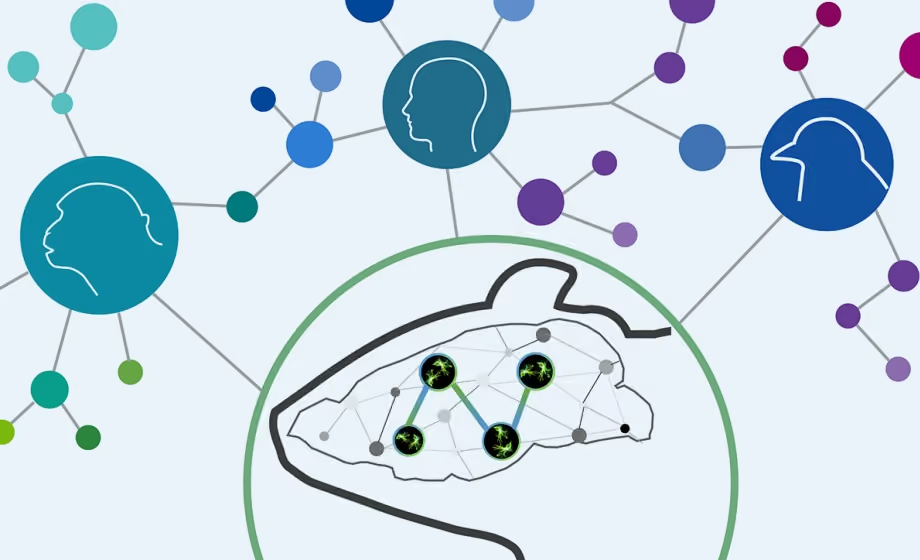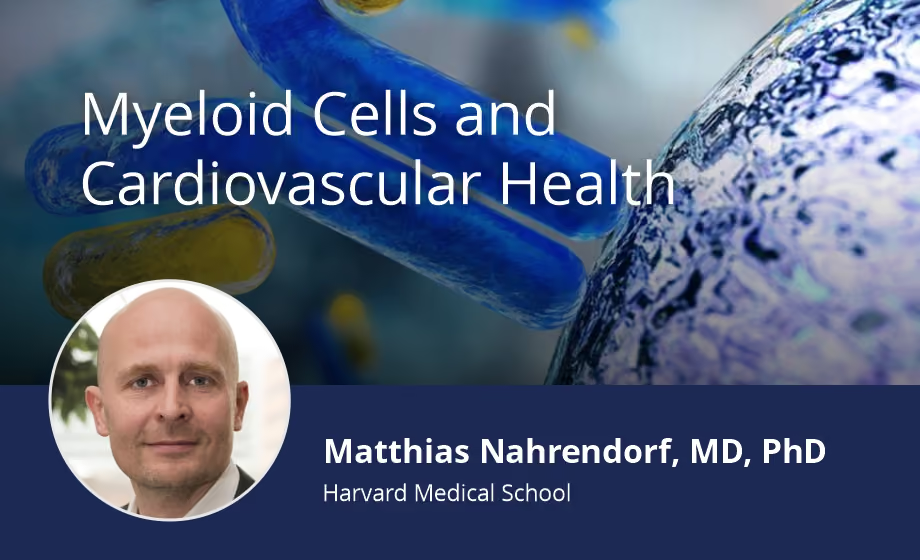
Monocytes and macrophages are innate immune cells that reside and accumulate in atherosclerotic lesions but also in the healthy and injured heart and brain. The cells and their subsets pursue distinct functions in steady state and disease, and their tenure may range between hours to months. Some subsets are highly inflammatory, while others support tissue repair.
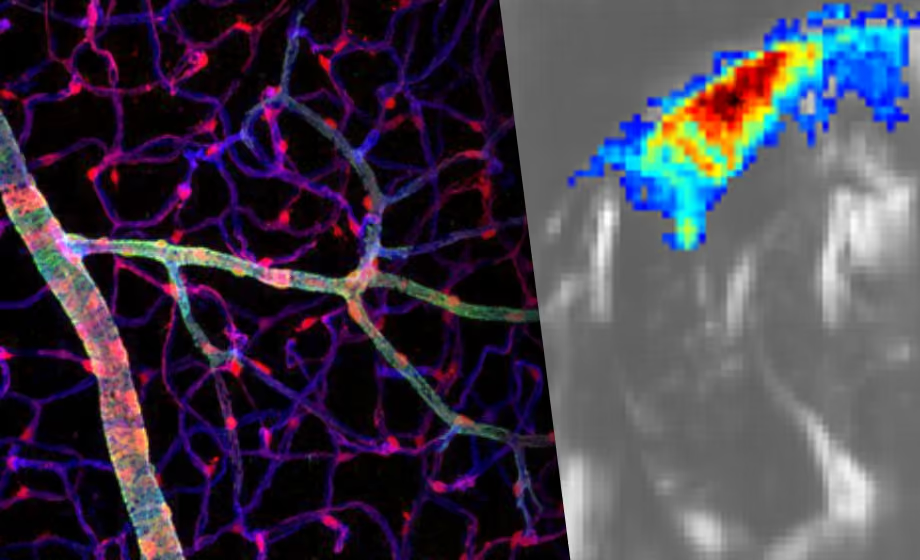
In this webinar, Dr. Matthias Nahrendorf discusses current concepts of cell supply by the hematopoietic system, lineage relationships and systems' cross talk, highlights open questions, and describes imaging tools for studying monocytes, macrophages and their progenitors.
Featuring Insights from

Matthias Nahrendorf
MD, PhD
Matthias Nahrendorf, MD PhD, is the Richard Moerschner Endowed Chair at the MGH Research Institute, a Professor for Radiology at Harvard Medical School and a Principal Investigator at the MGH Center for Systems Biology. He also directs the Mouse Imaging Program at MGH. His laboratory focuses on the role of immunity in cardiovascular disease, specifically in atherosclerosis and heart failure. The lab described that after myocardial infarction, the spleen releases a large population of leukocytes that travel to the ischemic heart (Science 2009). Further, his team found that after myocardial infarction, increased sympathetic nerve activity modulates the hematopoietic stem cell niche, activating migration and proliferation of myeloid progenitor cells. This, in turn, accelerated the progression of atherosclerosis (Nature 2012), possibly explaining why secondary infarcts are so common in patients. The laboratory develops and employs imaging approaches to sample biology non-invasively, using MR, nuclear, optical and hybrid imaging. Dr. Nahrendorf is an editorial board member of JACC, Circ Res, European Heart Journal, ATVB, Circulation, Science Translational Medicine, and The Journal of Nuclear Medicine. He was the Chair of the 2017 Atherosclerosis Gordon Conference. He published ~300 articles with an H-index of 94. Dr Nahrendorf received the MGH Research Scholar prize in 2014 and the Basic Research Award of the German Society of Cardiology in 2015.
In Partnership with
American Physiological Society
Founded in 1887, the American Physiological Society is a global leader in expanding knowledge related to biological function. We connect a multidisciplinary community of nearly 10,000 scientists and educators from around the world, driving collaboration and spotlighting scientific discoveries in physiology and related disciplines. Our members are advancing treatments and cures for everything from cancer and heart disease, to obesity and addiction. They are also deepening our insight into living organisms generally, helping us to better understand how things like climate change are affecting the world around us.
Autoimmune Association
How we do it?
The Autoimmune Association office is in Eastpointe, Michigan just outside of Detroit. We are a small, dedicated team and we work hard to achieve our mission. Every patient matters to us. Every donation is treated with the utmost respect, and we greatly appreciate contributions in every size and shape.
Our office space was once a physician’s office. Where patients once were treated, we now work to ensure autoimmune patients have the resources and knowledge for their own treatments as well as advance awareness and research into autoimmune diseases.- We help autoimmune disease patients all over the world by connecting them to resources and information
- We hold awareness walks around the country throughout the year
- Our Facebook page has the latest on research and other autoimmune disease news
Ask anyone with an autoimmune disease, and they will tell you how frustrating it is.
With over a hundred autoimmune diseases, impacting approximately one in five people, you more than likely know several people fighting against one or more autoimmune disease. Right from the beginning when trying to get a diagnosis, patients can often be seen by multiple doctors and specialists over the course of several years before starting treatment and getting relief from their disease. Then comes the battle of fighting a chronic illness, and the costs associated with adequate care. This is unacceptable. The Autoimmune Association’s goal is to increase research by scientists for better advancements in the autoimmunity field, and to increase awareness of autoimmune diseases themselves, so that diagnoses are made quicker. Visit autoimmune.org to learn more and donate to the cause