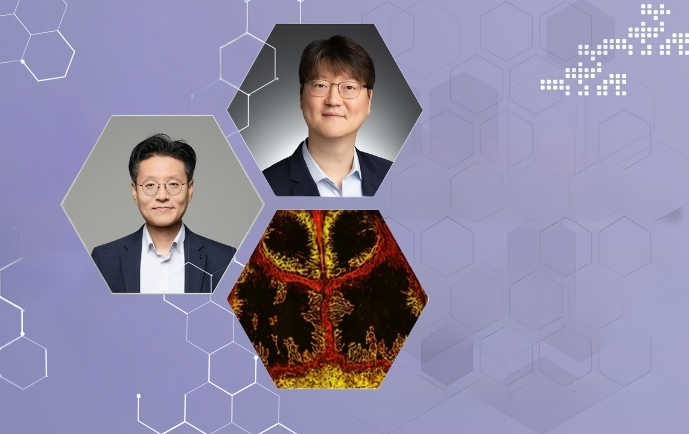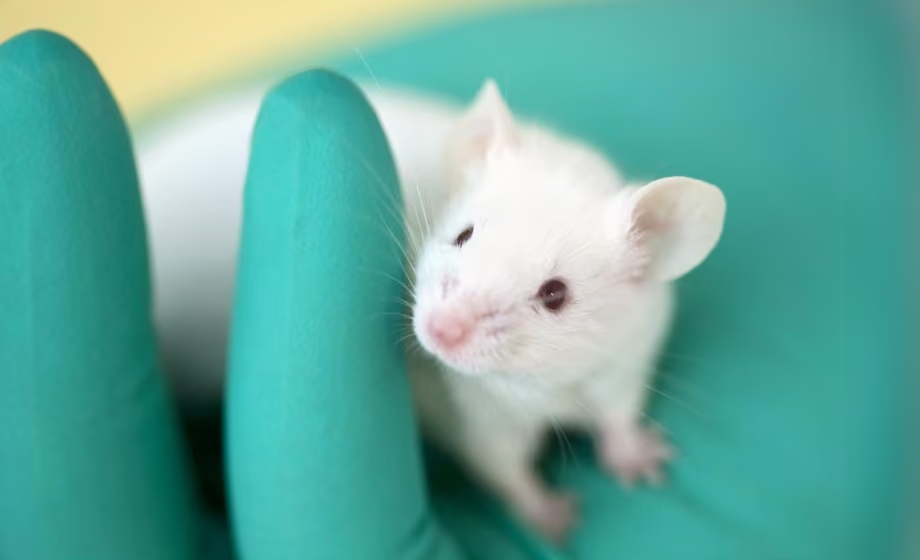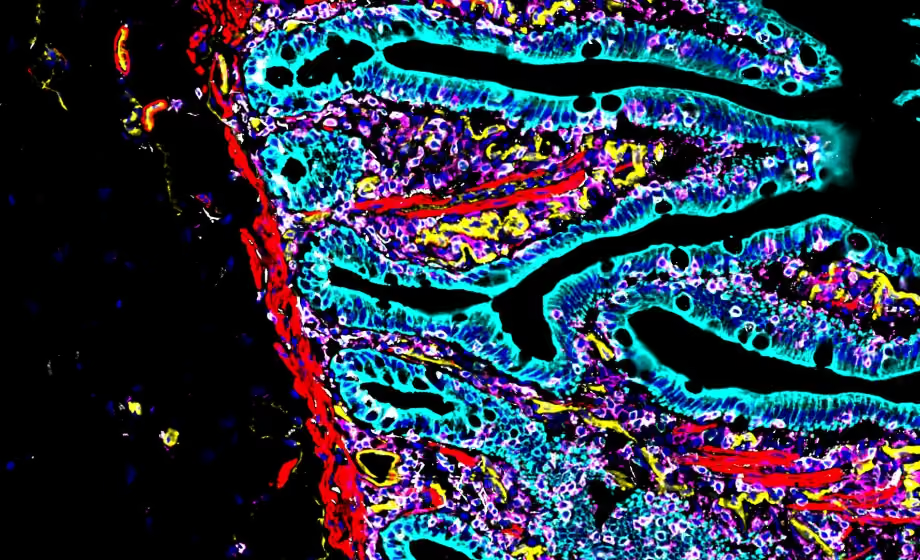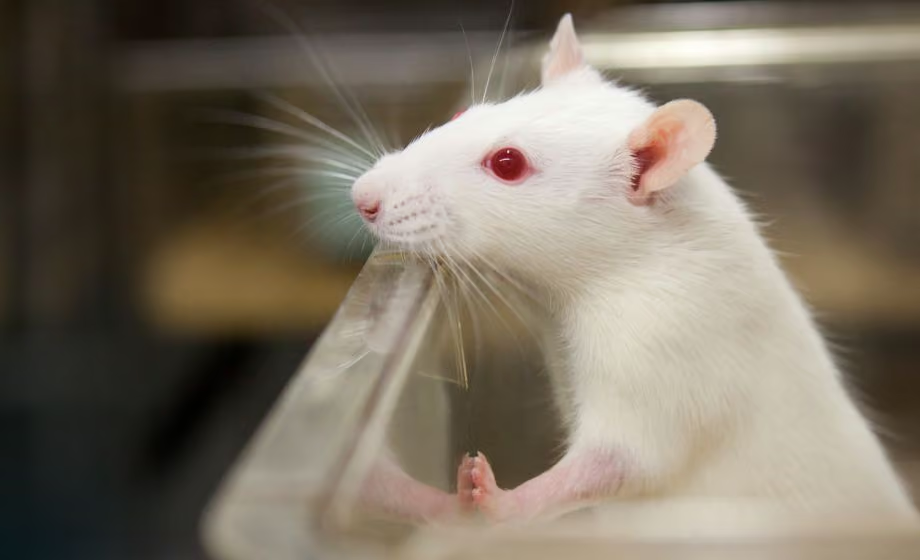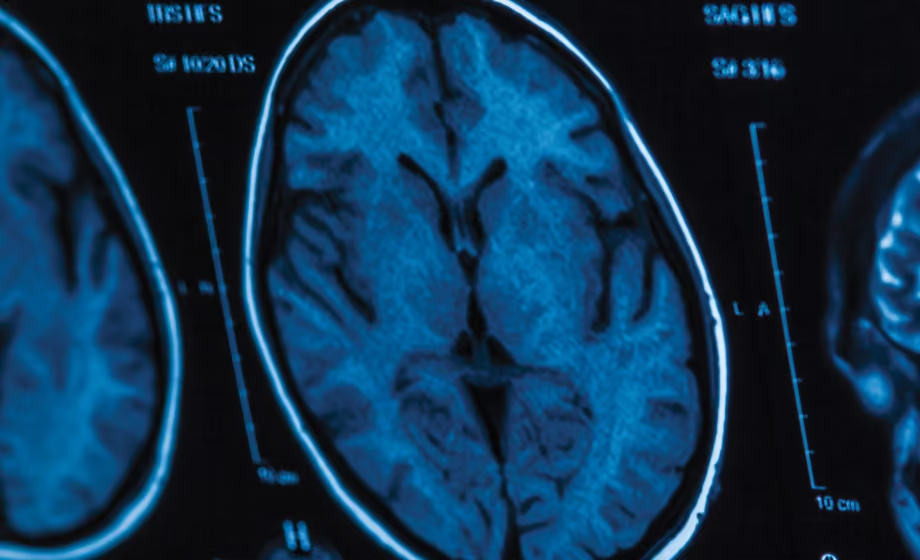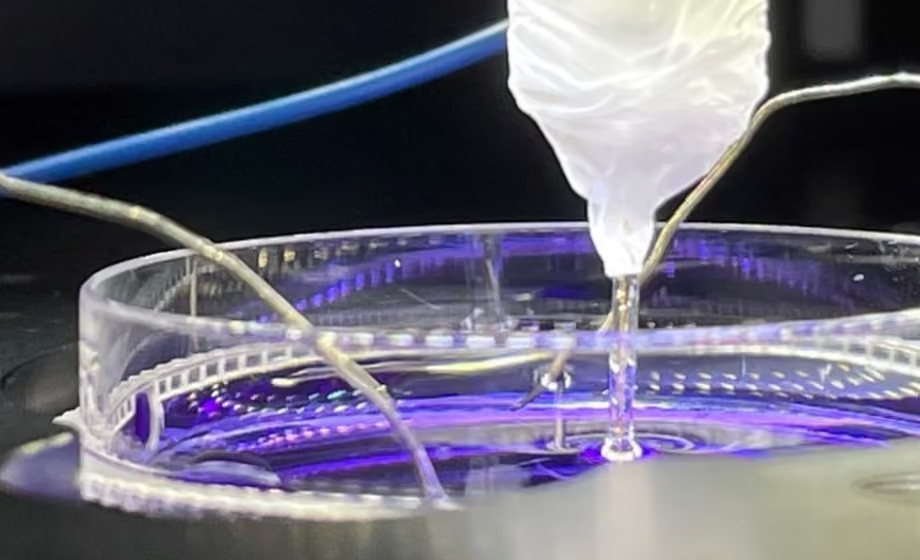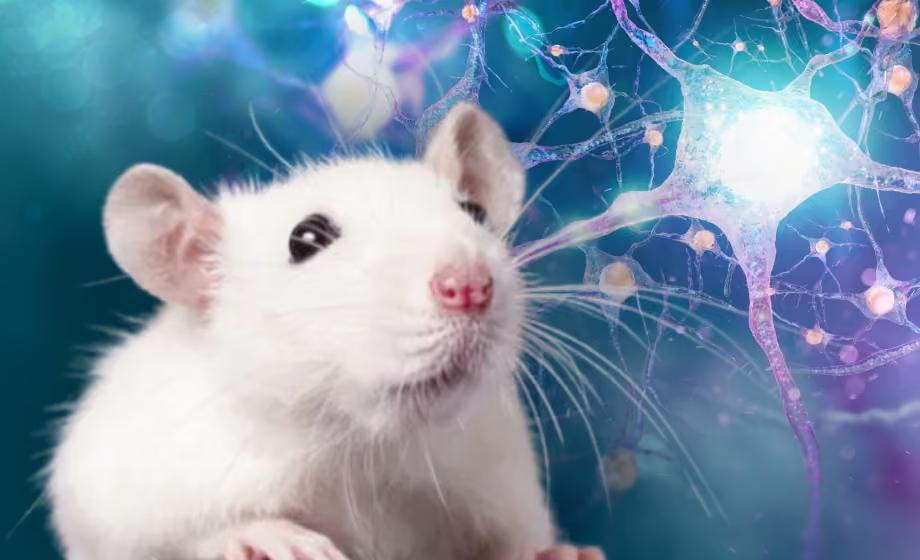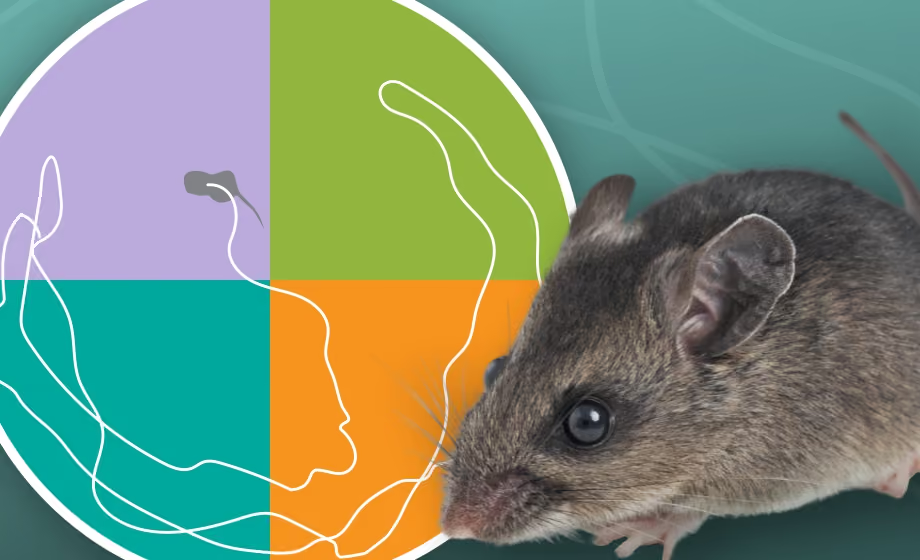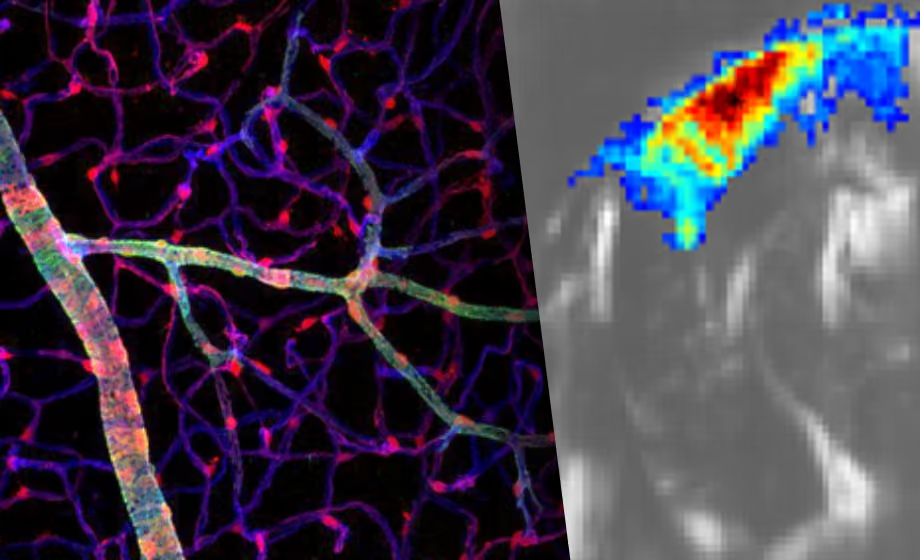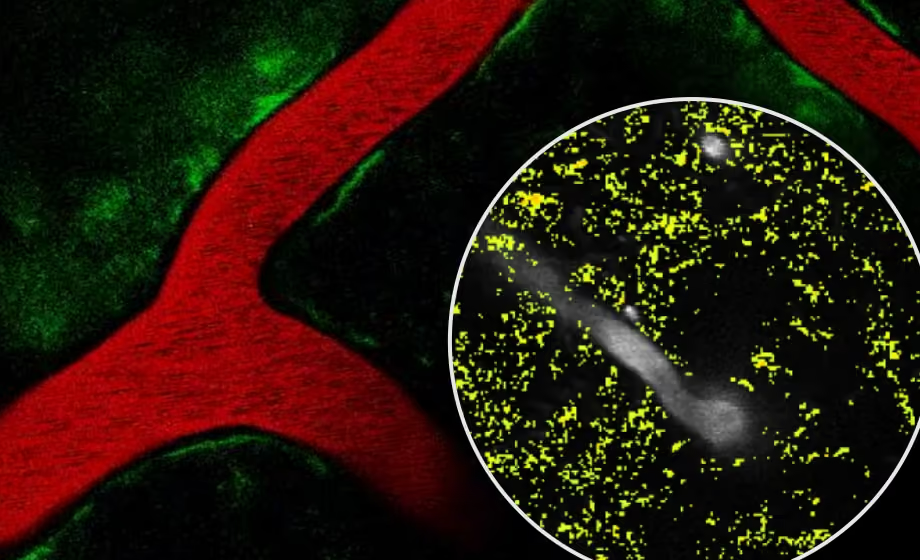
Join Dr. Barbara Lind and Dr. Adrián Rodríguez-Contreras as they discuss neurovascular coupling in awake head-fixed and anesthetized mice, with a focus on the effects of anesthetics.
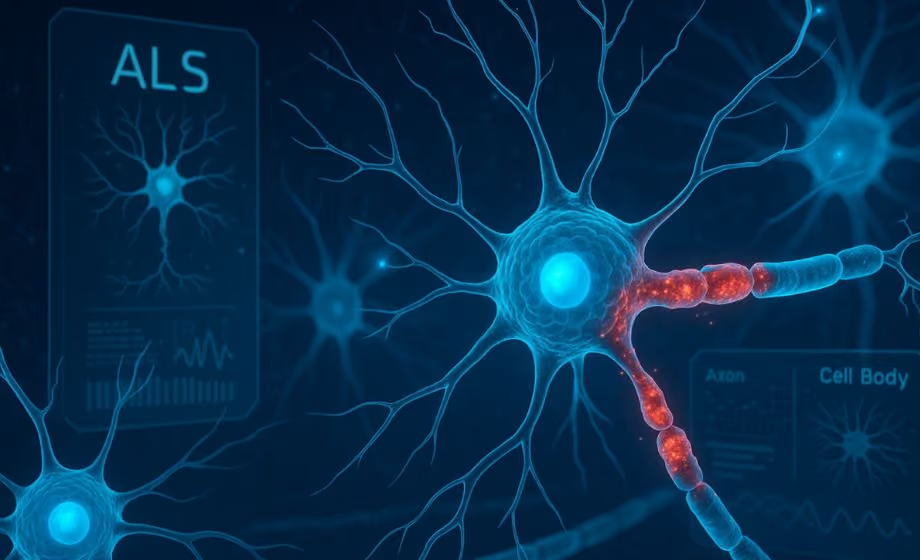
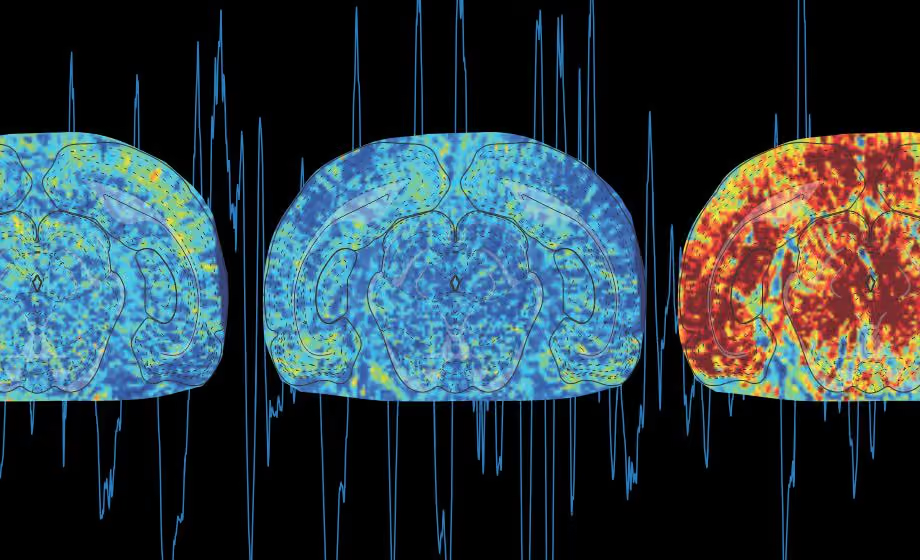
Neurovascular coupling (NVC) modulates cerebral blood flow to match increased metabolic demand during neuronal excitation. While we know that astrocyte calcium levels rise with excitatory neurotransmission, much less is understood about astrocytic sensitivity to inhibitory neurotransmission. In addition, general anesthetics, widely used in both clinical practice and preclinical research, have been shown to cause large disruptions in cerebral blood flow, brain metabolism, NVC, and functional connectivity. This suggests that they may have direct and indirect effects on the physiology of cerebrovascular endothelial cells (CEC).
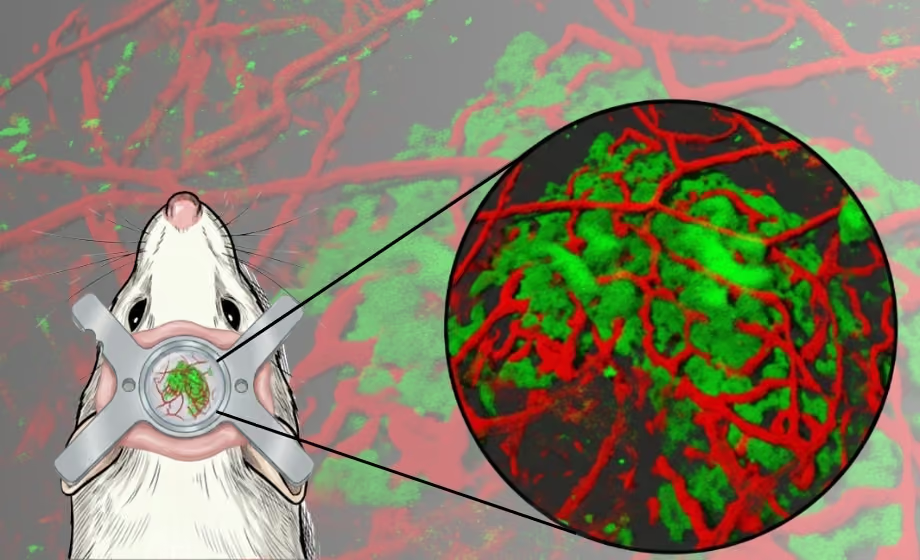
In this webinar, Dr. Barbara Lind (Assistant Professor at the University of Copenhagen) and Dr. Adrián Rodríguez-Contreras (Associate Professor at Northwestern University) try to fill some of our knowledge gaps concerning NVC. Their insights stem from recent two-photon imaging and optogenetics studies performed in awake head-fixed and anesthetized mice. The presentations will elucidate the roles of astrocytes, interneurons, CECs, and calcium signaling in vivo, and specifically the effects of anesthesia on NVC.
Featuring Insights from

Adrián Rodríguez-Contreras
Ph.D.
Adrián Rodríguez-Contreras is an Associate Professor and director of the Auditory Development Laboratory at the Roxelyn and Richard Pepper Department of Communication Sciences and Disorders in the School of Communication, Northwestern University.
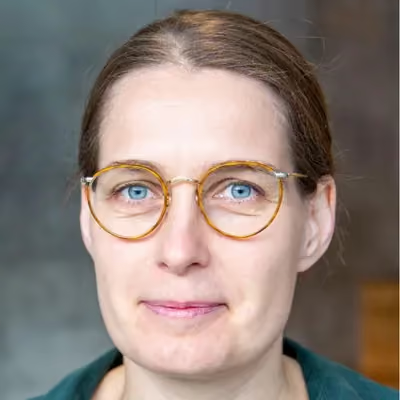
Barbara Lykke Lind
PhD
Assist. Prof. Barbara Lykke Lind has recently set up her own lab in the Department of Neuroscience at the University of Copenhagen. In recent years she has worked on a project on astrocytic responses and blood flow regulation in the cortex of mice with chronically implanted cranial windows.
Sponsored by