Join Dr. Chris Albanese and Dr. Olga Rodriguez for this webinar to discuss Ultrasound Photoacoustic Imaging (US-PAI) and how it can directly detect key liver disease markers.
Chronic diseases of the liver, including  liver steatosis and steatohepatitis, are associated with extensive fibrosis, which is typically performed by needle biopsy.
Current widely used imaging approaches for liver diagnosis exist but do not provide sufficient diagnostic accuracy for defining the various stages of fibrosis or steatosis.
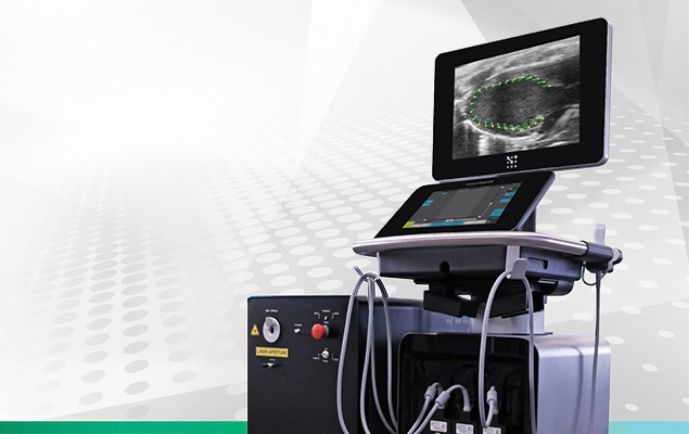
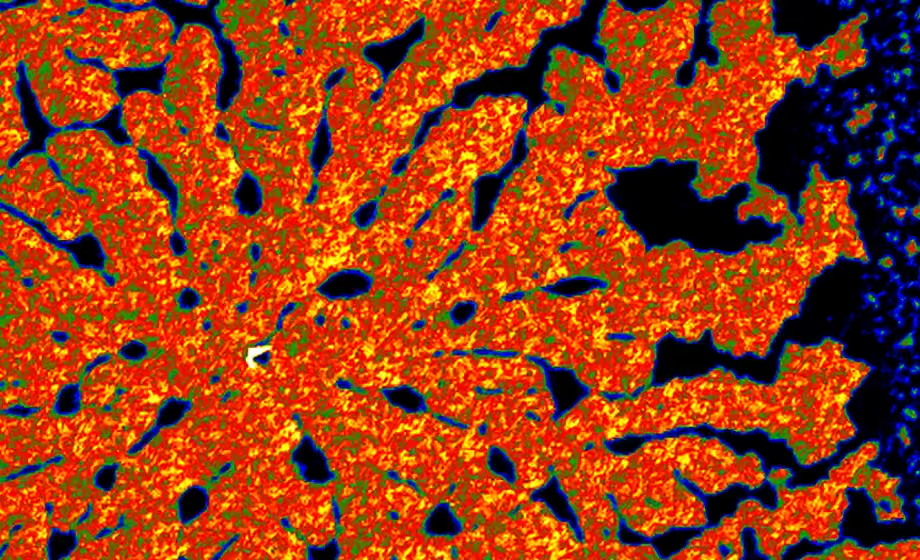
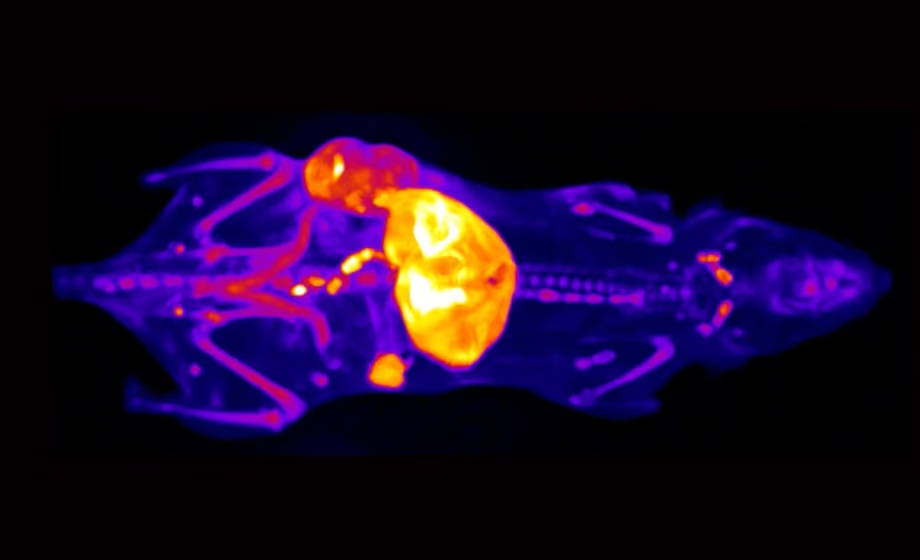
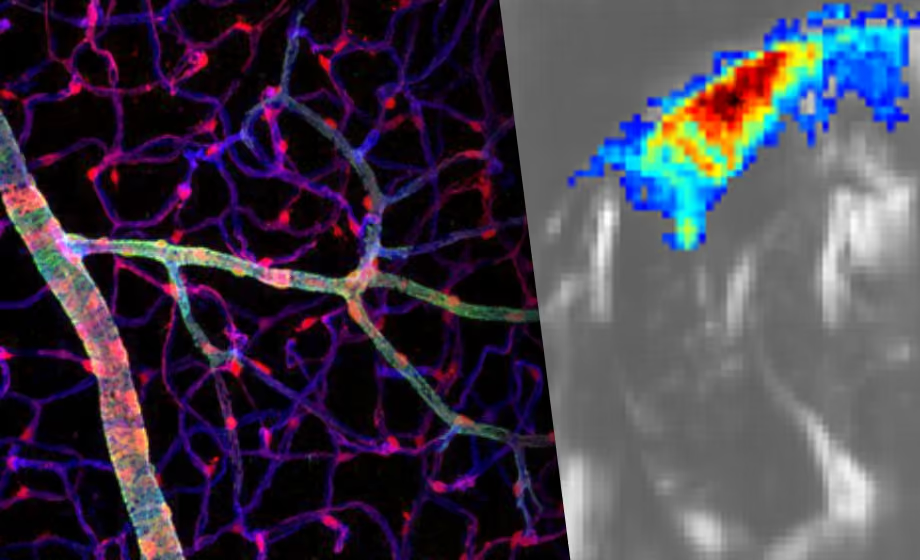
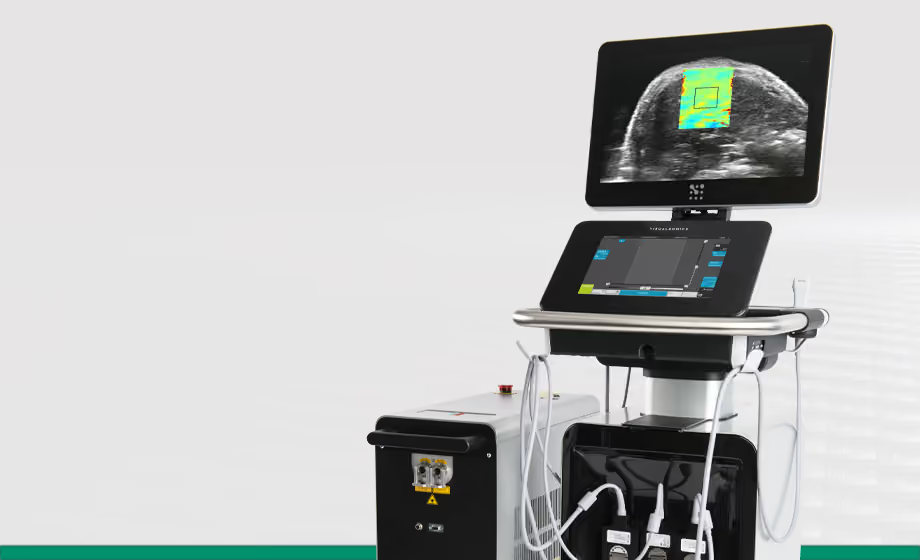
Ultrasound-based Photoacoustic Imaging (US-PAI) has recently emerged as a non-invasive, non-ionizing modality, capable of capturing structural details and oxygen saturation changes during disease progression. However, its potential for detecting surrogate MASLD markers, such as collagen and lipids, had not been investigated in detail.
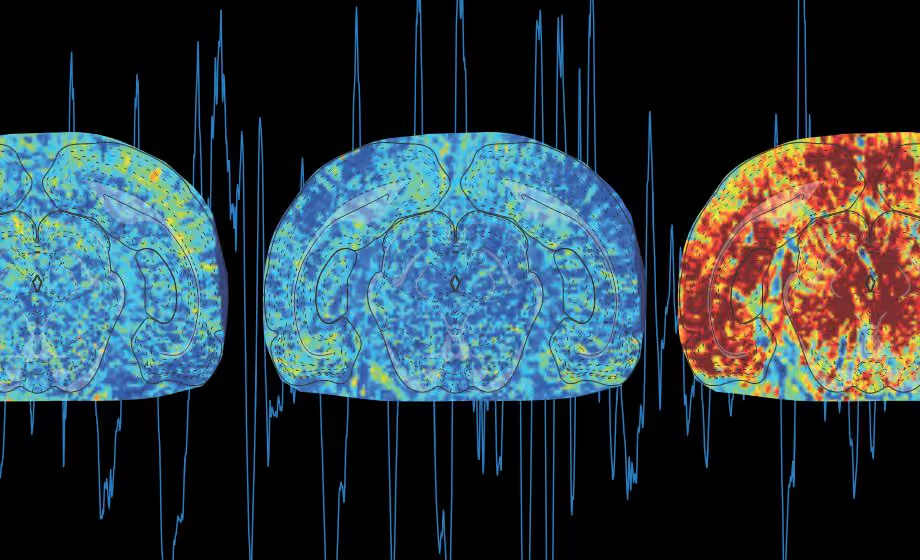
This study used innovative spectral photoacoustic imaging for the direct detection and quantification of key biomarkers of liver disease, such as fibrosis, collagen, lipids, oxygenated and deoxygenated hemoglobin, establishing that US-PAI, validated with MRI, effectively identified increases in liver adiposity and fibrosis in a preclinical model of liver disease.
Featuring Insights from
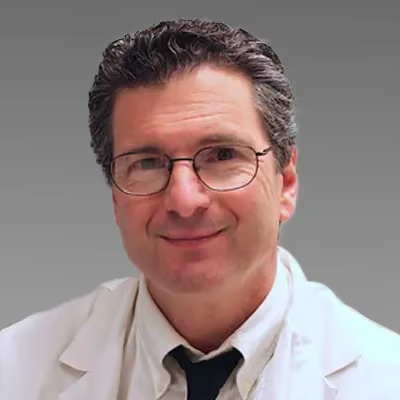
Chris Albanese
PhD
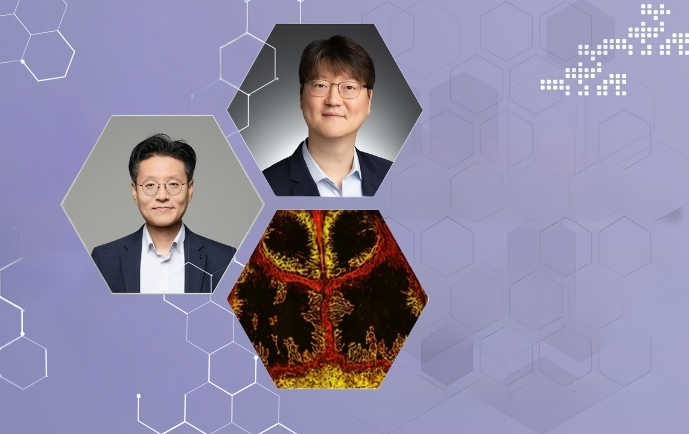
Dr. Albanese's research focuses on the role of oncogenes and tumor suppressor proteins in the induction and maintenance of gentinourinary and other cancers, including malignancies of the GI track and brain. At Lombardi, Dr. Albanese is continuing programmatic development of novel preclincial models of human diseases, and the development of high-energy imaging technologies.
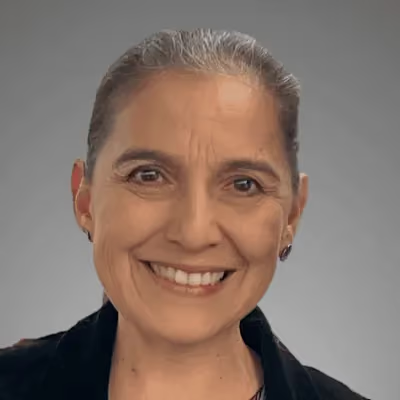
Olga Rodriguez
MD, PhD
Dr. Olga Rodriguez, Associate Professor in the Department of Oncology, is the co-founder and co-director of both the Georgetown-Lombardi Preclinical Imaging Research Laboratory (PIRL) and the Center for Translational Imaging. Dr. Rodriguez is involved in several collaborative projects that include MR contrast agent development, applications of MRI in traumatic brain and spinal cord injury, adult and childhood cancers, stroke, epilepsy, as well as kidney and liver disease.
Sponsored by