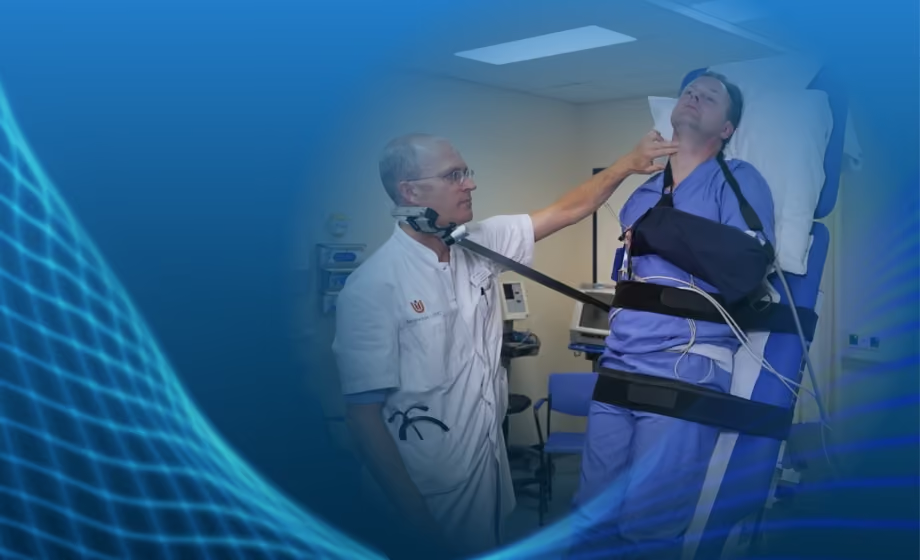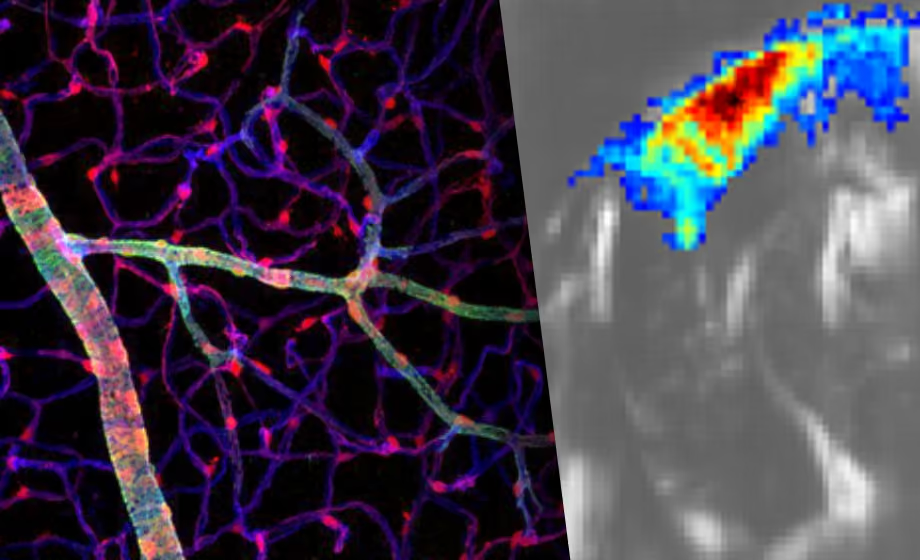
Dr. Bert Bond and Max Weston present an overview on their study investigating the effects high-intensity interval exercise has on cerebrovascular health.
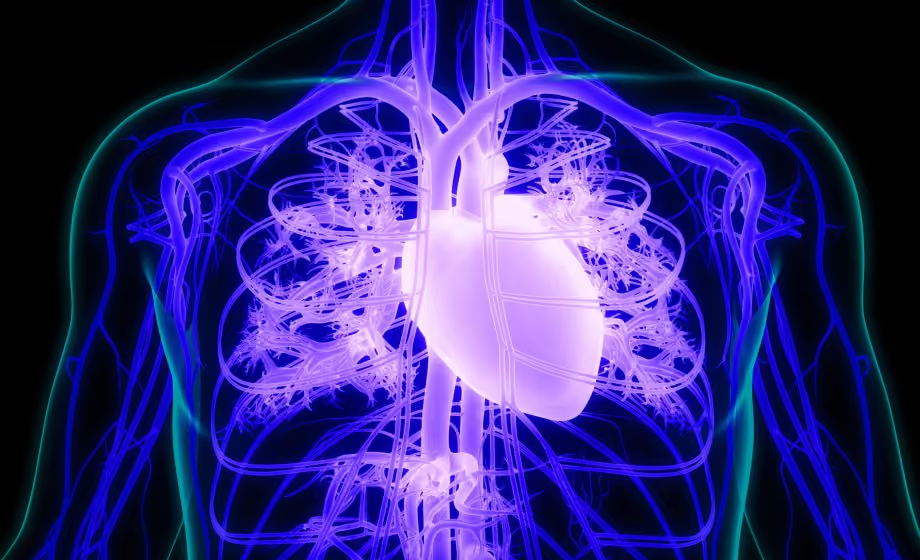
Physical activity reduces the risk of developing cardiovascular diseases (CVD) and dementia. This benefit cannot be explained by changes in traditional CVD risk factors alone, and direct improvements in vascular health are thought to play a key role. However, our understanding of how exercise can be optimized for improvements in blood-vessel health is limited.
High-intensity interval exercise (HIIE) is known to improve peripheral vascular function, and there is a growing interest in the effects of HIIE on cerebrovascular health. However, it is not clear whether the acute improvements in peripheral vascular function following HIIE are also seen in the major blood-vessels of the brain.
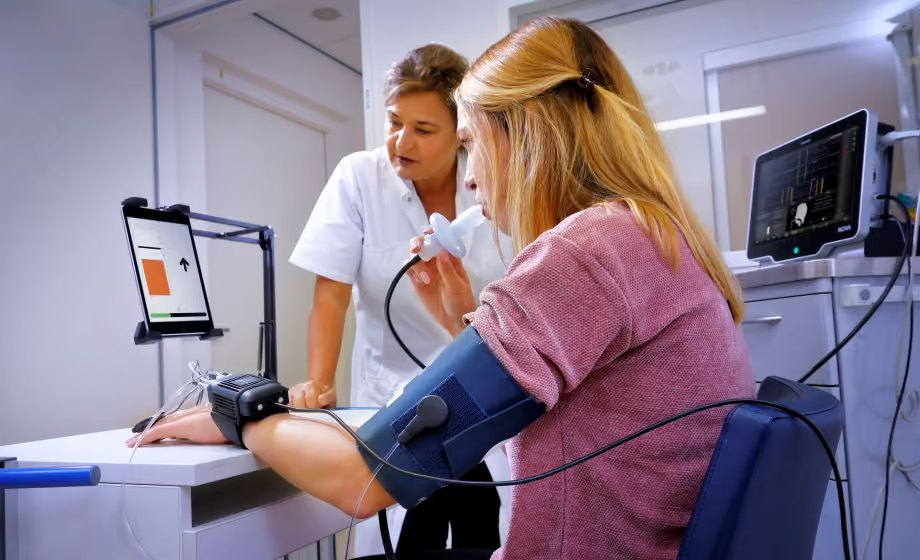
In the Bond lab's study, 30 minutes of HIIE completed at both 75% and 90% VÃáO2max improved peripheral vascular function 1 and 3h following exercise in healthy young adults, compared with work-matched continuous moderate-intensity exercise and a sedentary control condition. By contrast, cerebrovascular function was unchanged following all conditions. This is the first study to identify that acute improvements in peripheral vascular function following high-intensity interval exercise are not mirrored by improvements in cerebrovascular function in healthy young adults.
Featuring Insights from

Bert Bond
PhD
Bert Bond's research focuses on understanding how lifestyle exposures (such as exercise, nutrition, sleep and head impacts) influence parameters of cardiometabolic and vascular health across the lifespan. This involves performing a range of innovative techniques (notably vascular ultrasound) across a range of populations.

Max Weston
PhD Candidate
Max Weston is an Associate Lecturer and PhD candidate in Sport & Health Sciences at the University of Exeter. His PhD is funded by the QUEX Institute, a collaboration between the University of Exeter (UK) and the University of Queensland (Australia), and focuses on the regulation of cerebral blood flow during exercise in children, adolescents and adults.
Sponsored by

ADInstruments
In Partnership with
American Physiological Society
Founded in 1887, the American Physiological Society is a global leader in expanding knowledge related to biological function. We connect a multidisciplinary community of nearly 10,000 scientists and educators from around the world, driving collaboration and spotlighting scientific discoveries in physiology and related disciplines. Our members are advancing treatments and cures for everything from cancer and heart disease, to obesity and addiction. They are also deepening our insight into living organisms generally, helping us to better understand how things like climate change are affecting the world around us.