Dr. Rachael Pearson explores how transplanting human stem cell-derived cone photoreceptors can functionally restore vision and light-evoked behavior in cases of advanced retinal degeneration.
Sight is frequently ranked our most precious sense, the one we fear losing the most. For patients with sight-loss of known genetic cause, gene therapy is beginning to offer significant promise. However, for most patients there is no treatment that can reverse blindness once photoreceptor degeneration has occurred. Photoreceptor replacement therapy, either as cell suspension or tissue grafts, offers the opportunity to restore sight by replacing lost cells and is gaining traction as a valid disease-agnostic therapeutic approach for the treatment of advanced retinal degeneration.
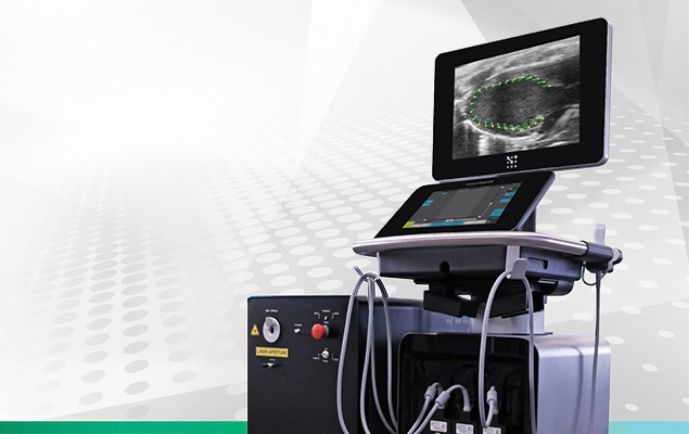
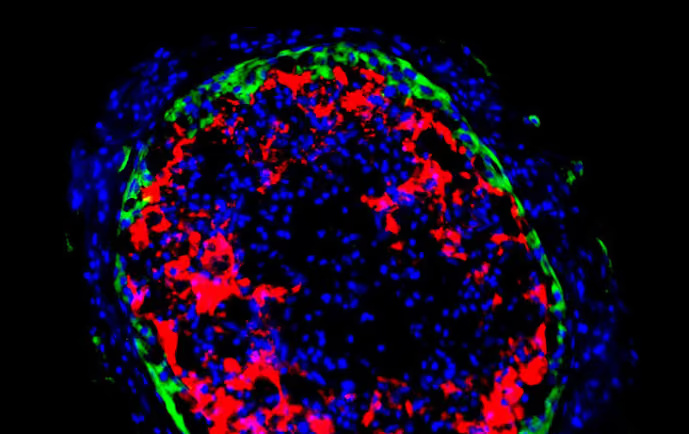
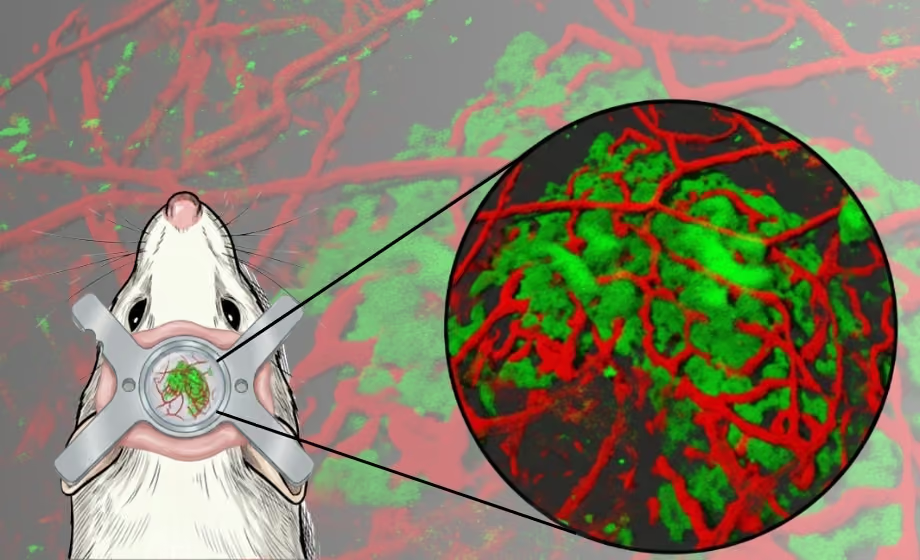
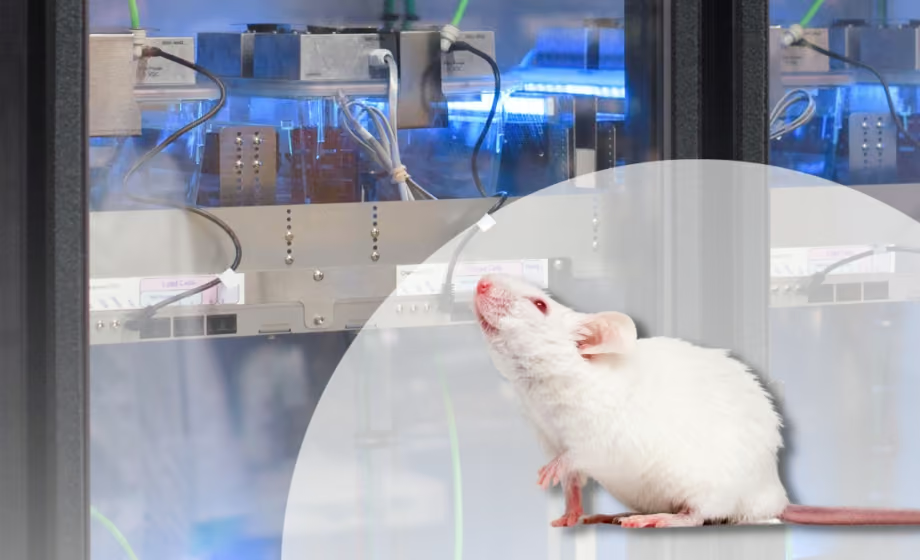
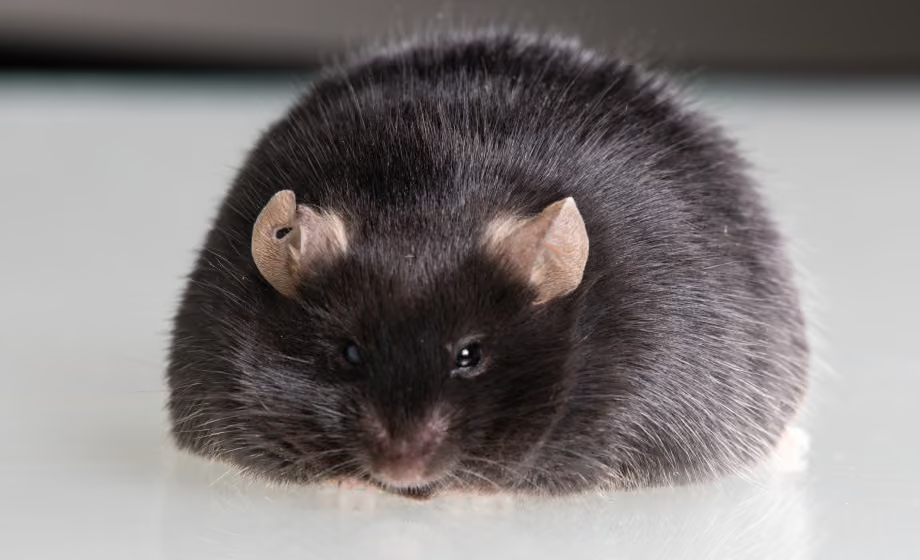
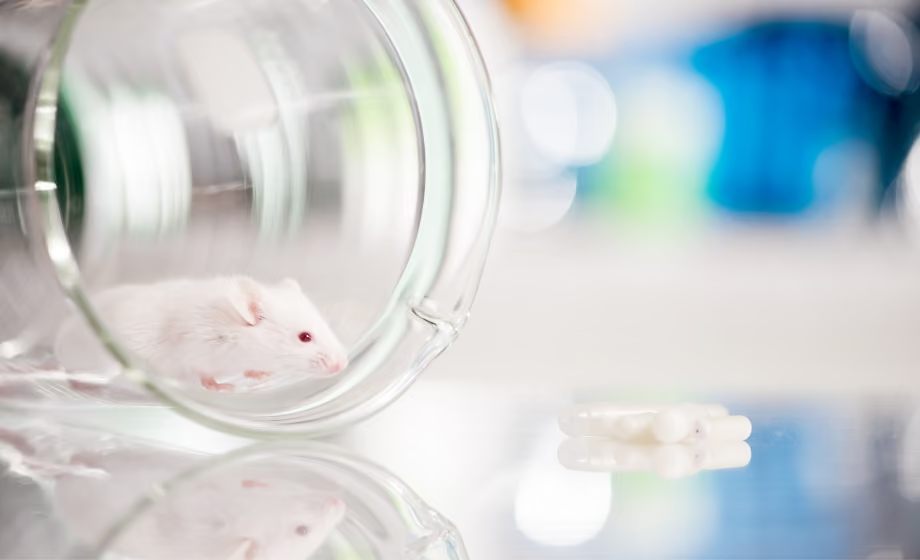
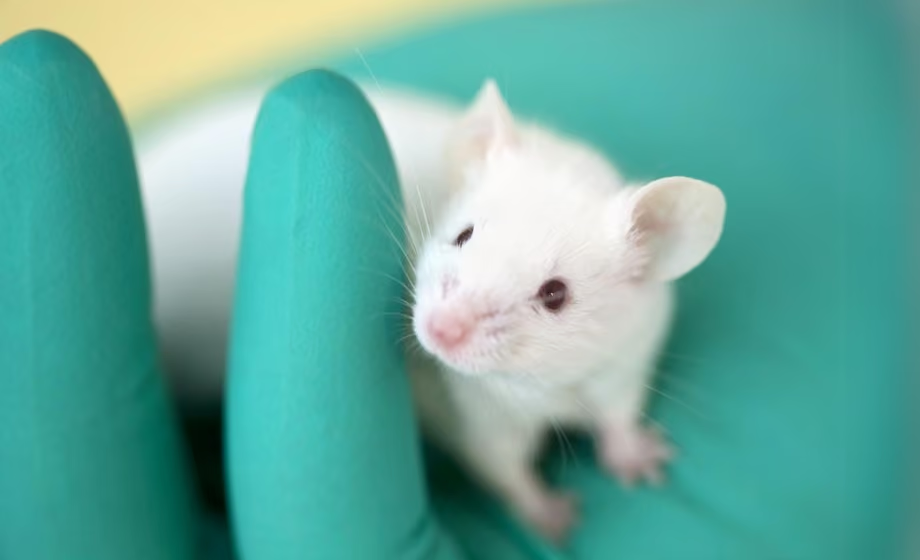
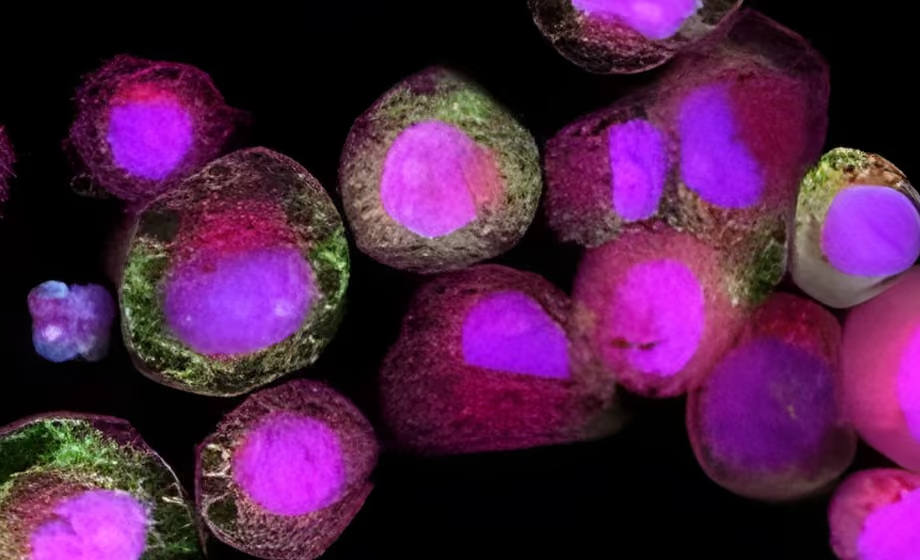
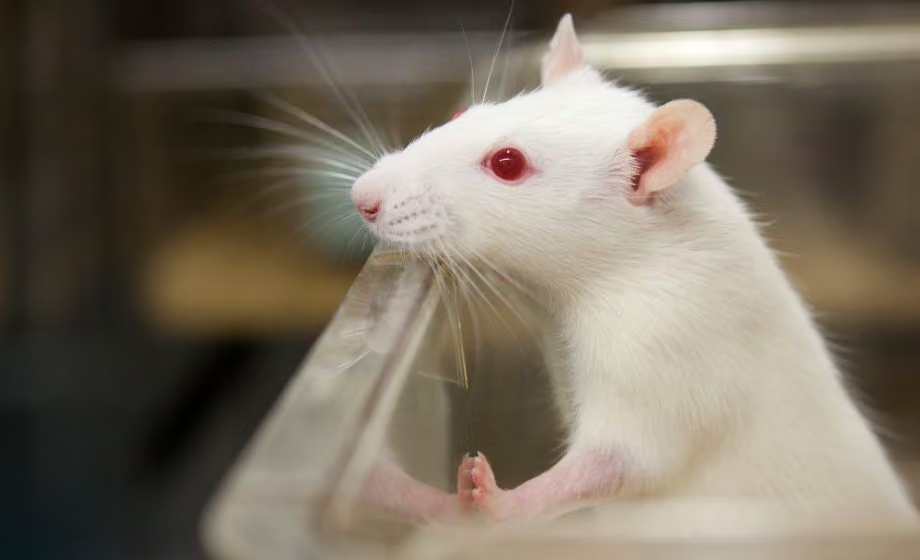
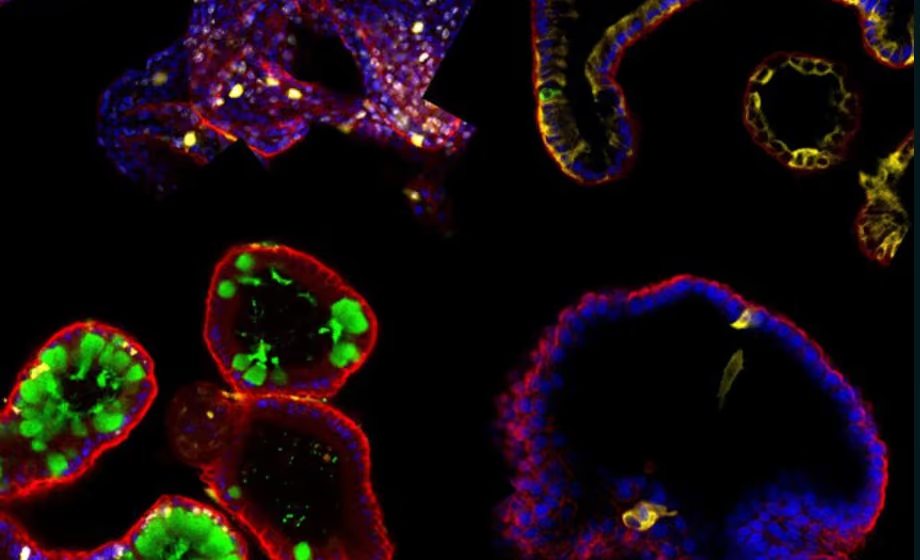
Pearson et al. have previously developed protocols for the generation of rod and cone photoreceptors from human pluripotent stem cells (hPSC) and here show that hPSC-derived cone photoreceptors can functionally integrate into two different mouse models of end stage disease. They show that the recipient retina undergoes significant remodelling in response to human cones and that the transplanted human cones can drive retinal function across a range of physiologically relevant light levels. Using Striatech's OptoDrum, Pearson et al. further show that transplanted animals also exhibit light-evoked optomotor head tracking behaviour. Together, these observations provide support for human cone transplantation as a disease-agnostic therapy for advanced retinal dystrophies.
Featuring Insights from

Rachael Pearson
PhD
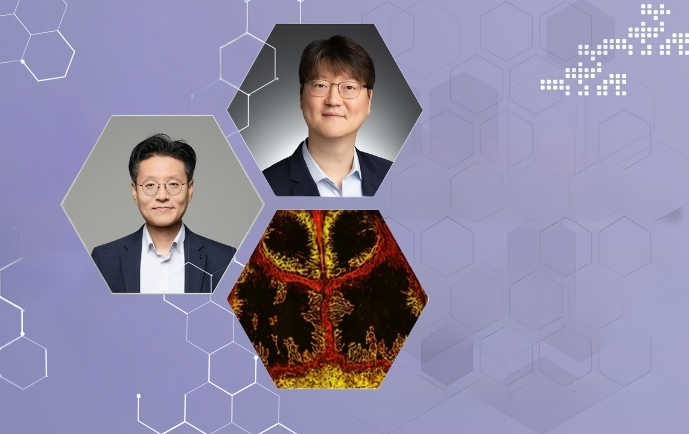
Rachael Pearson, PhD is Professor of Developmental Neuroscience at King’s College London. Her research focusses on the development of cell therapy for the treatment of retinal degenerations, and has strong interests in how these respective processes may be harnessed for improving regenerative therapies including transplantation and endogenous repair.
Sponsored by