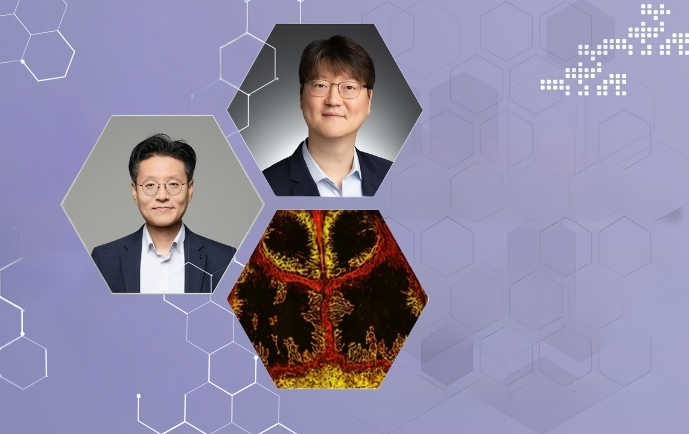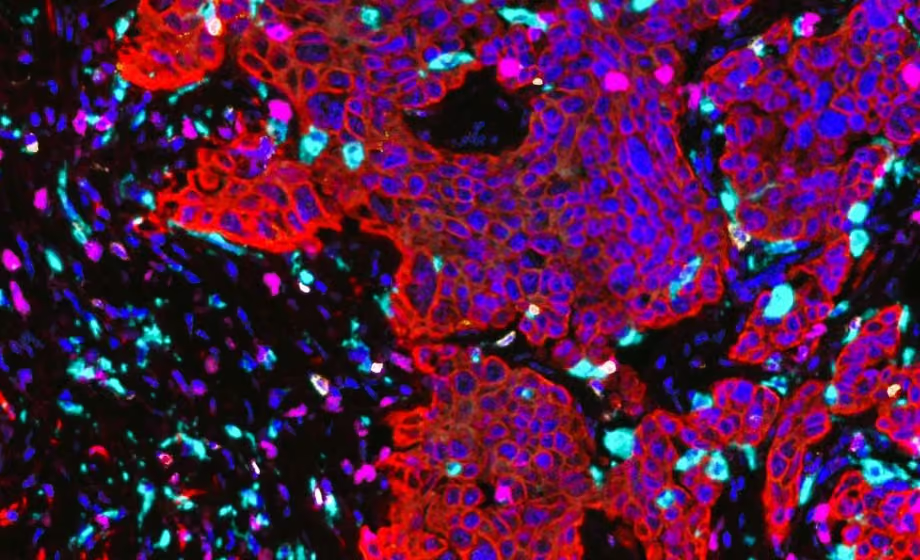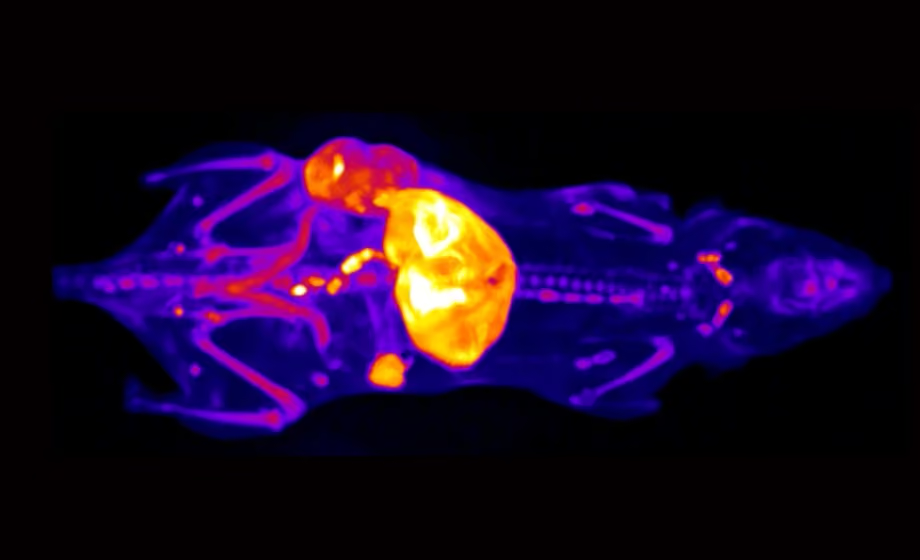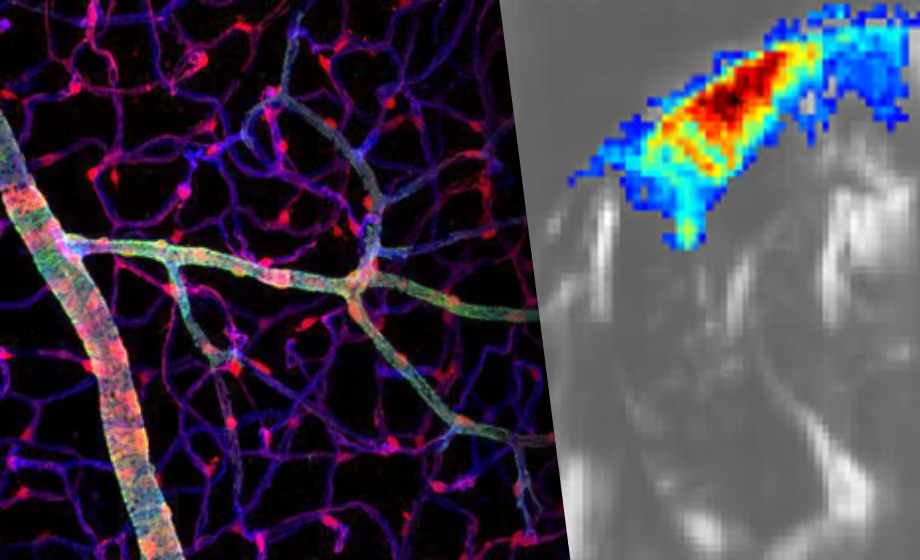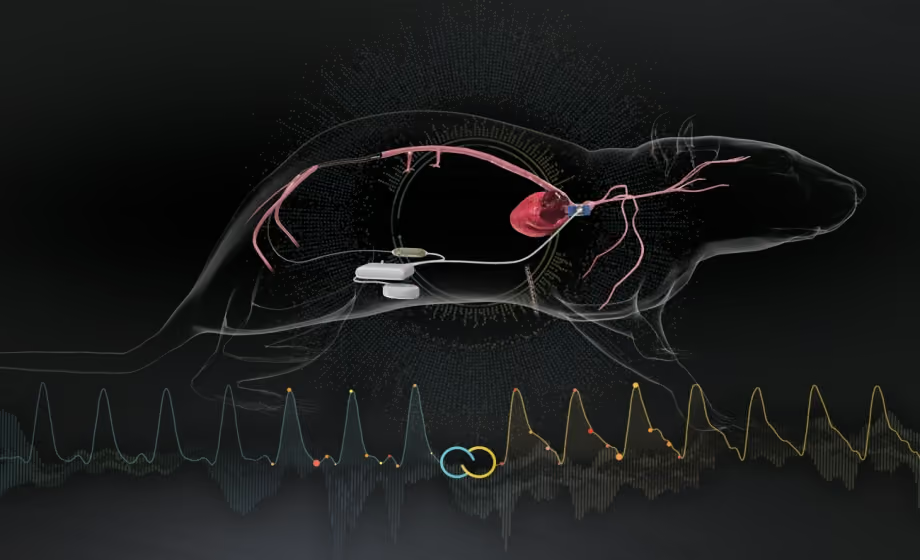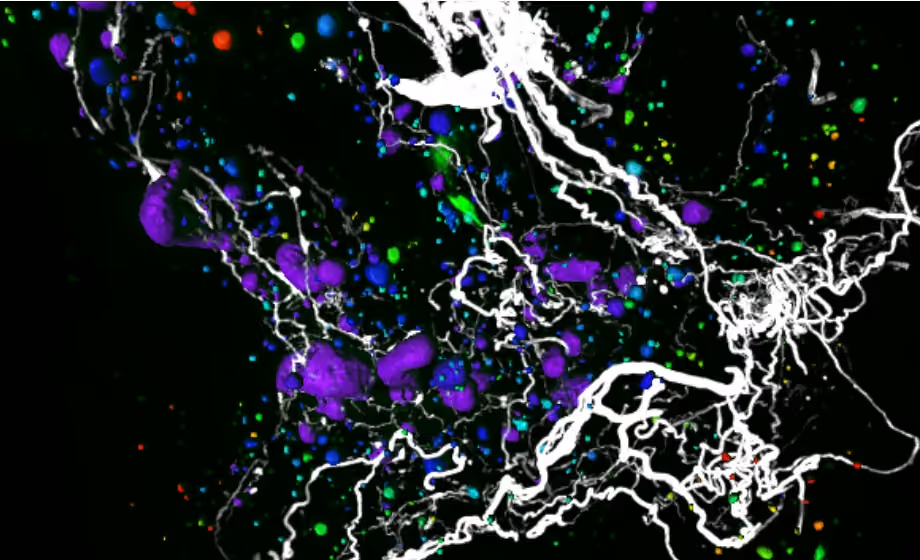
Dr. Sarah Stanley and Dr. Alexandra Alvarsson discuss the use of whole-organ imaging of the pancreas to reveal close interactions between nerves and islets and dynamic regulation of islet innervation in diabetes.
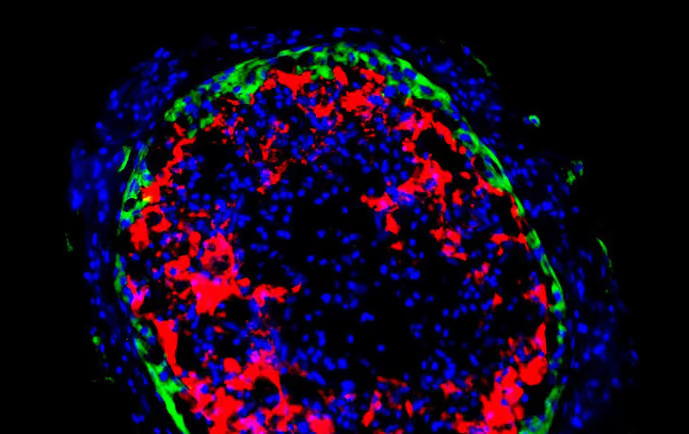
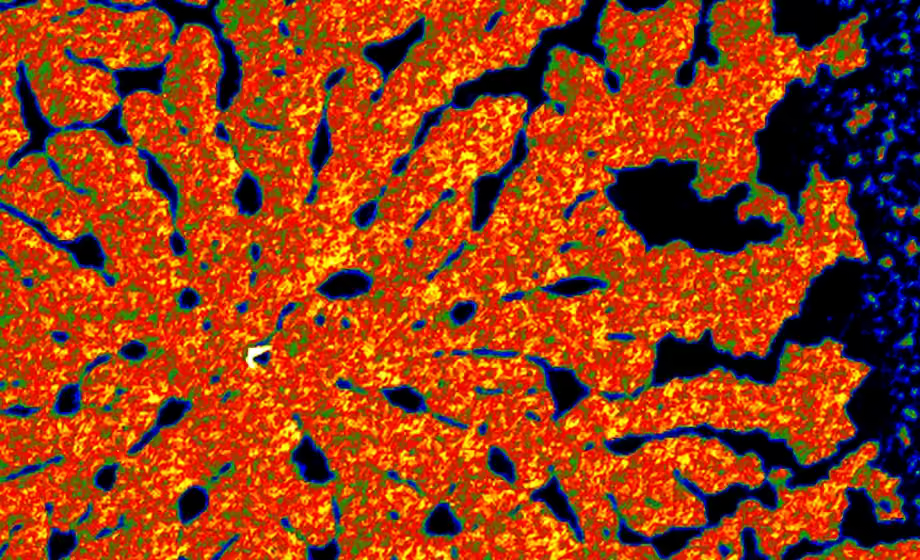
The pancreas is densely innervated, and neural signals play a significant role in glucose regulation by modulating pancreatic hormone release. However, relatively little is known about the anatomical relationships between islets and nerves across the whole pancreas. In this webinar, Dr. Sarah Stanley and Dr. Alexandra Alvarsson discuss their research using tissue clearing and whole organ imaging of the pancreas to identify the 3D structure of pancreatic nerves and islets.
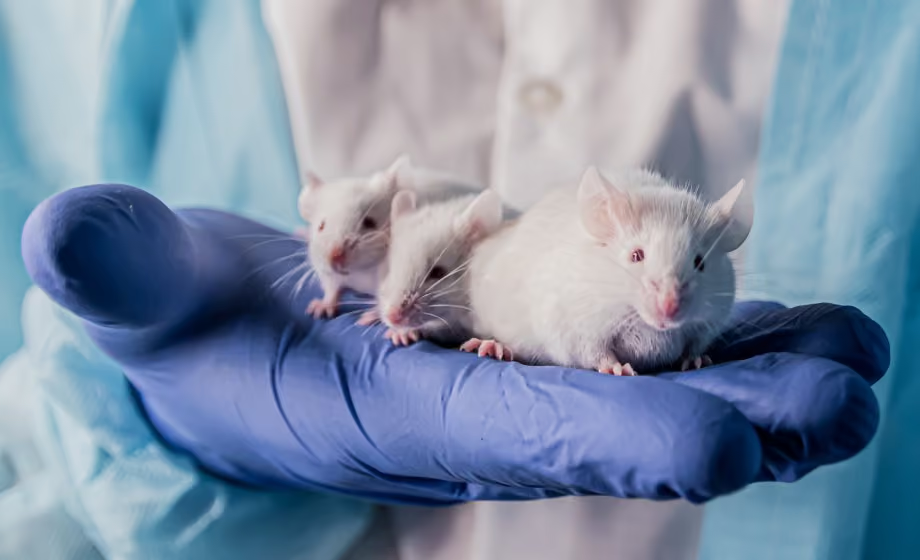
In particular, they provide an overview of their methodology, which provides detailed information and quantification of pancreatic innervation in healthy pancreas, in canonical models of diabetes and in samples from nondiabetic and diabetic donors. They present their findings, demonstrating greatly enriched innervation in the islets with regional variations. They also discuss beta cell innervation in mouse models of diabetes and in pancreata from human donors with type 2 diabetes.
Featuring Insights from

Sarah Stanley
MB BChir, PhD
Sarah A. Stanley, M.B. B.Chir., Ph.D., is an assistant professor at Mount Sinai School of Medicine in the Diabetes, Obesity and Metabolism Institute and Neuroscience. Her research focuses on developing and optimizing tools to image and modulate neural circuits and applying these to understand neural control of metabolism.

Alexandra Alvarsson
PhD
Alexandra Alvarsson, PhD, is a senior scientist in Sarah Stanley's lab at Icahn School of Medicine at Mount Sinai. Her work is focused on identifying alternative therapeutic interventions for metabolic disorders by targeting the nervous system.
Sponsored by
Miltenyi Biotec
In Partnership with
American Physiological Society
Founded in 1887, the American Physiological Society is a global leader in expanding knowledge related to biological function. We connect a multidisciplinary community of nearly 10,000 scientists and educators from around the world, driving collaboration and spotlighting scientific discoveries in physiology and related disciplines. Our members are advancing treatments and cures for everything from cancer and heart disease, to obesity and addiction. They are also deepening our insight into living organisms generally, helping us to better understand how things like climate change are affecting the world around us.