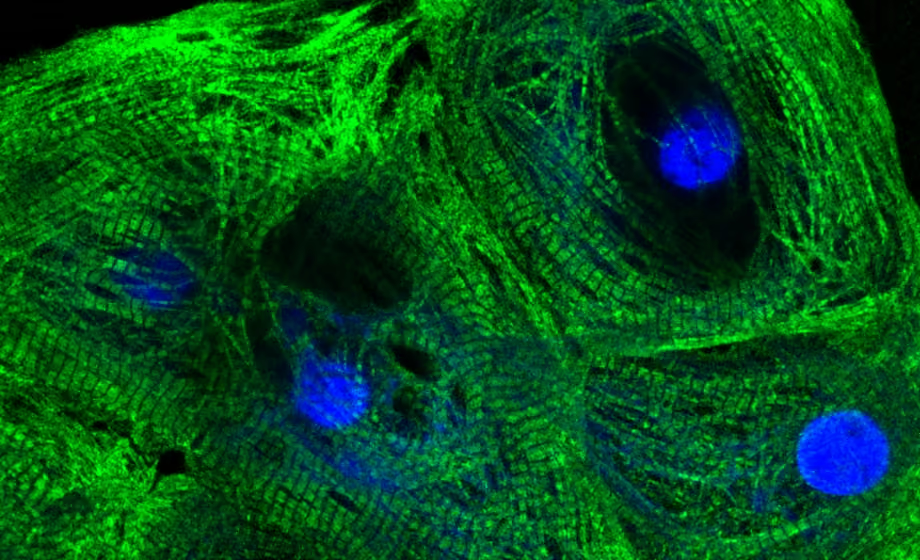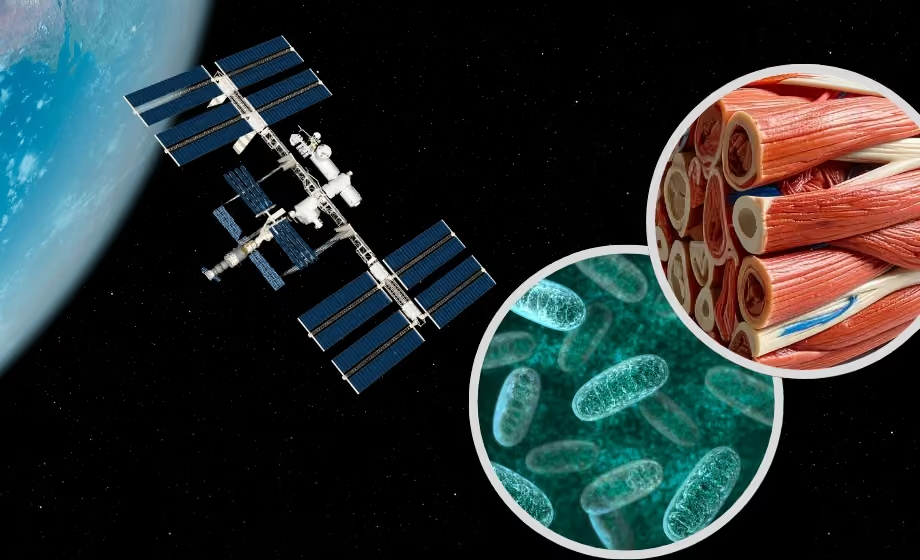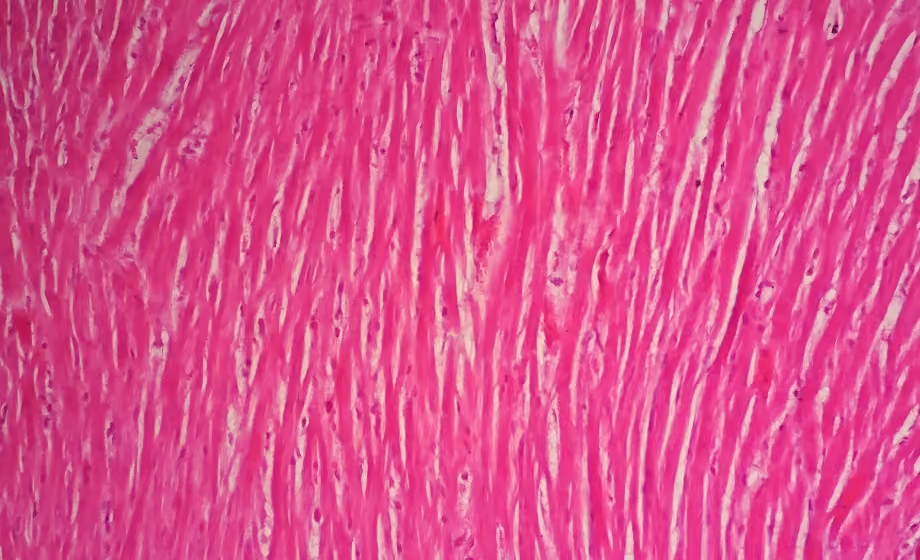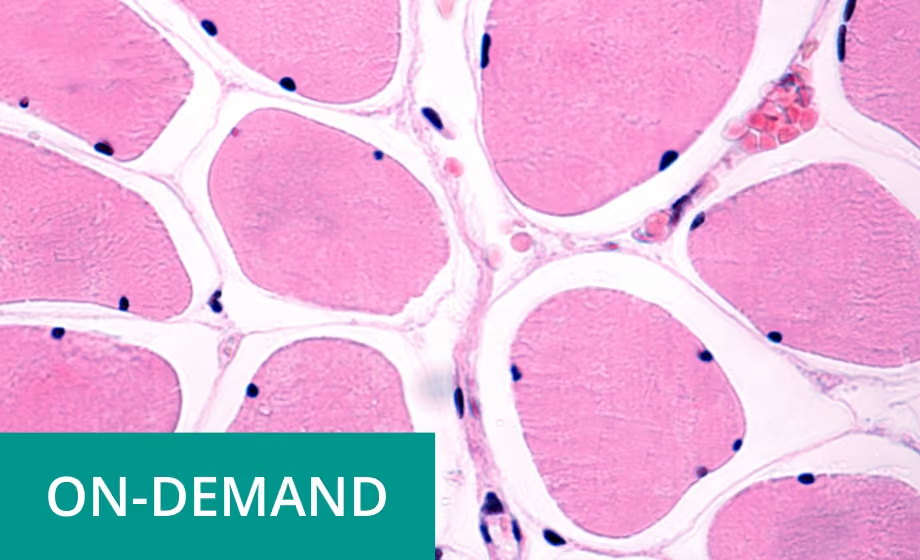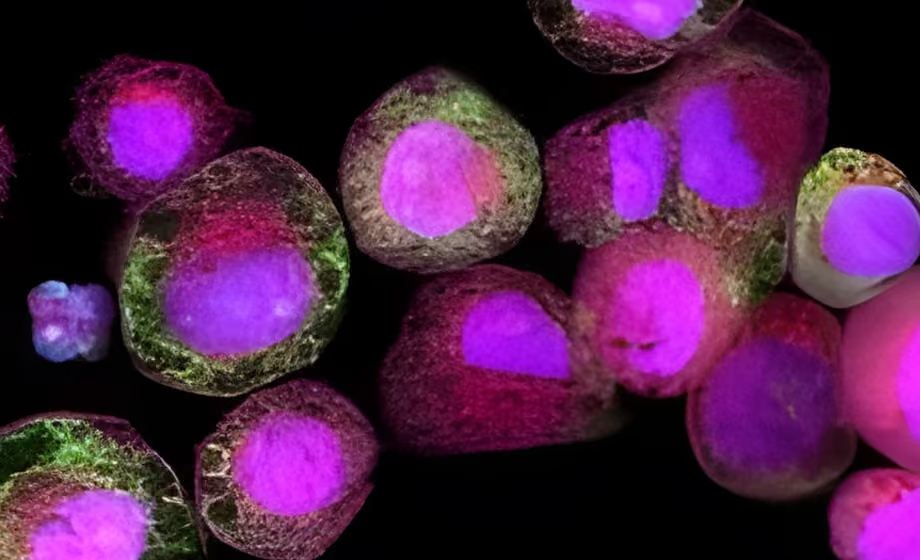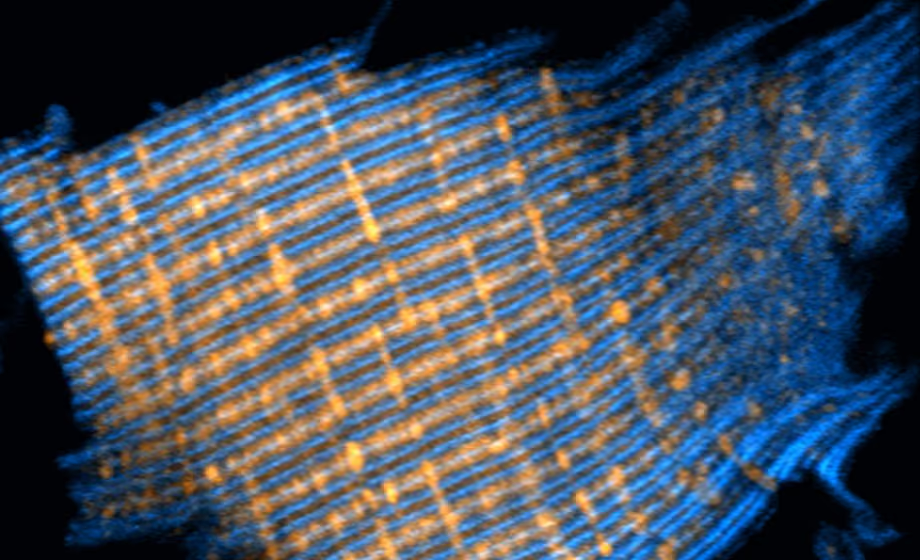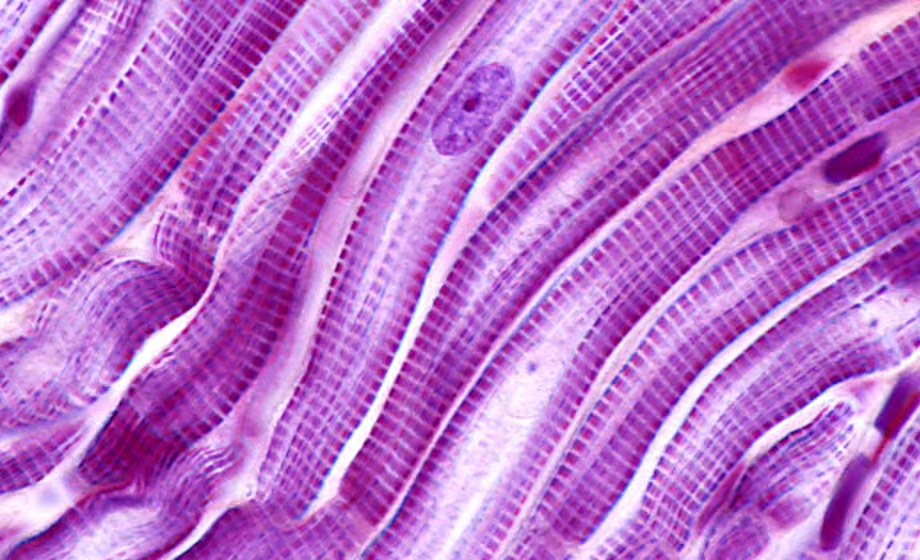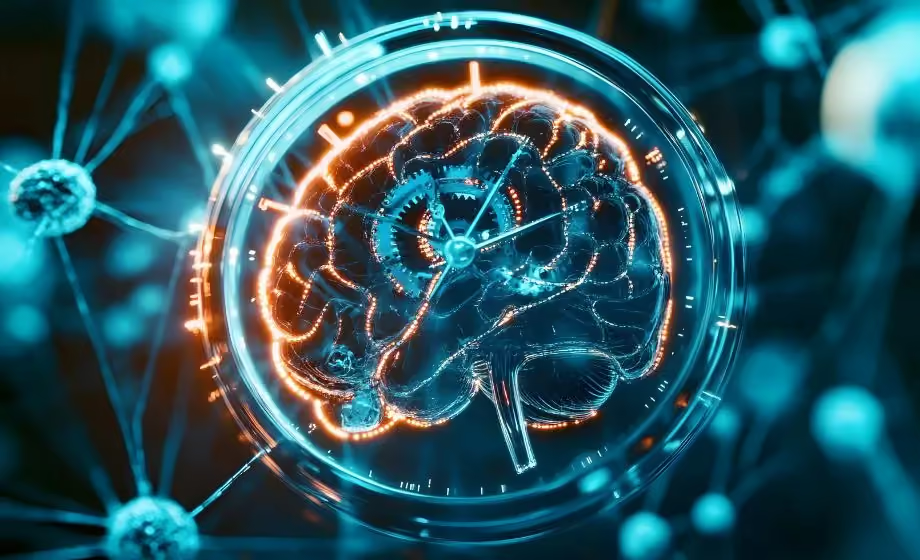
Circadian clocks are ~24hr molecular timers that exist in virtually all cells in the body, and they function to support cell, tissue and systemic homeostasis. This session will cover the preclinical and clinical data supporting the role for circadian clocks in skeletal muscle homeostasis through management of pathways important for maintenance of muscle strength and metabolic flexibility. In addition, this session will cover studies demonstrating the important role for skeletal muscle clocks as a key modulator of known healthy adaptations to endurance exercise. Lastly, the discussion will integrate changes in muscle clocks, muscle health as important contributors to systemic, non-muscle tissue health.
Key Topics Include:
- Define the molecular organization and logic of circadian clocks
- Delineate mechanisms by which circadian clocks regulate skeletal muscle homeostasis (strength and metabolism)
- Dissect the interaction between skeletal muscle clocks and endurance exercise adaptations
- Interpret circadian modulation as a mechanistic variable in experimental and translational study design
Featuring Insights from
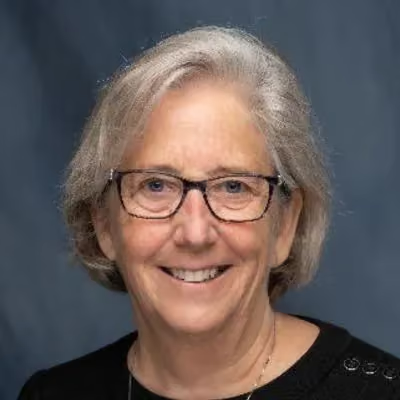
Karyn Esser
PhD
Dr. Karyn Esser is Professor and Chair of Physiology and Aging at the University of Florida. Her lab helped establish circadian clocks in skeletal muscle and their role in maintaining strength and metabolic flexibility. Her work examines muscle clocks as components of exercise responses, aging and chronic diseases.
Sponsored by
Aurora Scientific, Inc.
In Partnership with
American Physiological Society
Founded in 1887, the American Physiological Society is a global leader in expanding knowledge related to biological function. We connect a multidisciplinary community of nearly 10,000 scientists and educators from around the world, driving collaboration and spotlighting scientific discoveries in physiology and related disciplines. Our members are advancing treatments and cures for everything from cancer and heart disease, to obesity and addiction. They are also deepening our insight into living organisms generally, helping us to better understand how things like climate change are affecting the world around us.