Webinar Summary
- Anesthetic and analgesic protocols for minor surgical procedures in rabbits
- The use of a rigid scope for tracheal intubation in rabbits
- The implantation of dual channel (arterial & venous) vascular access buttons (VAB) in rabbits
- Aseptic technique and maintenance of VABs for longterm patency
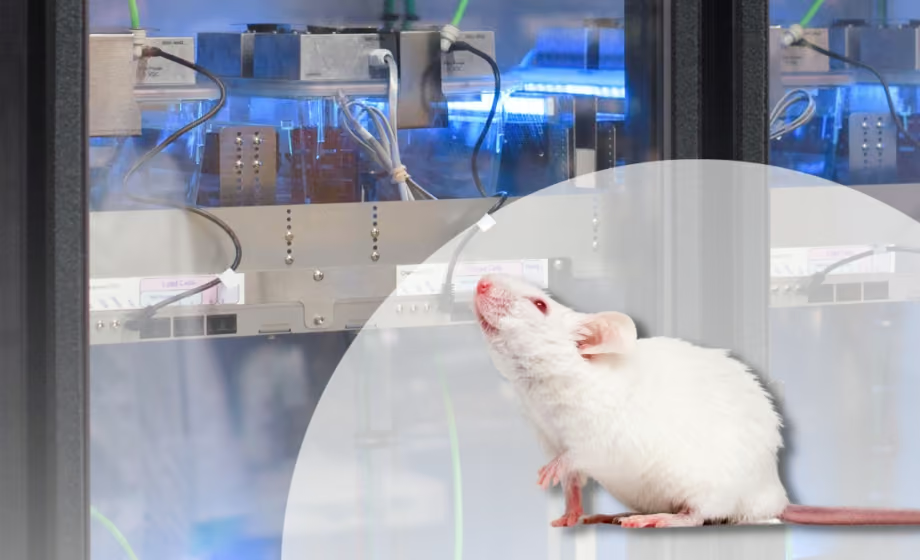
- The use of VABs for pharmacokinetic studies via a magnetic tethering device
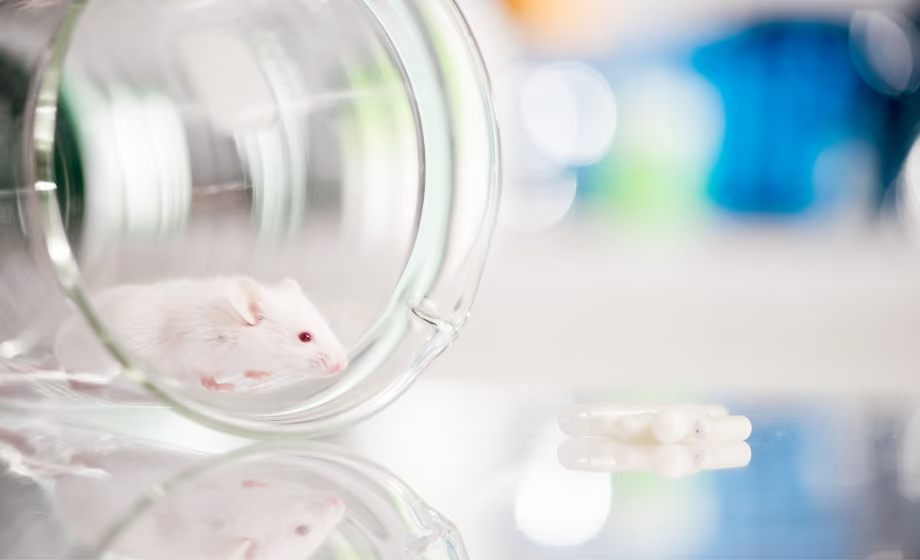
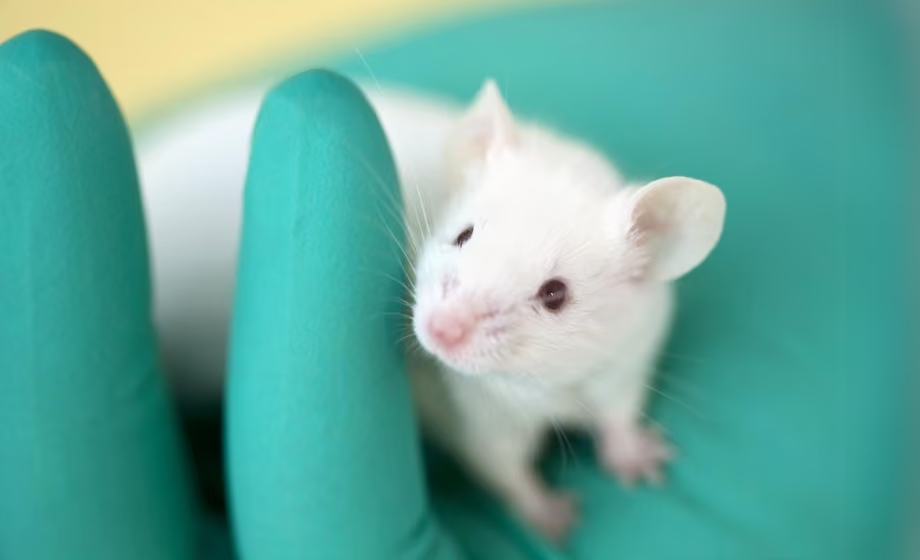
Rabbits are commonly used for pharmacokinetic (PK) and toxicokinetic (TK) studies in the research setting, requiring repetitive venipuncture, which can be challenging in this species. The auricular vessels are commonly used for venipuncture in rabbits. The repetitive access of these delicate vessels can lead to trauma such as hematomas causing venipuncture to become more challenging as the study progresses. In turn, this leads to missed time points or insufficient blood samples.
Surgical models for chronic vascular access in rabbits are common throughout the industry. Common models include exteriorized vascular catheters and implanted vascular access ports. However, these implants come with their own complications and restrictions when used in rabbits. Therefore, the use of a vascular access button, an implant commonly used in small rodents, was initiated as a refinement to the current chronic models in use in the industry. The rabbits tolerate the buttons extremely well with minimal issues. The patency rate is equal to or better than vascular access ports and when used with the tethering system, provides a hands-off method for blood collection and intravenous administration in rabbits during PK studies.
Featuring Insights from

Jon Ehrmann
BS, SRS, SRA, LATg
Jon Ehrmann is the Senior Science and Technology manager for the Translational Animal Pharmacology Group at Bristol Myers Squibb (BMS). He manages a specialized group within BMS providing surgical models and advanced study support to multiple therapeutic areas across several BMS sites.
In Partnership with
Academy of Surgical Research
- Encourage, foster, promote, and advance professional and academic standards, education, research, and development in the arts and sciences of experimental surgery.
- Promote, initiate, support, and accomplish academic and practical educational programs, cooperative research, and development in experimental surgery in the public interest.
- Promote humane use and treatment of experimental animals and prevent their use when other means can bring about the same scientific results.
- Cooperate with medical organizations, other scientific organizations, government agencies, and other interested parties in establishing, reviewing, and evaluating ethics, theories, practices, and research pertaining to surgical research and promotion of the product of surgical research for clinical application.
- Encourage the advancement of the field of surgery in all aspects, including research, education, and critical promotion of research products for clinical applications.
















.avif)