Webinar Summary
- Acquiring work loops in cardiac slices
- Visualizing the Frank-Starling relationship in cardiac slices
- Using cardiac slices to understand the molecular mechanisms responsible for cardiac stiffening
- How to acquire work loops in engineered heart tissue
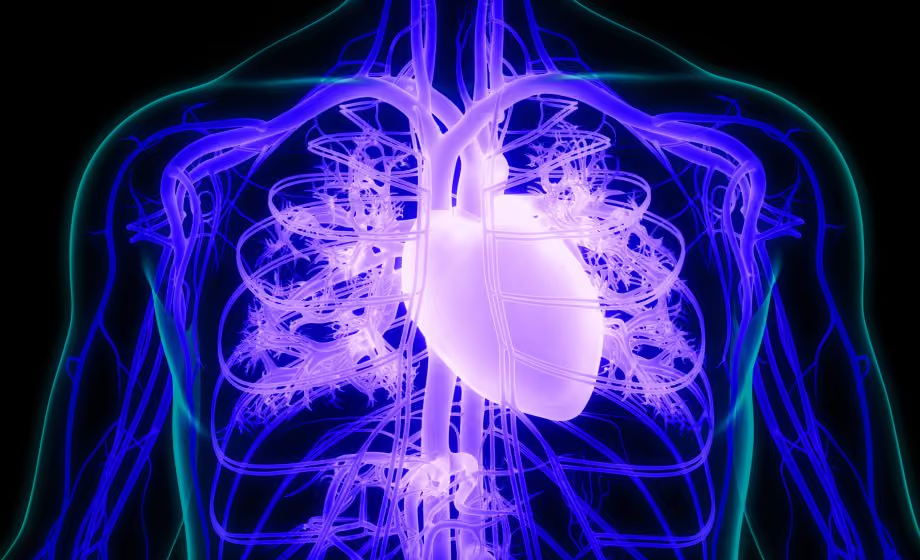
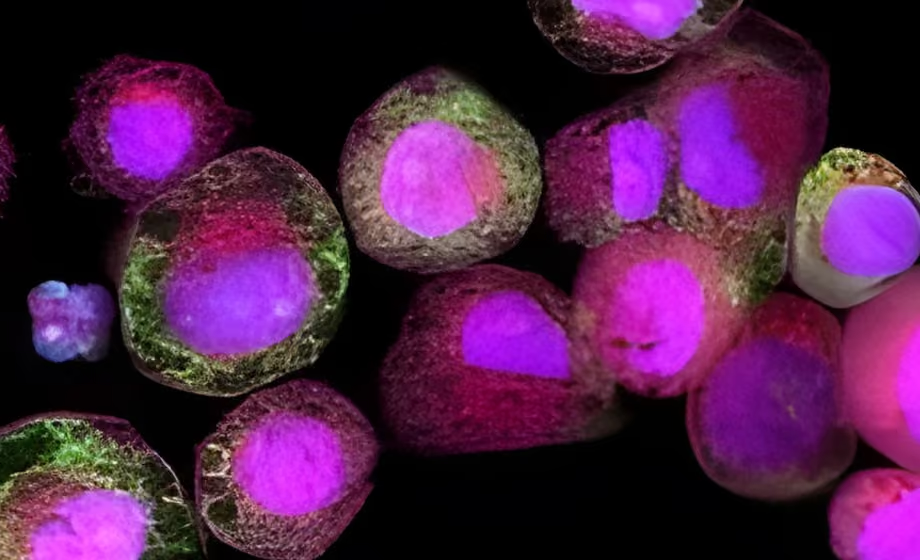
Cardiac slices better preserve the structure, function, and biochemical properties of the in situ heart when compared to other model systems, including isolated cardiac myocytes and other intact tissue preparations, while allowing for a wider range of experimentation than whole heart. Additionally, cardiac slices can be prepared from both animal and human tissue, suggesting that data will translate better from the bench to the clinic.
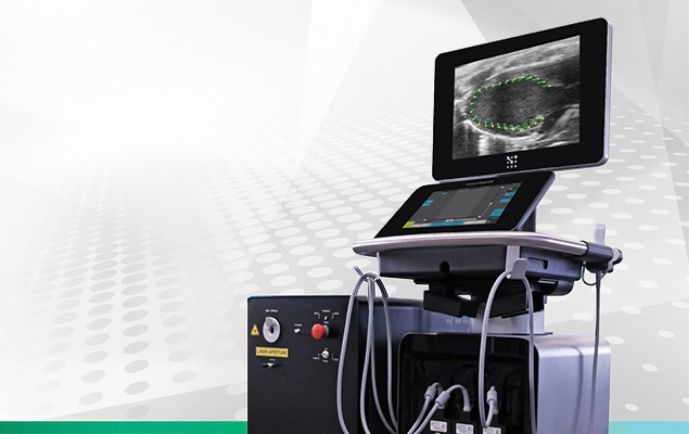
In this webinar, the speakers build off the previous IonOptix webinar introducing the cardiac slice preparation to explore specific applications that are well-suited to cardiac slices and the IonOptix Cardiac Slice System. Specifically, they show investigations utilizing cardiac slices to highlight the effect of myosin ATPase inhibition on the Frank-Starling relationship, as well as the relationship between microtubule network remodeling and diastolic stiffness/dysfunction. Lastly, they also explore engineered heart tissue as an alternative to the cardiac slice preparation.
Featuring Insights from

Bradley Palmer
PhD
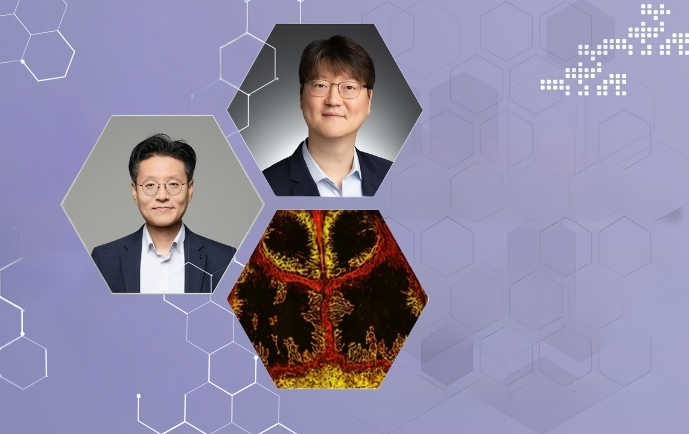
Dr. Bradley Palmer's interests have focused on bringing engineering principles to combat heart failure. His most recent work has focused on using cardiac slices mimicking the Pressure-Volume relationship to detect and discern the molecular mechanisms responsible for cardiac function observed with pathological states like heart failure, diabetes, and hypertension.

Matthew Caporizzo
PhD
Dr. Matthew Caporizzo's Lab studies the mechanics of heart failure with particular emphasis on understanding the molecular mechanisms that stiffen the heart and how the heart's stiffness influences its function in health and heart disease.

Benjamin Lee
MD, PhD
Dr. Benjamin Lee is currently a cardiology fellow at the University of Pennsylvania. He received his MD/PhD from Columbia University in biomedical engineering. He is fascinated by beating heart tissues and is using 3-dimensional systems to better understand and target mechanical dysfunction in the heart.
Sponsored by

IonOptix
In Partnership with

American Physiological Society
Founded in 1887, the American Physiological Society is a global leader in expanding knowledge related to biological function. We connect a multidisciplinary community of nearly 10,000 scientists and educators from around the world, driving collaboration and spotlighting scientific discoveries in physiology and related disciplines. Our members are advancing treatments and cures for everything from cancer and heart disease, to obesity and addiction. They are also deepening our insight into living organisms generally, helping us to better understand how things like climate change are affecting the world around us.