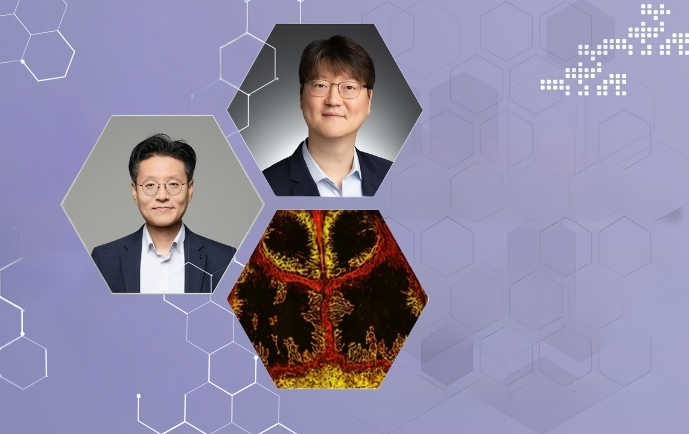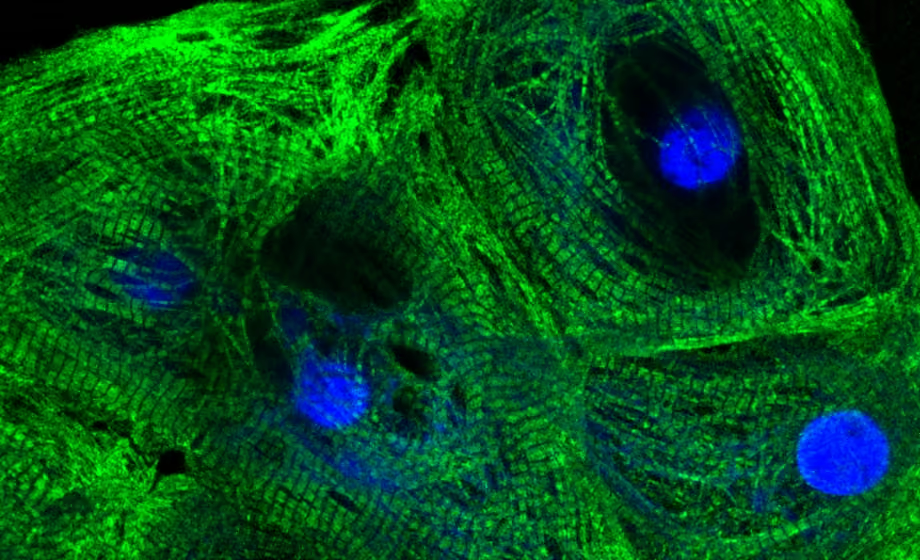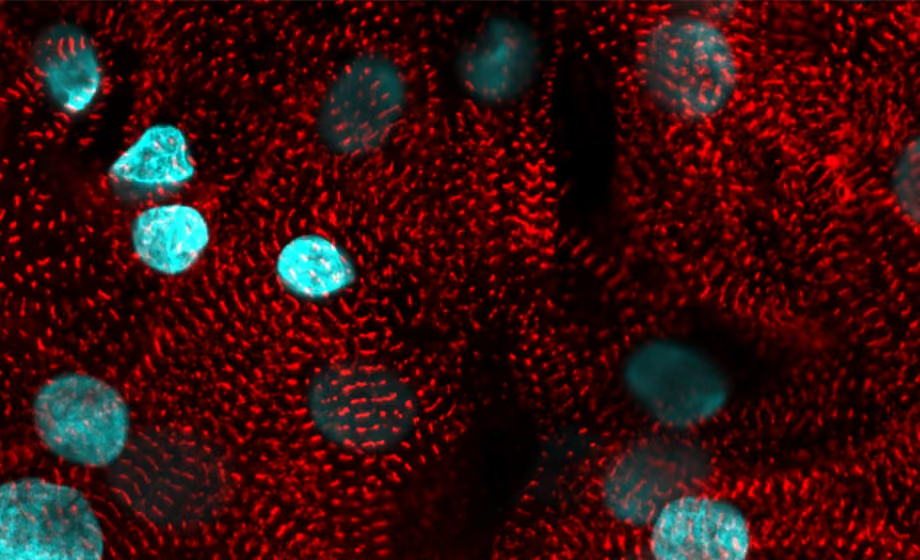
Patrick Schönleitner, PhD and Francisco Altamirano, PhD present their work involving simultaneous measurements of intracellular calcium, membrane voltage, and contractility of cardiomyocytes.
Dr. Schönleitner begins the webinar introducing the components of EC coupling, whereby calcium directly influences the action potential. Traditional EC experiments involve a patch clamp setup to record intracellular calcium but require significant time and patience.
New voltage-sensitive dyes have recently been developed with improved fluorescence characteristics to make recording optical potentials easier and more reliable. Dr. Schönleitner proceeds to review various dyes, describing their characteristics and when they should be used. For example, Di-4-ANEPPS has a broad spectrum and it is therefore difficult to combine it with other dyes. In comparison, Fluovolt has a narrower emission spectrum which allows for simultaneous calcium recordings.
One of Dr. Schönleitner's aims was to determine whether calcium and voltage can be measured simultaneously without switching between two wavelengths. By performing experiments with Fluovolt and RHOD2 (calcium dye) individually and then together, they found that this is possible.
"There are some limitations to this method that we cannot change, and that's because both dyes we are using are single wavelength dyes . . . so we cannot account for motion artifacts . . ."
Dr. Schönleitner then shows how IonOptix CytoSolver Transient Analysis software can execute precise analysis of action potential data from the optically recorded action potentials. Real life examples of analysis of the effect of drugs on calcium, potassium, and sodium channels are demonstrated. He concludes that with multiparametric imaging (combination of voltage, calcium, and contractility), assessment of the whole EC cascade is possible; this, in combination with the Ionoptix high-throughput system, represent an alternative to traditional safety testing approaches.
In the next part of the webinar, Dr. Altamirano begins with a review of Autosomal Dominant Polycystic Kidney Disease (ADPKD), which commonly leads to end stage renal disease. ADPKD manifests with many cardiovascular alterations, including systolic and diastolic dysfunctions.
"Recently, we showed that cardiomyocyte-specific polycystin-1 deletion causes both systolic and diastolic dysfunction, suggesting that this protein directly regulates both cardiomyocyte contraction and relaxation."
He then presents data demonstrating the various effects of polycystin-1 (PC1) deletion. Specifically, this causes shortening of action potential duration, impairs calcium ion cycling, and inhibits voltage-gated potassium (Kv) channels.
"There is evidence that suggests that action potentials regulate calcium handling and this will affect how the cardiomyocyte will contract."
By using whole-cell voltage clamp with fluorescence detection, Dr. Altamirano's group was able to detect fluorescence changes and control voltage of the cell. These experiments revealed PC1 controls action potential duration, calcium ion handling, and contractility in both human and mouse cardiomyocytes. Dr. Altamirano concludes the webinar by highlighting that simultaneous recordings of action potential, calcium, and contractility are a good model to study PC1 function in cardiomyocytes.
Webinar Highlights
- Introduction to excitation contraction (EC) coupling and voltage-sensitive dyes
- How to perform simultaneous multiparametric epifluorescence and contractility measurements
- The role of polycystin-1 (PC1) in cardiomyocytes
- Pros and cons of human induced pluripotent stem cell (hiPSC)-derived cardiomyocytes to study cardiac action potentials and calcium handling
Featuring Insights from

Patrick Schönleitner
MD, PhD
Dr. Schönleitner received his doctoral degree in Cardiovascular Physiology from Maastricht University specializing in subcellular calcium handling in atrial fibrillation. Currently, as a Research Scientist at IonOptix, he is involved in system and assay development to help scientists uncover novel pathways in cardiac physiology and disease.

Francisco Altamirano
PhD
Dr. Altamirano is an assistant professor in the Department of Cardiovascular Sciences at Houston Methodist Research Institute. His lab studies the role of polycystin-1 in cardiac disease.
Sponsored by