Webinar Summary
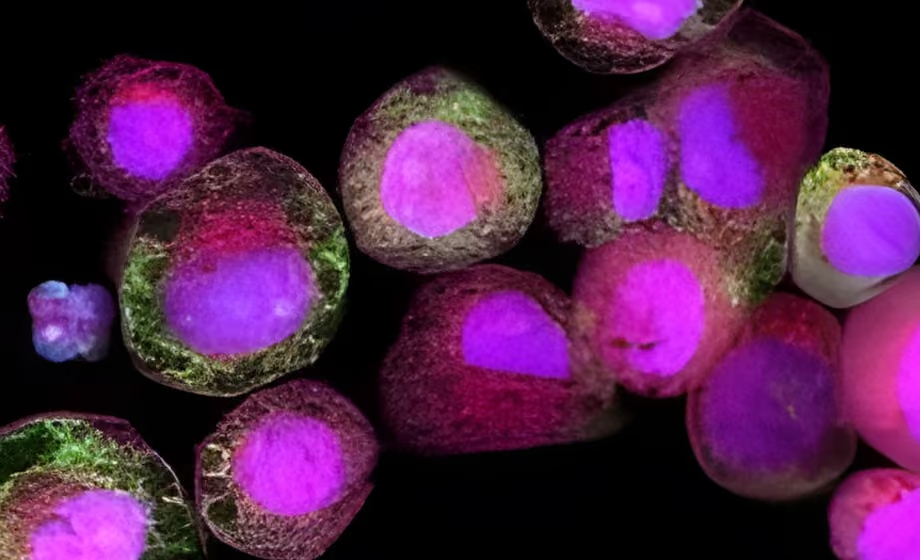
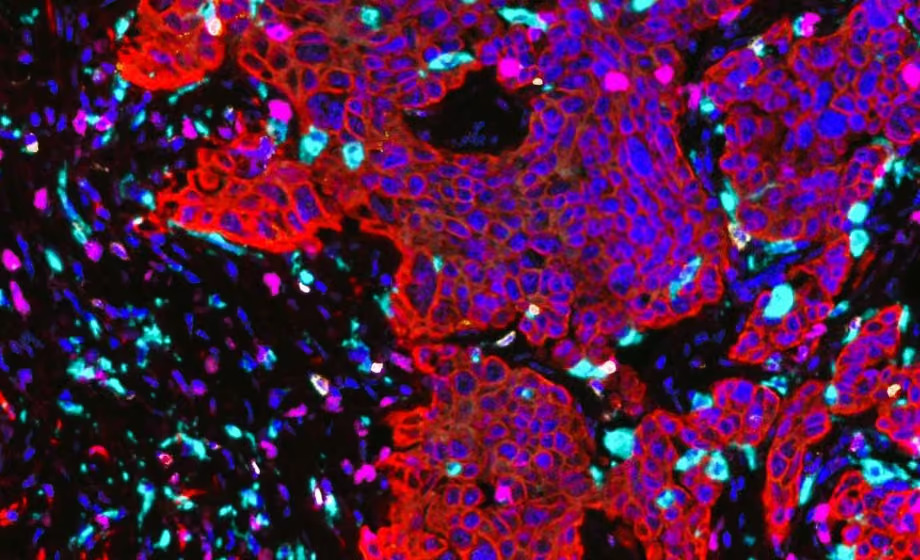
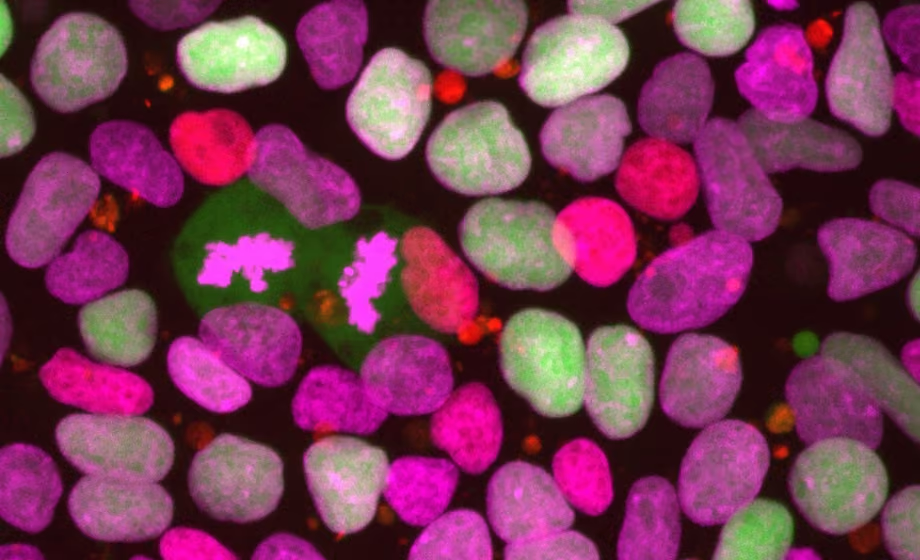
- Visualizing how human Pluripotent Stem Cells (hPSCs) proliferate and undergo early differentiation in vitro, by high content microscopy
- Learning about experimental and computational pipelines that enable cell fate monitoring at the collective and single-cell level
- Learning about novel "live" reporters of hPSC cell fate
To watch this webinar, please contact Yokogawa: info@us.yokogawa.com.
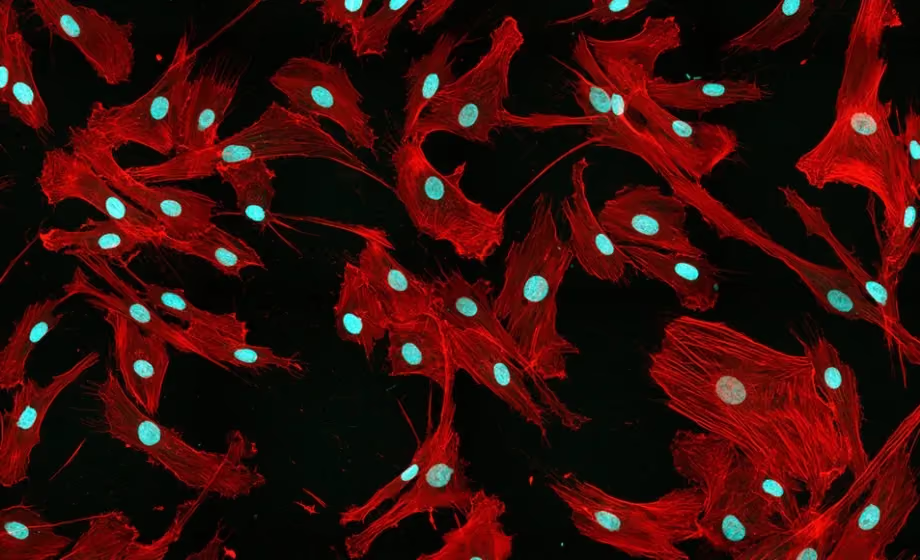
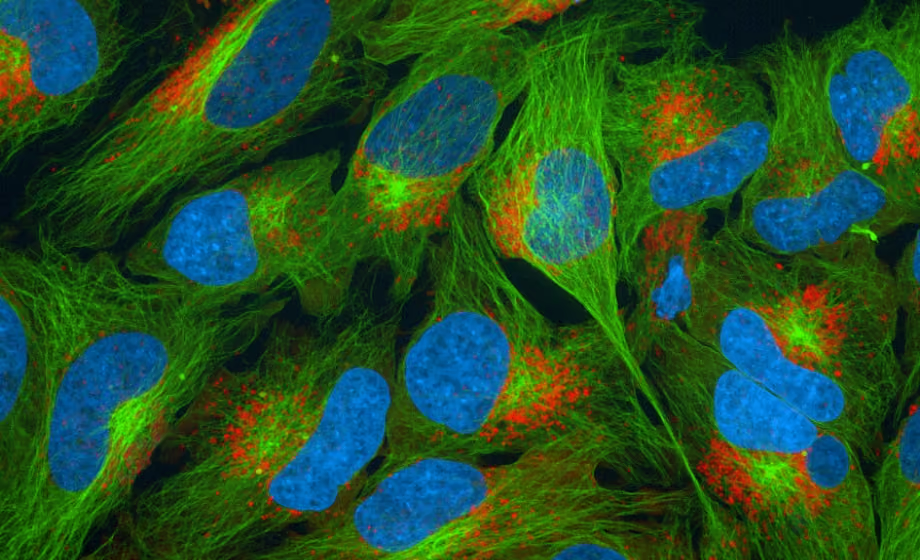
In this webinar, Dr. Rafael Carazo Salas describes multicolor, multiday high-content microscopy pipelines that his group has recently developed to visualize the dynamical cell fate changes of human Pluripotent Stem Cells (hPSCs). In particular, he reviews the integrated experimental and computational approaches that his group has established, including novel "live" reporters of cell fate and multi-reporter hPSC lines generated by CRISPR/Cas9 allowing multiplexed monitoring of cell proliferation and fate dynamics, and exemplify the biological discoveries they are enabling.
Featuring Insights from

Rafael E Carazo Salas
PhD
Dr. Rafael Carazo Salas's group seeks to better understanding the molecular networks and processes that control cellular growth, division and differentiation. Recently, they have actively pioneered technologies to study how pluripotency and differentiation are controlled using human embryonic stem cells and induced pluripotent stem cells. Their research goal is to understand how to specifically, efficiently and safely program heterogeneous populations of stem cells for therapeutic applications.
Sponsored by




















.avif)