The adult mammalian brain has limited regenerative capacity yet retains substantial potential for functional reorganization after experience, injury or disease. While local plasticity at injury sites has been described, the brain-wide consequences of a focal injury and the biological processes that drive them remain unknown.
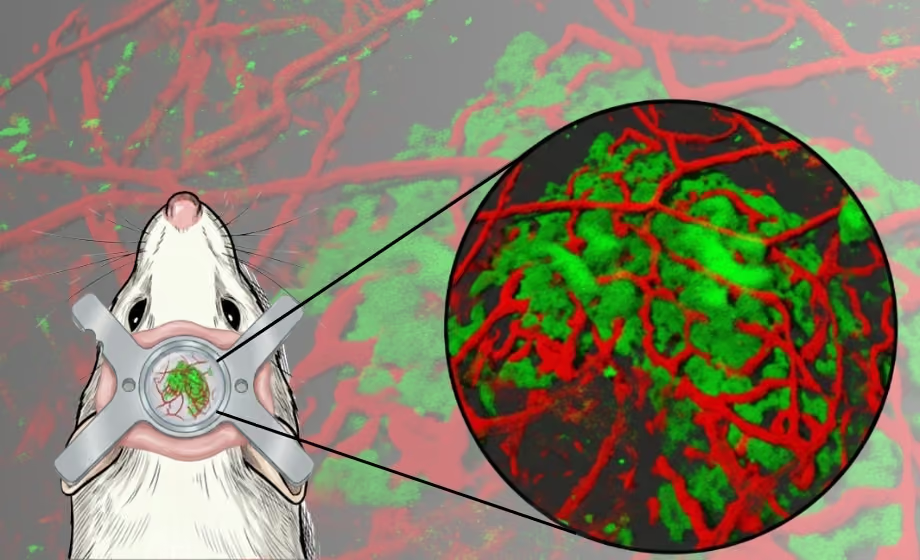
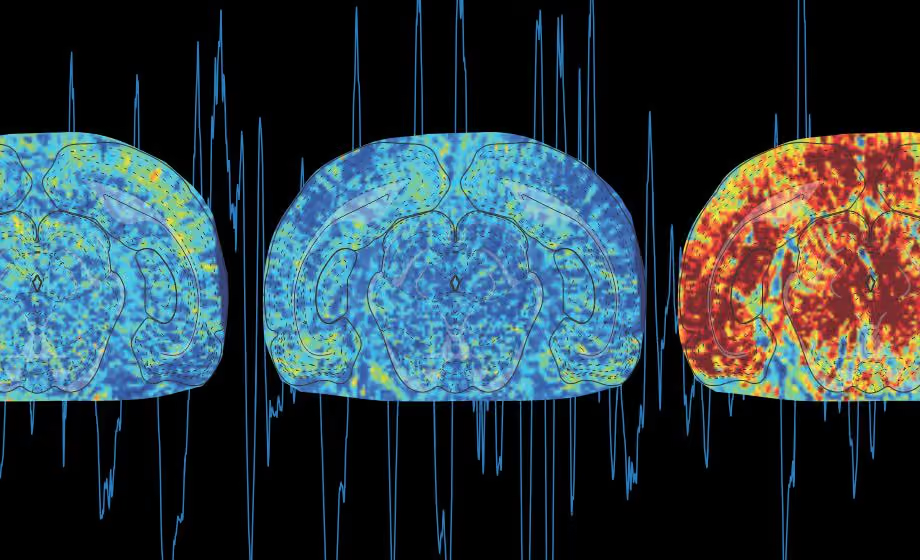
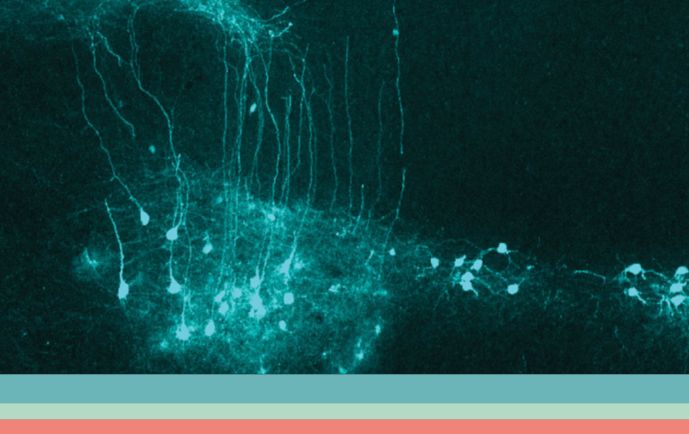
To address this, Sofia Grade et al. performed an unbiased, whole brain screen of neuronal activity at single cell resolution following a focal injury to the primary visual cortex (V1) in mice. Olfactory processing areas emerged as loci of remote activation. The study further shows that V1 injury promotes the recruitment of adult born neurons into the olfactory bulb (OB) and potentiates cortical feedback onto bulbar circuits. Combining high-density multielectrode array recordings with two-photon calcium imaging revealed OB circuit refinement characterized by increased synchrony and sharpened tuning of principal output neurons. These circuit-level functional enhancements coincide with improved behavioral performance in odor-guided tasks. Motor cortex lesions do not elicit similar cellular and behavioral responses, suggesting that such distal adaptation only develops when injury is coupled with increased olfactory demand.
Together, these data demonstrate that the adult brain can recruit alternative sensory circuits distant from a focal lesion to undergo adaptive, functionally relevant reorganization, and implicate adult neurogenesis as a contributing mechanism. These findings expose a previously underappreciated degree of remote plasticity and reveal a novel role of adult neurogenesis in sensory compensation.
Featuring Insights from
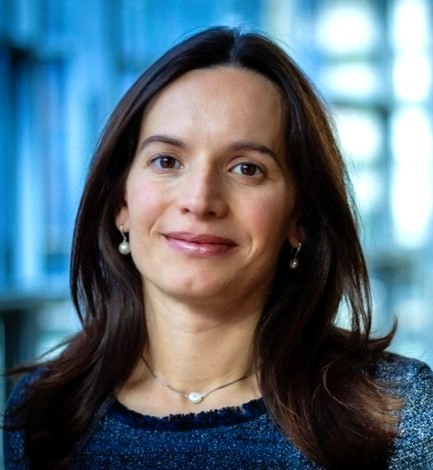
Sofia Grade
PhD
Sofia Grade studied biology and earned her PhD from the University of Coimbra in 2012 through a joint research program with Laval University in Québec. She then completed her postdoctoral training at LMU Munich in the laboratory of Magdalena Götz. In 2020, she established her independent research group at the Institute of Molecular Biotechnology (IMBA) in Vienna. Her laboratory focuses on understanding neural circuit remodeling in the diseased brain and on identifying novel intervention strategies for brain repair.
Sponsored by