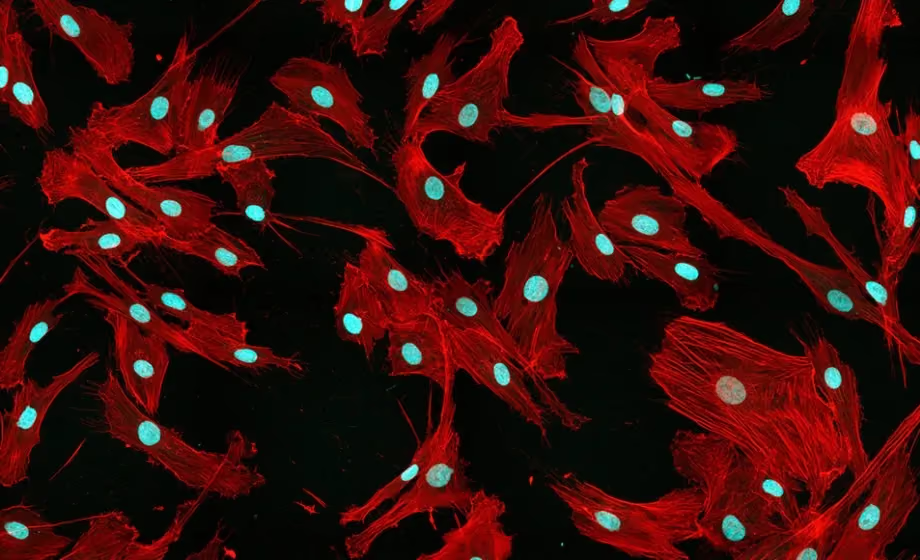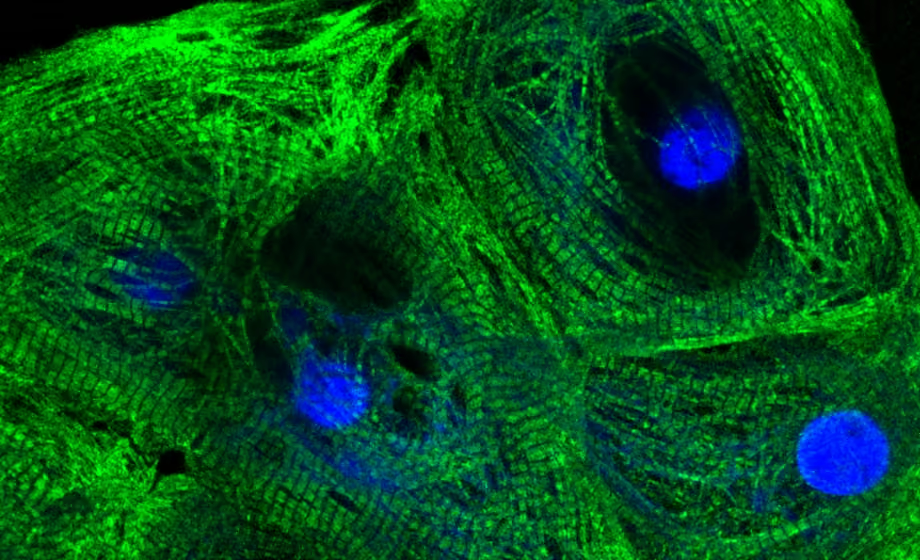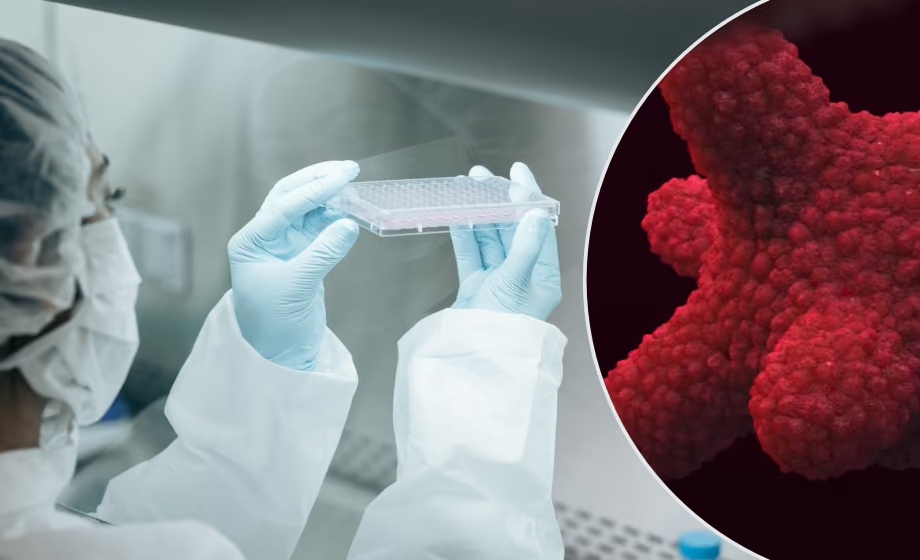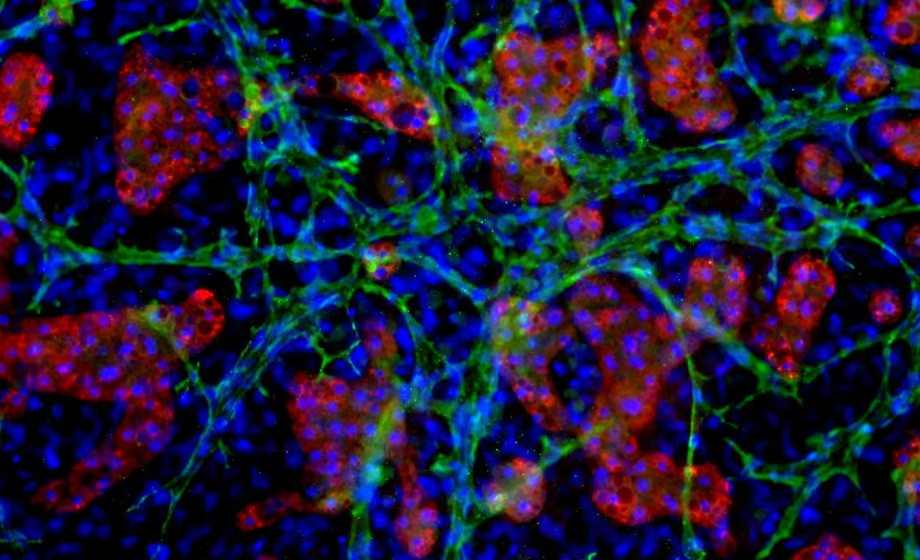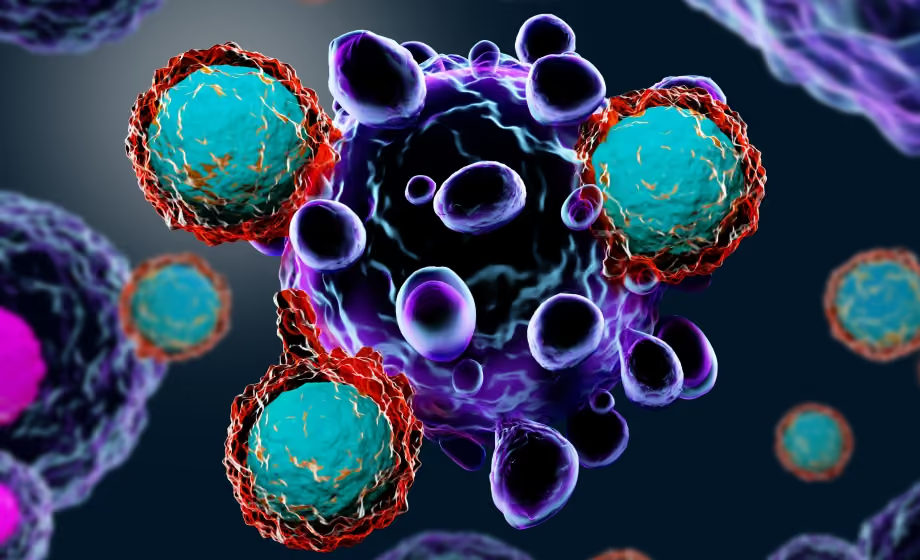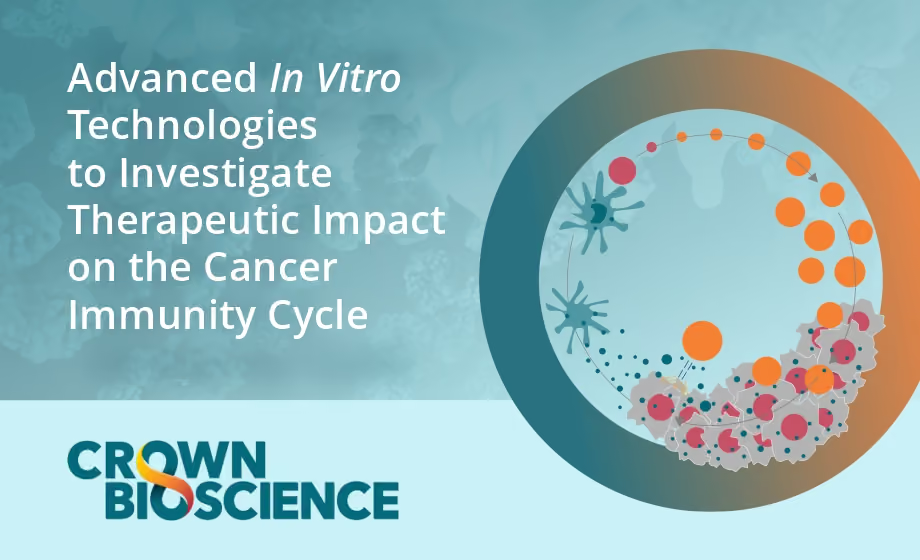
Experts provide an overview of ex vivo and in vitro methods, techniques, and model systems for research within the cancer-immunity cycle framework.
Immuno-oncology is a fast-growing branch of science, with an unprecedented number of immunotherapeutics being developed in recent years. It's not without its challenges though, and researchers must often balance scalability with physiological relevance.
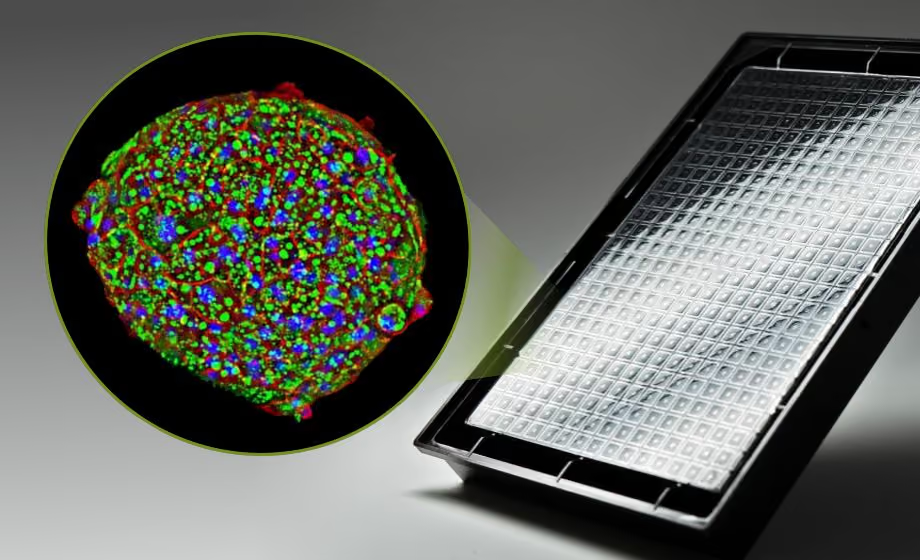
In this webinar, Dr. Rajendra Kumari and Dr. Gera Goverse discuss the basics of immuno-oncology and how cancer immunotherapies are studied along each step of the cancer immunity cycle. They provide an overview of in vivo, ex vivo and in vitro assays available, including both traditional as well as novel assays. They also describe the importance and applications of several technology platforms including flow cytometry, histology, single cell analysis, cytokine profiling, T cell cytotoxicity, and high content imaging, and highlight relevant examples from the literature that used them.
Key learning objectives:
- What is the cancer immunity cycle? How are the steps of the cycle regulated, and which steps are potential targets for immunotherapeutics?
- Understand the advantages and limitations of 2D, 3D, in vivo, and ex vivo models
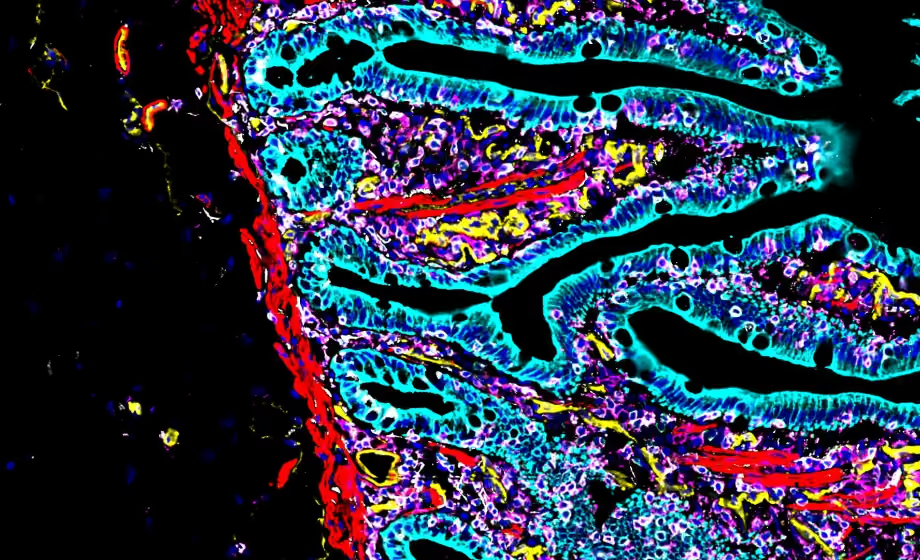
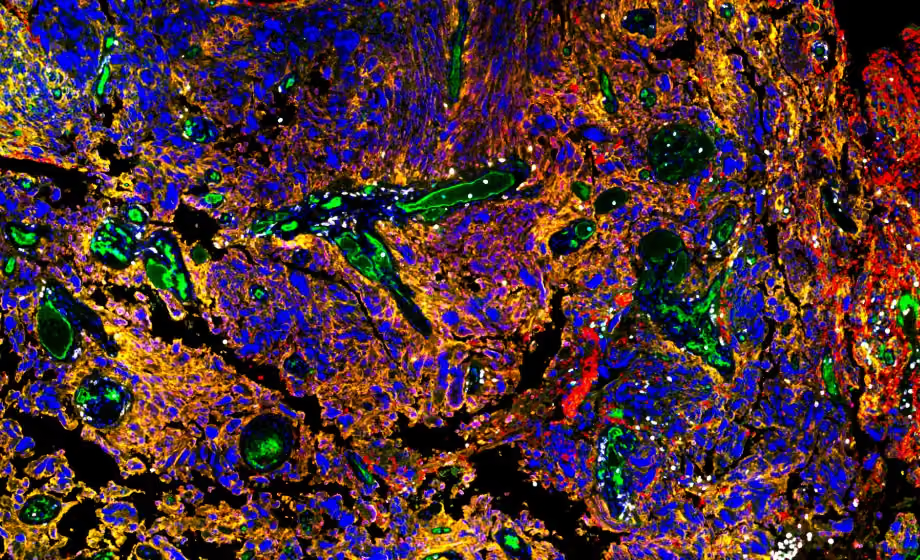
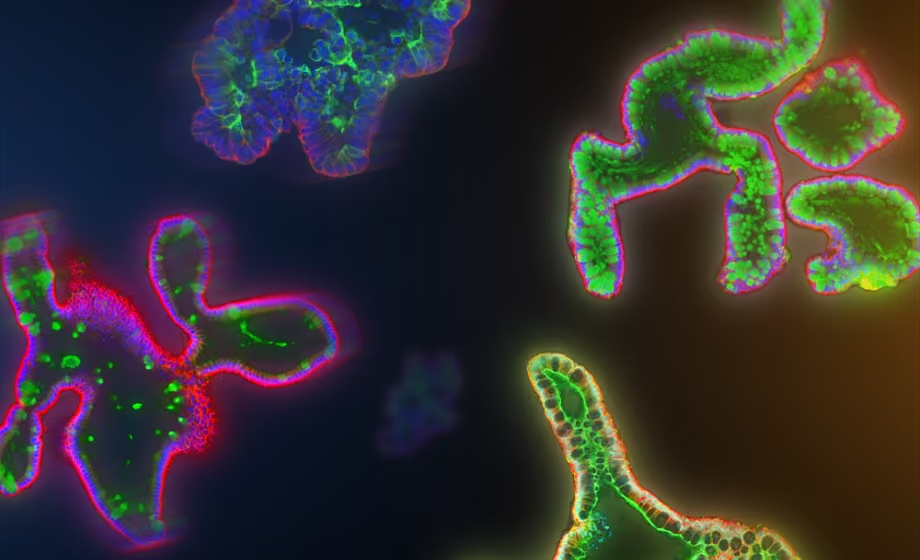
- Applications of high-content imaging and why HCI analysis is so valuable for preclinical immuno-oncology research
Featuring Insights from
Gera Goverse
PhD
Trained as an immunologist, Gera Goverse has used novel technologies to study the role of different environmental factors on both the local and systemic immune system to suppress their responses in inflammatory disorders and in the field of immuno-oncology.
Since joining the team at Crown Bioscience, Gera has executed the design of many successful immuno-oncology projects to help national and international customers discover the full potential of their compounds.
Gera is motivated by studying the complex mechanisms of the regulation of the immune system, exploring tumor-cell interactions and refining ways to stimulate the immune responses towards the killing of the tumor.

Rajendra Kumari
PhD
After receiving her PhD from the University of Leicester in Molecular Pharmacology, Rajendra joined the Division of pre-clinical Oncology, School of Clinical Sciences, University of Nottingham as a postdoctoral fellow, building expertise in cancer cell biology, model development, in vitro, in vivo, imaging capabilities and molecular pharmacology. In 2005, Rajendra took the role of Project & Business Manager of the Preclinical Oncology Services (PRECOS) contract research business unit and lecturer/assistant professor in 2008. Rajendra was pivotal in the commercialisation of the unit and eventual spinout of PRECOS Ltd in 2010, acting as Chief Operations Officer, Board Director and co-founder. Following the merger with Crown Bioscience in 2013, Rajendra led Crown Bioscience’s European site as CSO & General Manager. In 2018, Rajendra became Global Head of Scientific Communications for all platforms at the company. Rajendra is a member of the American Association of Cancer Research and British Association of Cancer Research and has authored over 40 abstracts and publications.
Sponsored by
Crown Bioscience
In Partnership with
Scientist.com
Scientist.com is the world’s largest and first platform built for the intricacies of scientific outsourcing.
We help pharmaceutical and biotechnology organizations discover, engage, manage, and scale relationships with the providers that support every stage of the pipeline—from discovery and preclinical research to clinical development, manufacturing, medical affairs, and commercialization. Through a centralized platform, organizations can access a global network of 6,000+ providers, streamline sourcing and procurement workflows, maintain compliance, manage supplier relationships, and leverage data-driven insights to make faster, more informed decisions.
Today, Scientist.com supports more than 130 life science organizations, including 24 of the world's top 30 pharmaceutical companies, helping teams reduce operational complexity, accelerate timelines, and bring innovations to patients faster. Our mission is to make it possible to cure all human disease by 2050.







.avif)