Webinar Summary
- Discover the synergy between chemical analysis and advanced bioanalytical tools for nuanced water quality assessment
- Simplify the selection process of cell-based bioassays for targeting both known chemicals and contaminants of emerging concern
- Discuss derivation of effect-based trigger values (EBTs) and their role in defining water quality acceptability
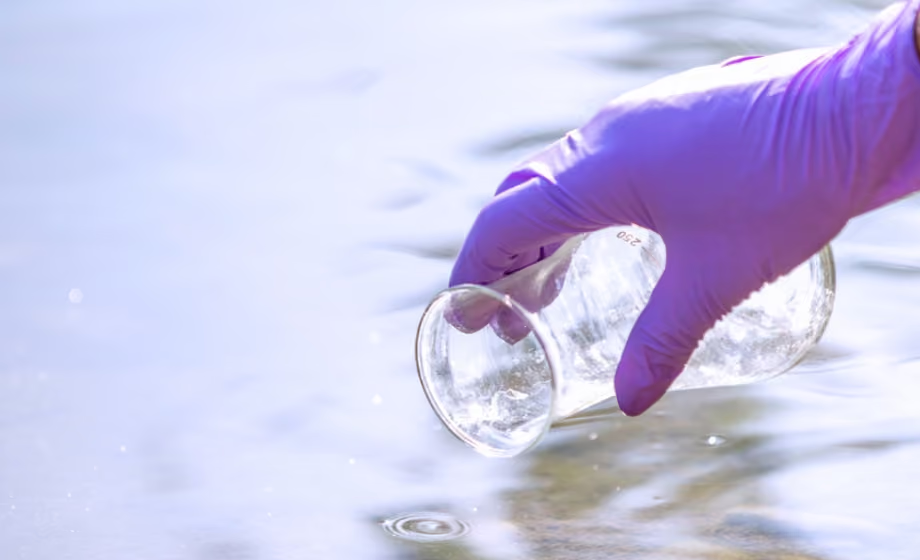
Surface water and treated wastewater contain a complex mixture of pesticides, pharmaceuticals, industrial compounds, and personal care-products. This presents a formidable challenge for traditional water quality evaluation methods, which rely on examining the concentration of selected chemicals and comparing them to known toxicologic effects. This targeted chemical analysis falls short in capturing the full scope of contamination, especially when faced with the presence of unknown substances.
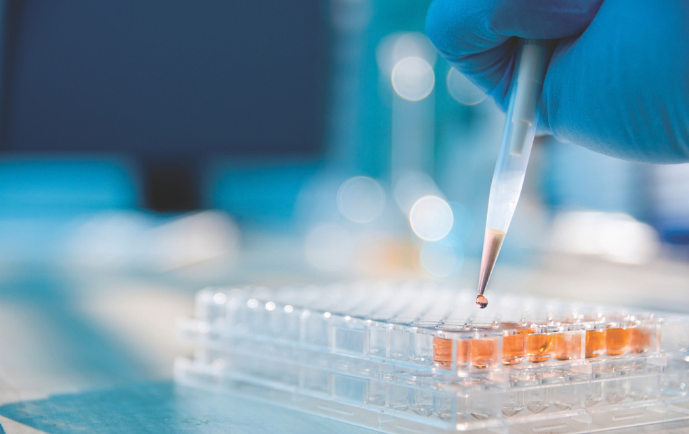
As a result, effect‚Äêbased methods (EBMs) such as cell-based bioassays are cited as a tool for screening for bioactivity to assess water safety by the U.S. EPA for water quality monitoring. EBMs can detect the effect of all known and unknown chemicals in a sample extract and can account for mixture effects. Many in vitro bioassays, particularly mammalian reporter gene assays, are highly sensitive by design and can detect effects in relatively clean waters. But how to differentiate between an acceptable and an unacceptable response observed in EBMs?
This is where effect‚Äêbased trigger values (EBTs) come in. EBTs are available for assays indicative of specific receptor‚Äêmediated effects, such as the estrogen or androgen receptors, and have been developed for both drinking water and surface water to protect human and ecological health.
In this webinar, we explore a comprehensive approach to water quality assessment that incorporates both chemical analysis and bioassays with their corresponding EBTs. Join us to discover how sensitive cell-based bioassays can revolutionize routine water quality monitoring and offer insights that traditional chemical analysis alone cannot provide.
Featuring Insights from

Jack Vanden Heuvel
PhD
Dr. Vanden Heuvel is a recognized expert in the field of nuclear receptor biology and toxicology with over 100 peer-reviewed publications. In addition to his role as Founder and Chief Scientific Officer at INDIGO Biosciences, Dr. Vanden Heuvel is a Professor of Molecular Toxicology at Penn State University.
Sponsored by
INDIGO Biosciences
In Partnership with

Scientist.com
Scientist.com is the world’s largest and first platform built for the intricacies of scientific outsourcing.
We help pharmaceutical and biotechnology organizations discover, engage, manage, and scale relationships with the providers that support every stage of the pipeline—from discovery and preclinical research to clinical development, manufacturing, medical affairs, and commercialization. Through a centralized platform, organizations can access a global network of 6,000+ providers, streamline sourcing and procurement workflows, maintain compliance, manage supplier relationships, and leverage data-driven insights to make faster, more informed decisions.
Today, Scientist.com supports more than 130 life science organizations, including 24 of the world's top 30 pharmaceutical companies, helping teams reduce operational complexity, accelerate timelines, and bring innovations to patients faster. Our mission is to make it possible to cure all human disease by 2050.






.avif)