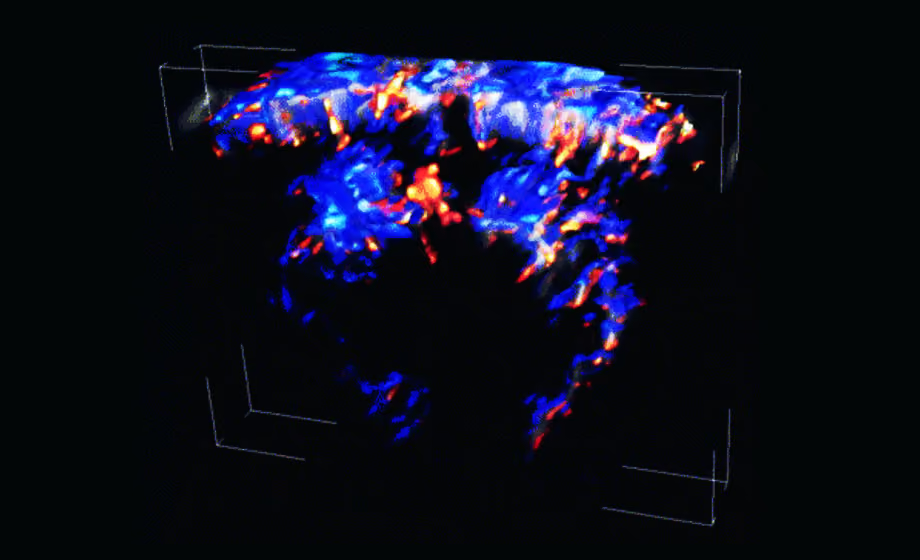
Andrew G. Taylor, PhD provides an overview of processes by which drugs are metabolized and discusses the importance of drug metabolism and drug-drug interaction studies.
Drug metabolism and drug-drug interaction (DDI) studies often take a back seat to toxicity studies when preparing for an IND. Cross-species metabolite identification and plasma protein binding are typically considered sufficient for an IND. However, benefits to drug development efficiency and expense along with modern regulatory expectations are causing many to look deeper earlier.
Metabolism studies, often referred to as ADME (Absorption, Distribution, Metabolism, Excretion), can help bridge in vivo data to clinical outcomes. Furthermore, guidance documents from regulatory bodies indicate that DDI studies should be done before clinical studies to ensure that drug will not only be effective in the therapeutic manner prescribed, but also be safe and not bring any undo harm to patients. If you are involved in the development of potential new therapeutics, this discussion will help you gain necessary knowledge to inform your drug development decisions.
Featuring Insights from

Andrew G. Taylor
PhD
Dr. Andrew G. Taylor received his Ph.D. from University of California San Diego. He joined XenoTech as a research scientist in 2017, serving as a Study Director in nonclinical drug interaction contract studies compliance with Good Laboratory in Practices (GLP), OECD Principles of GLP, &/or Japan MOHW GLP Standards and specializing in drug transport and drug metabolism studies. He became the Technical Support Manager for services in 2020 and provides valuable guidance to ensure research needs are being met.
Sponsored by
XenoTech
In Partnership with
Scientist.com
Scientist.com is the world’s largest and first platform built for the intricacies of scientific outsourcing.
We help pharmaceutical and biotechnology organizations discover, engage, manage, and scale relationships with the providers that support every stage of the pipeline—from discovery and preclinical research to clinical development, manufacturing, medical affairs, and commercialization. Through a centralized platform, organizations can access a global network of 6,000+ providers, streamline sourcing and procurement workflows, maintain compliance, manage supplier relationships, and leverage data-driven insights to make faster, more informed decisions.
Today, Scientist.com supports more than 130 life science organizations, including 24 of the world's top 30 pharmaceutical companies, helping teams reduce operational complexity, accelerate timelines, and bring innovations to patients faster. Our mission is to make it possible to cure all human disease by 2050.







.avif)