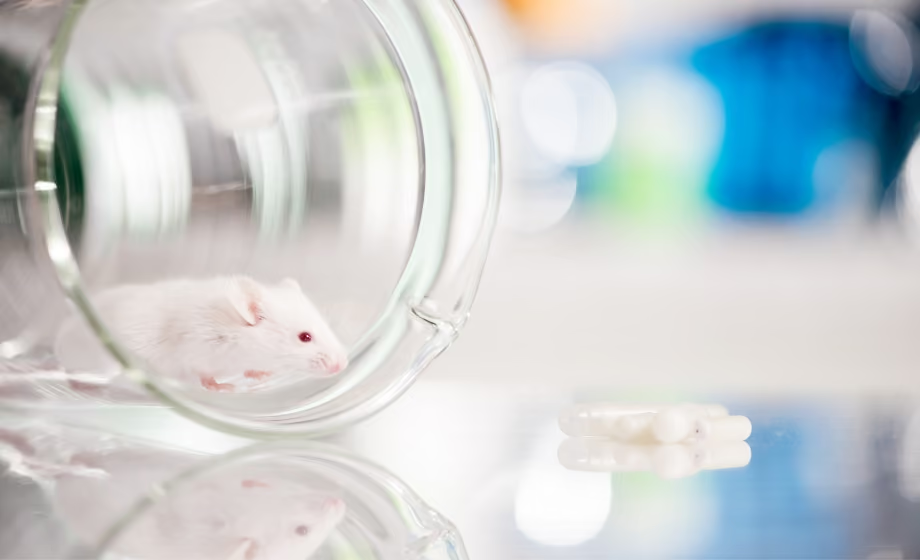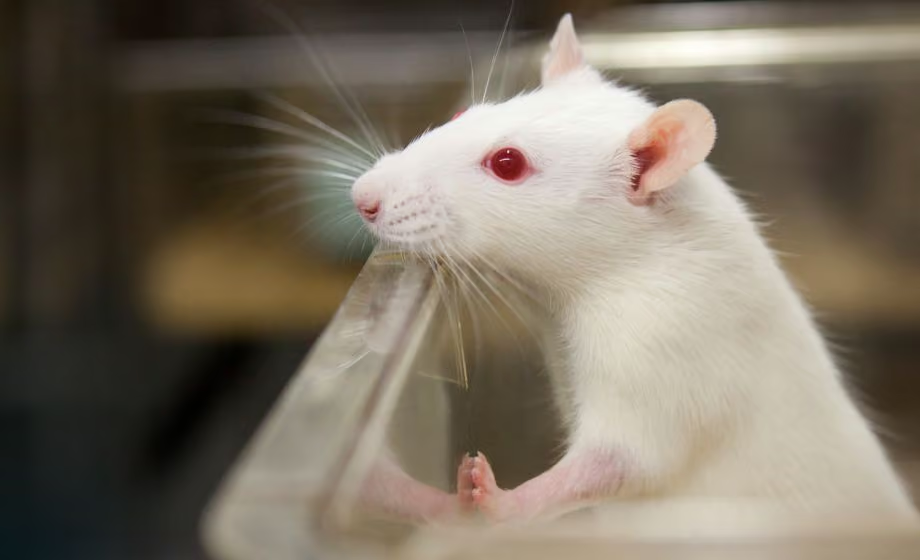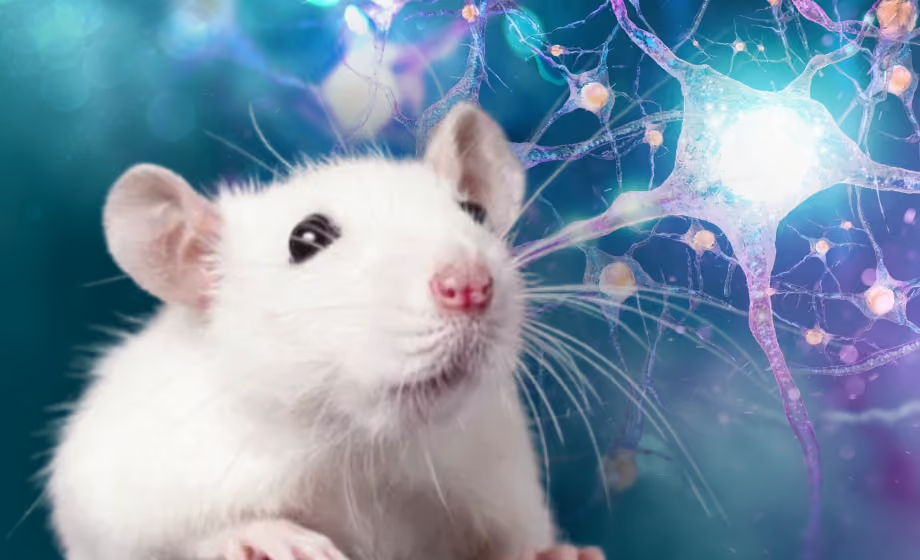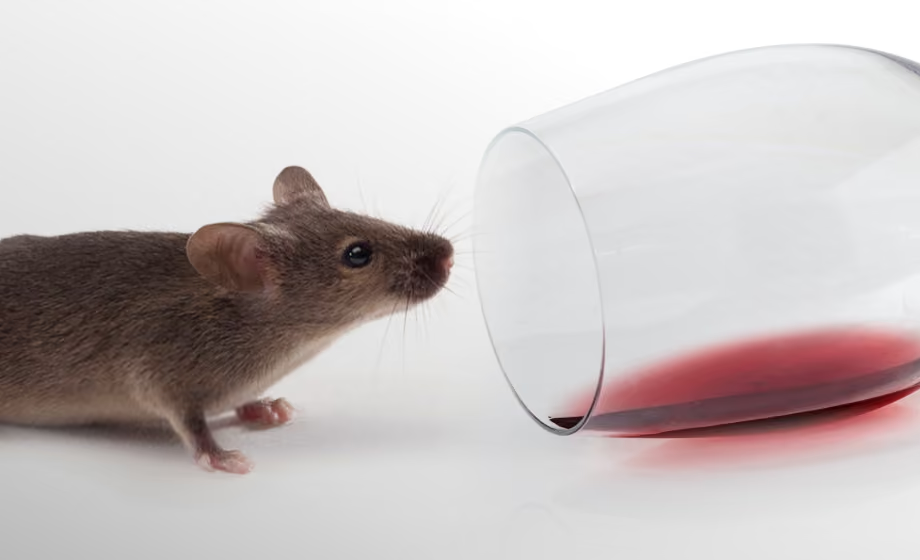
Dr. Gilles Martin discusses the cellular basis and reward pathways behind binge drinking behavior and alcohol abuse in rodent models.
The National Institute of Alcohol Abuse and Alcoholism defines binge drinking as a pattern of alcohol consumption that rapidly brings blood alcohol concentration to intoxicating levels of 0.08% (i.e. 0.08 grams of alcohol per deciliter) or higher. For a typical adult, this pattern corresponds to consuming about 4 or 5 drinks in 2 hours. This form of consumption affects primarily late adolescents and young adults. Because the brain of individuals in this age group is still developing, it is highly susceptible to the detrimental effects of repeated alcohol consumption on behavior.
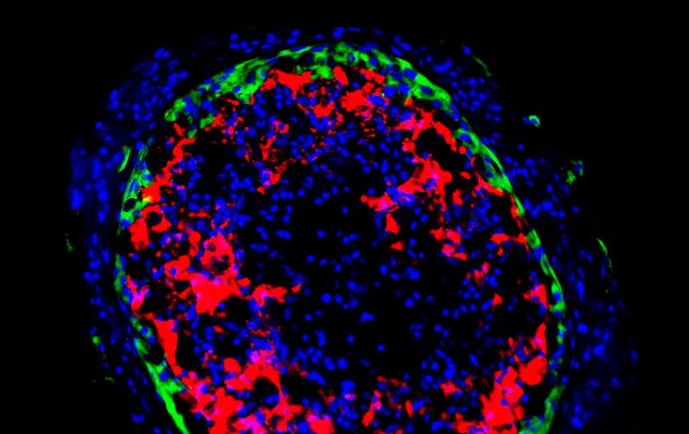
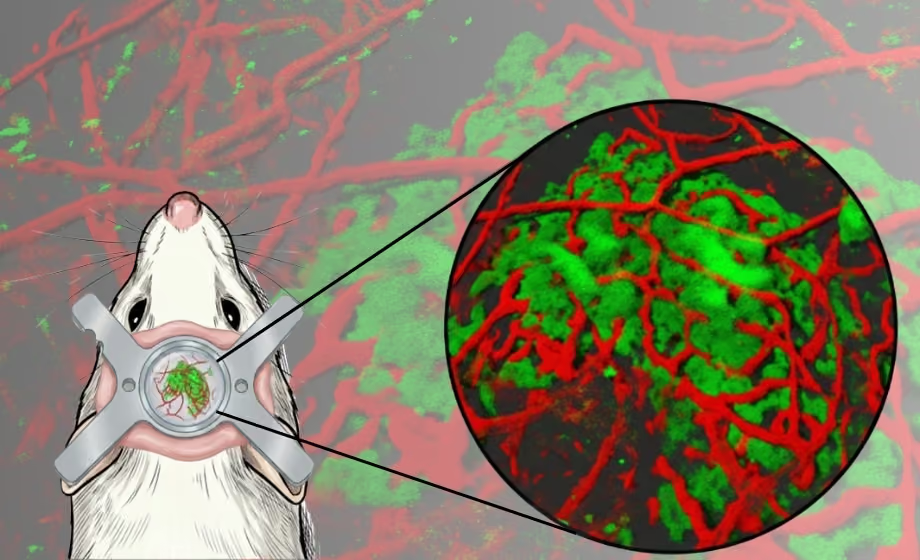
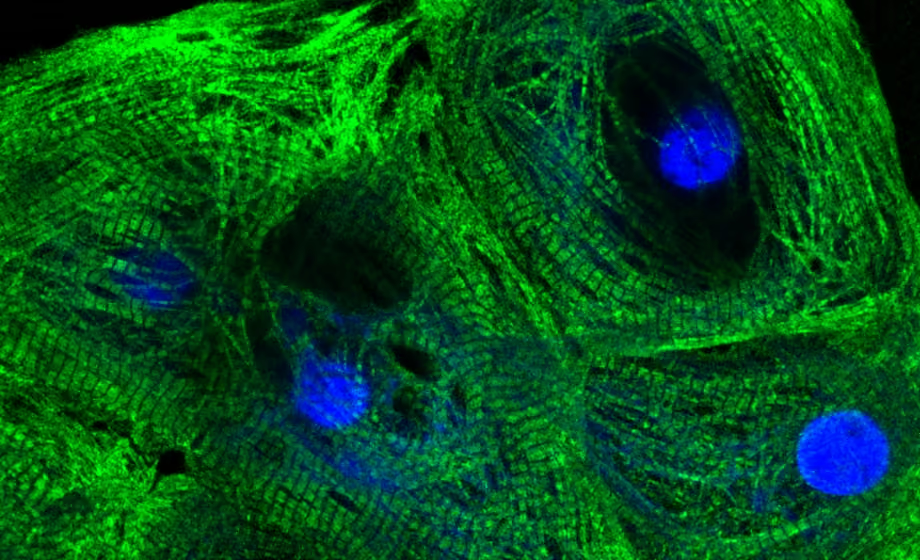
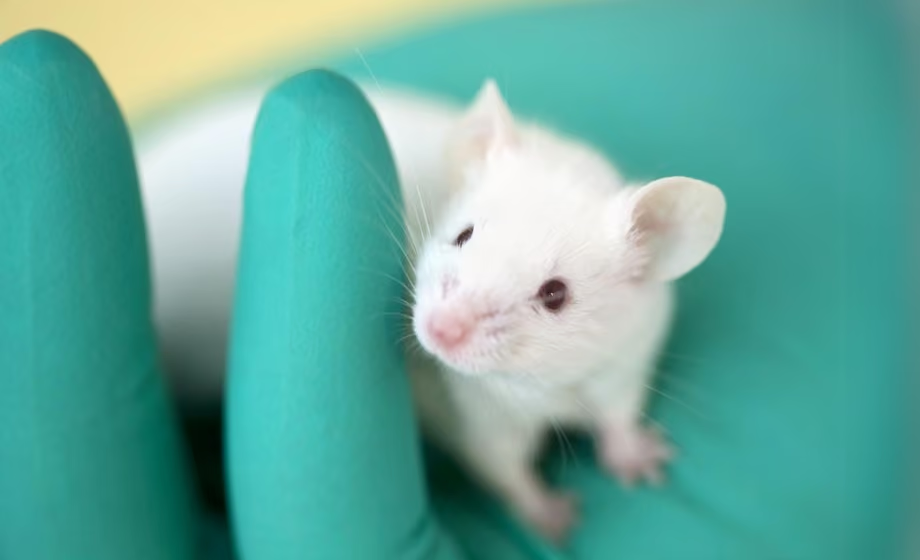
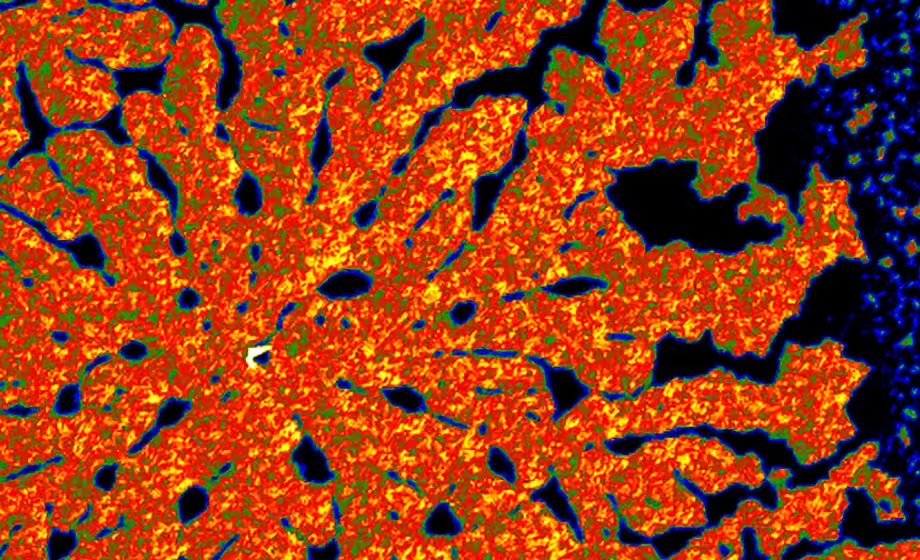
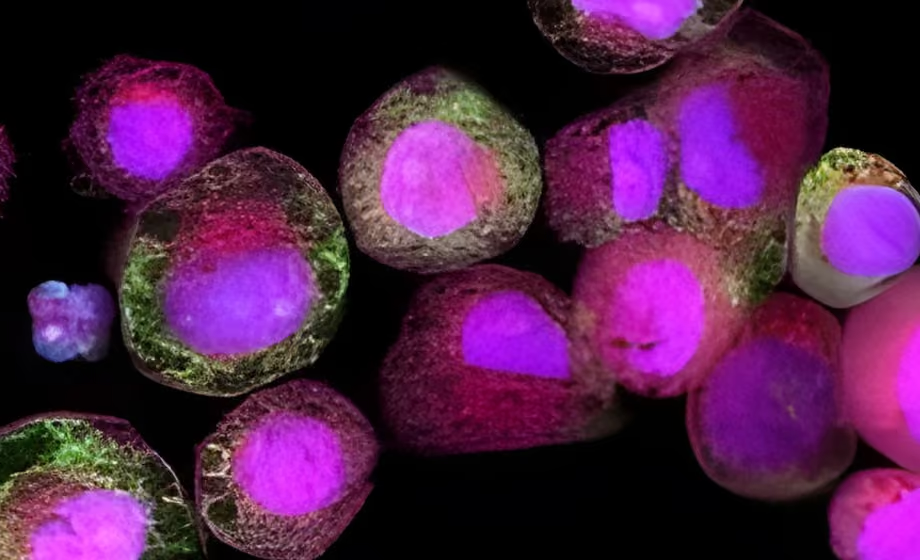
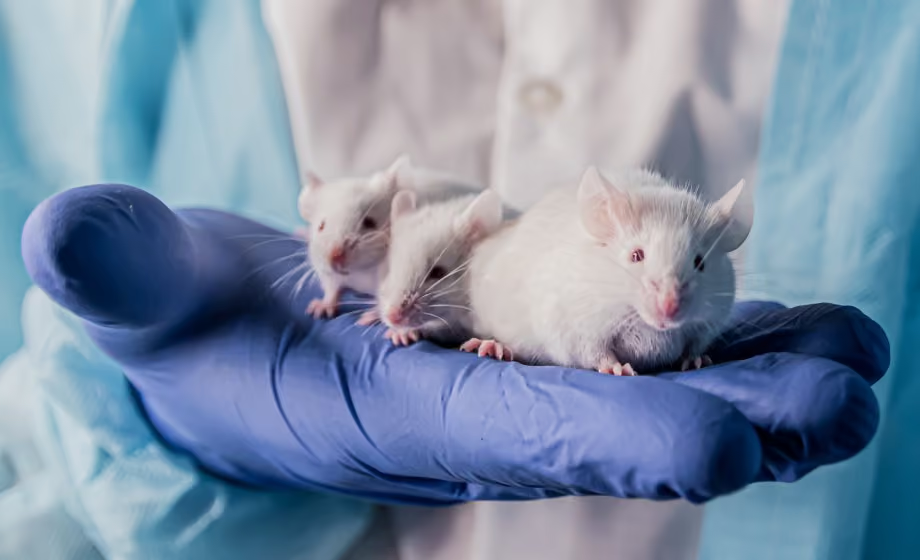
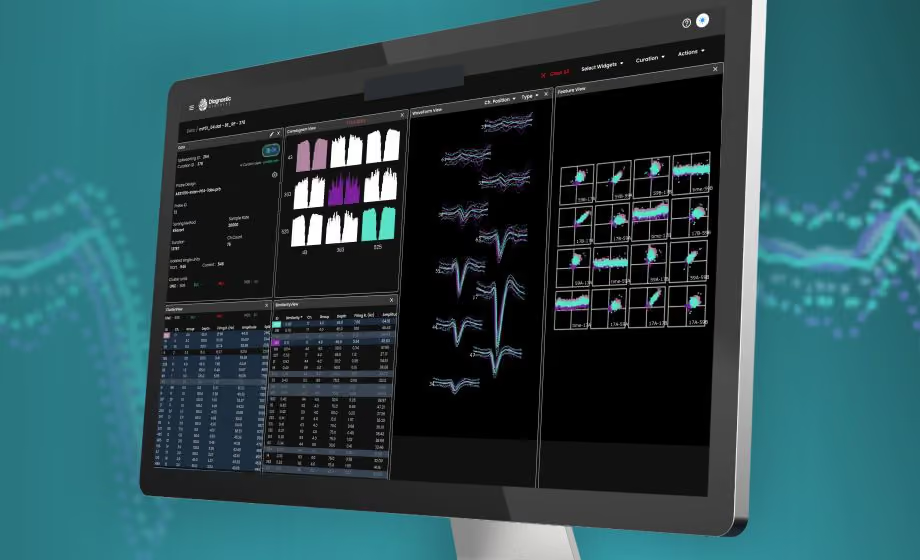
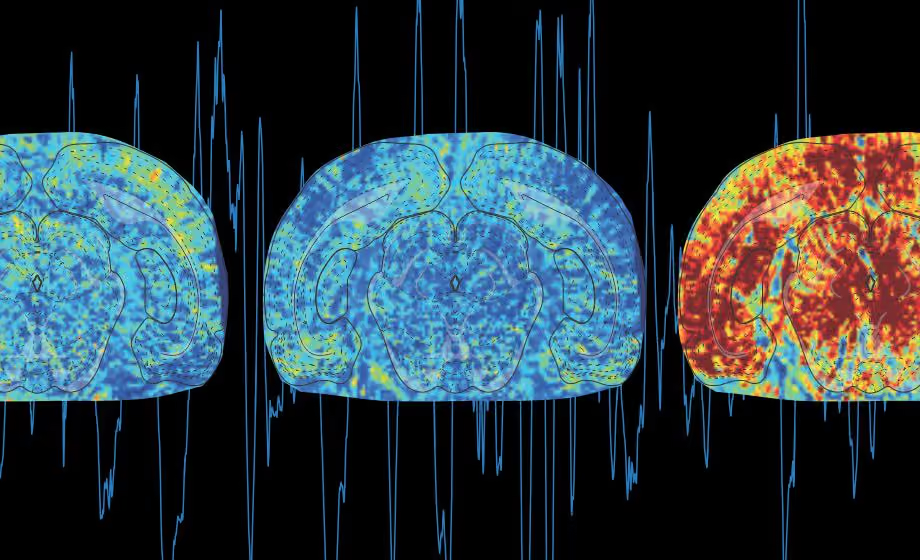
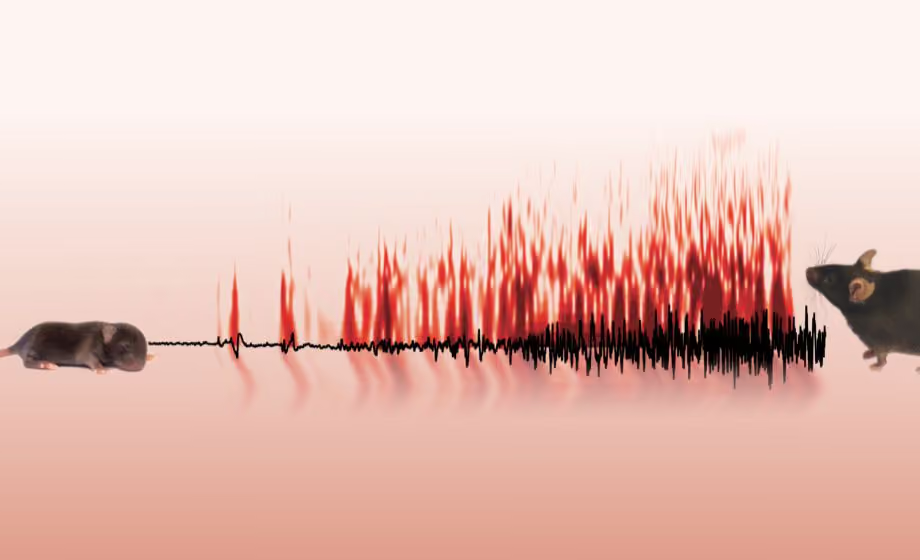
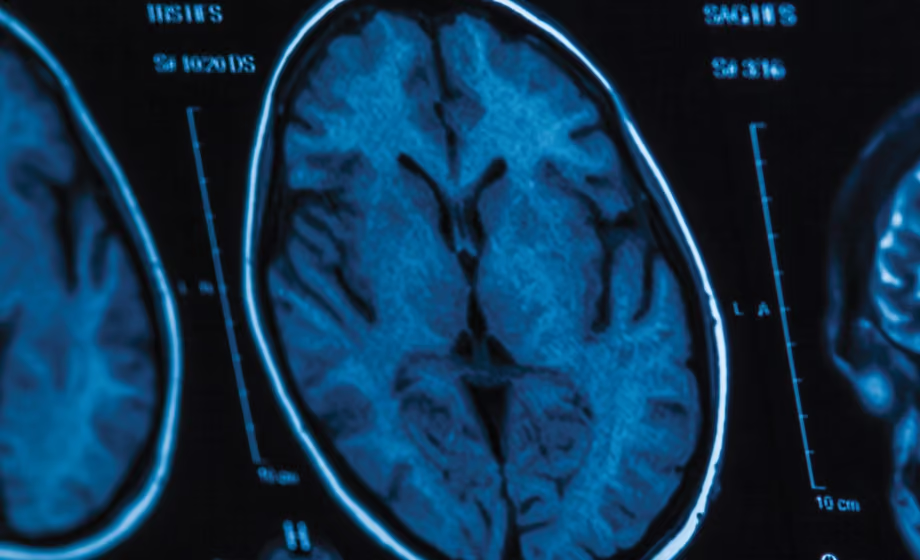
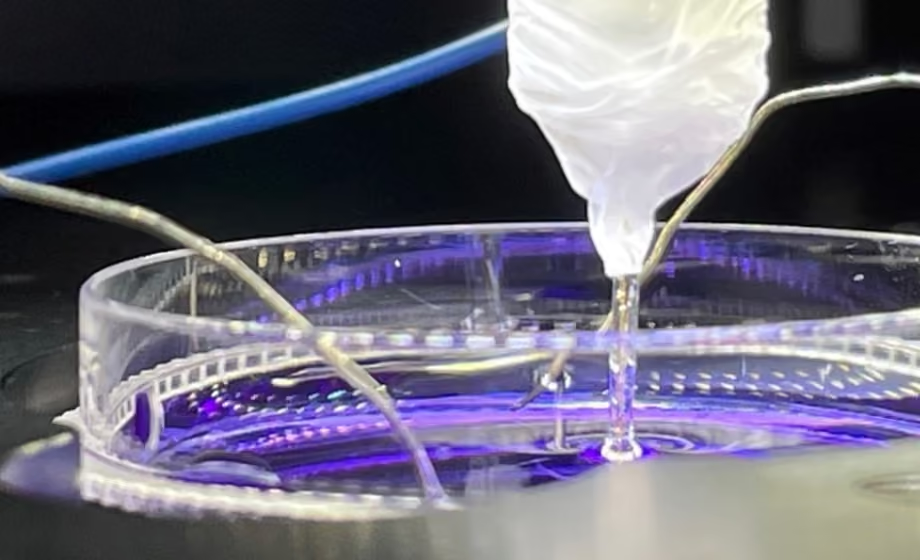
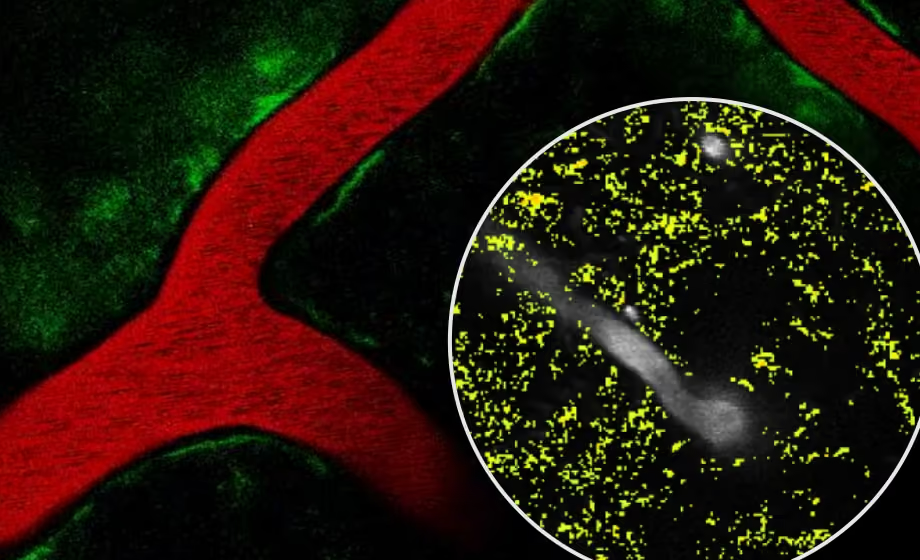
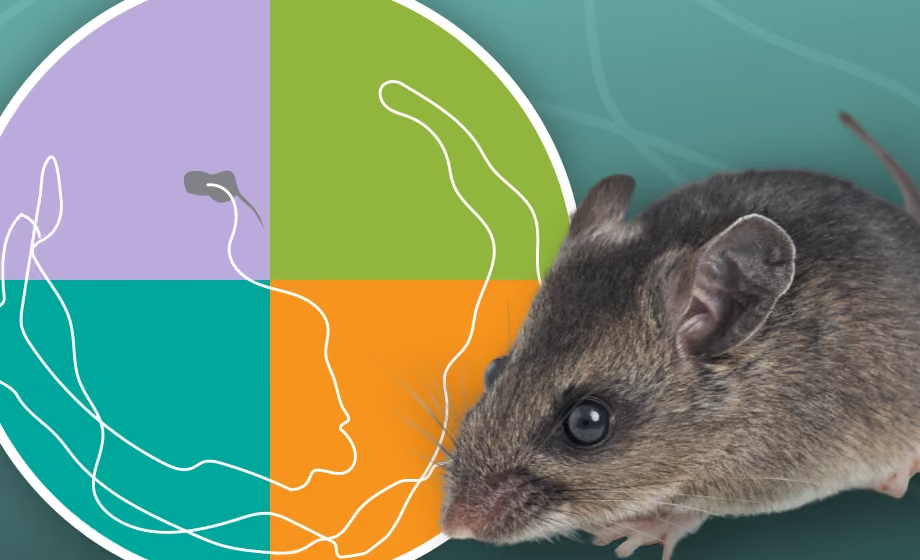
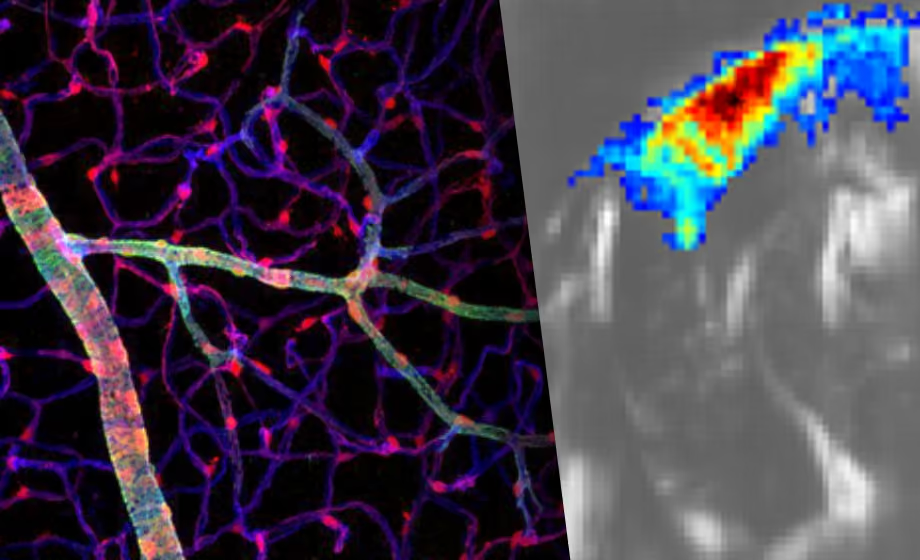
In this webinar, Dr. Gilles Martin discusses the physiology of the nucleus accumbens, a forebrain region believed to mediate the rewarding properties of all drugs of abuse, including alcohol. He examines the cellular mechanisms through which binge drinking alters the neuronal excitability of medium spiny neurons, the only projecting neurons in this brain region that control behavior. In addition, Dr. Martin presents the combination of techniques used in his laboratory for this research, including in vitro electrophysiological recordings, optogenetics, calcium imaging and behavioral measurement in several transgenic mouse models.
Featuring Insights from

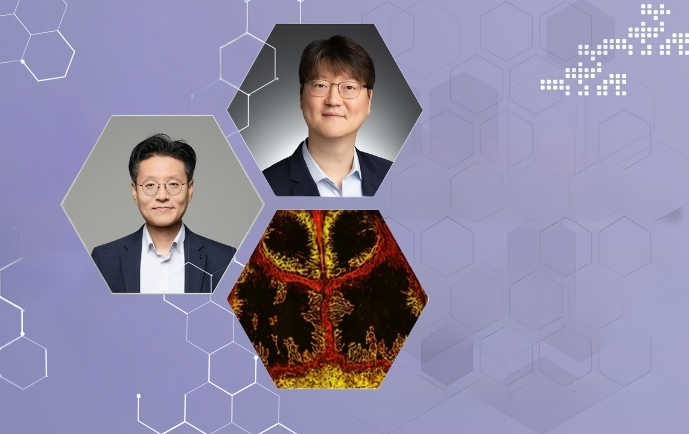
Gilles E Martin
PhD
Dr. Gilles Martin's research focuses on understanding how binge drinking alters the physiology of the nucleus accumbens, a brain region responsible for alcohol rewarding properties and addiction. His lab combines a variety of techniques to to study alcohol abuse at the cellular and behavioral levels including patch-clamp recording, in vivo and in vitro optogenetics, behavioral assays and in vivo imaging.
Sponsored by