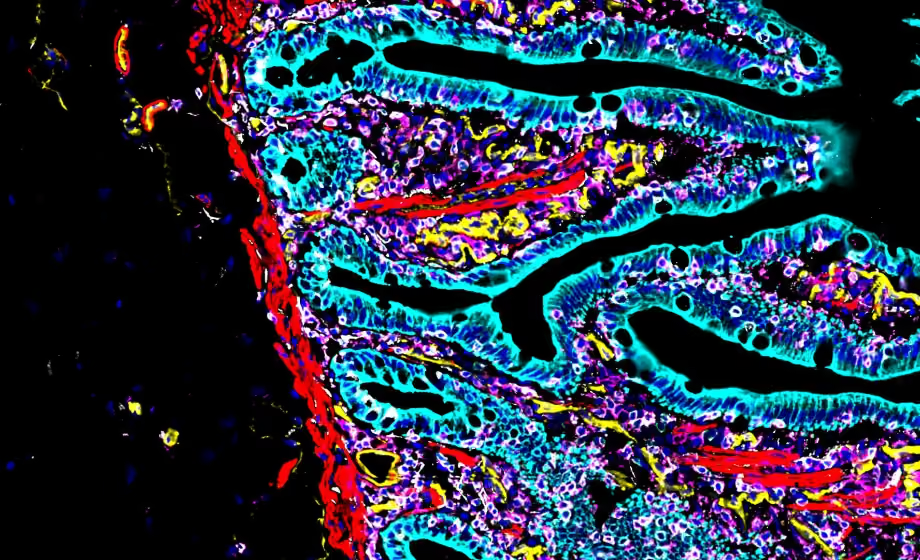
Dr. Jerrold Turner discusses the barrier function of the intestine, how the permeability of tight junctions in the gut epithelium is modulated, and the impact of this modulation on homeostasis and health.
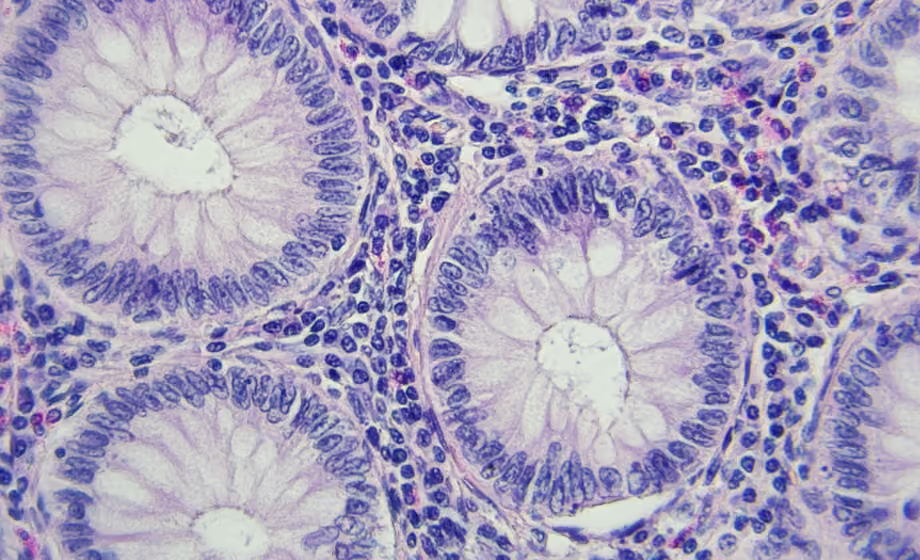
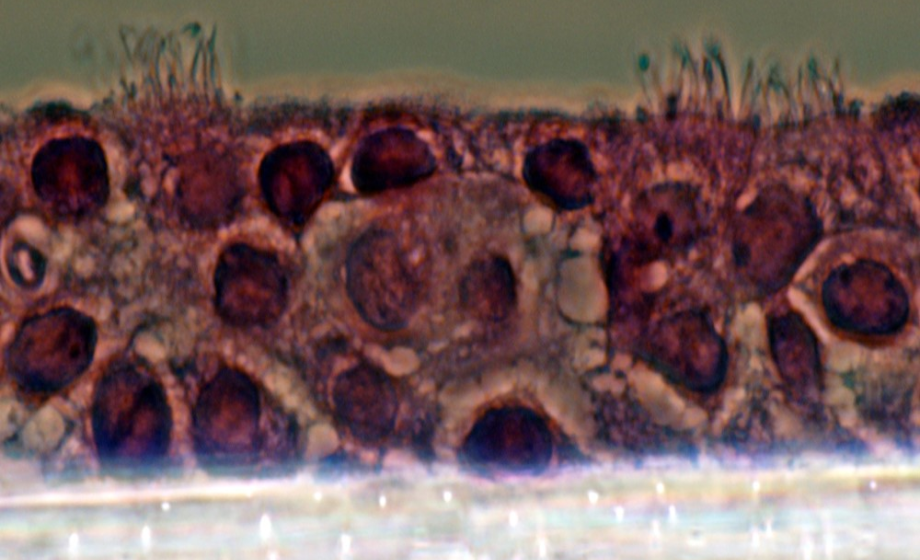
Mucosal surfaces are lined by epithelial cells. In the intestine, the epithelium separates, and therefore regulates interactions between the immune system and luminal materials, including dietary antigens and microbes. In the absence of specific transporters, epithelial cell membranes are nearly impermeant to hydrophilic materials. However, the ultimate success of the barrier depends on the ability of epithelial cells to prevent unrestricted paracellular flux across the shunt pathway. Intercellular tight junctions form selectively-permeable seals that mediate paracellular flux.
The biophysical characteristics of these tight junction seals are modulated during development and by physiological stimuli, immune cell signaling, and enteric pathogens. In turn, tight junction selective permeability modifies nutrient transport, mucosal immune tone, and pathogen clearance. Recent advances have shed new light on the mechanisms of tight junction regulation and the impact of barrier modulation on mucosal homeostasis and health, pathogenic progression, and resolution of disease.
Featuring Insights from

Jerrold R. Turner
MD, PhD
Dr. Jerrold Turner is a physician-scientist who has made and continues to make contributions to our understanding of epithelial and mucosal biology and gastrointestinal pathophysiology and is an active as an educator, mentor, surgical pathologist, and leader. His interests are focused on how epithelia establish, maintain, and regulate barriers. This fundamental property is essential for survival of multicellular organisms and allows controlled interactions with the external environment and compartmentalization of distinct tissues. The structure that maintains these barriers and regulates flux between cells is the tight junction. The primary goal of his laboratory is to understand the biology of the tight junction. They take a multidisciplinary approach that integrates cell and developmental biology, transport physiology, electrophysiology, structural biology, molecular biology, and mucosal immunology to define fundamentals of structure and function; understand mechanisms of regulation in vitro and in vivo models; determine the contributions of barrier dysfunction to gastrointestinal disease; understand the role of the epithelial barrier in regulating other mucosal processes, e.g. immune responses; and develop novel means to correct barrier function and restore health.
In Partnership with

American Physiological Society
Founded in 1887, the American Physiological Society is a global leader in expanding knowledge related to biological function. We connect a multidisciplinary community of nearly 10,000 scientists and educators from around the world, driving collaboration and spotlighting scientific discoveries in physiology and related disciplines. Our members are advancing treatments and cures for everything from cancer and heart disease, to obesity and addiction. They are also deepening our insight into living organisms generally, helping us to better understand how things like climate change are affecting the world around us.

Autoimmune Association
How we do it?
The Autoimmune Association office is in Eastpointe, Michigan just outside of Detroit. We are a small, dedicated team and we work hard to achieve our mission. Every patient matters to us. Every donation is treated with the utmost respect, and we greatly appreciate contributions in every size and shape.
Our office space was once a physician’s office. Where patients once were treated, we now work to ensure autoimmune patients have the resources and knowledge for their own treatments as well as advance awareness and research into autoimmune diseases.- We help autoimmune disease patients all over the world by connecting them to resources and information
- We hold awareness walks around the country throughout the year
- Our Facebook page has the latest on research and other autoimmune disease news
Ask anyone with an autoimmune disease, and they will tell you how frustrating it is.
With over a hundred autoimmune diseases, impacting approximately one in five people, you more than likely know several people fighting against one or more autoimmune disease. Right from the beginning when trying to get a diagnosis, patients can often be seen by multiple doctors and specialists over the course of several years before starting treatment and getting relief from their disease. Then comes the battle of fighting a chronic illness, and the costs associated with adequate care. This is unacceptable. The Autoimmune Association’s goal is to increase research by scientists for better advancements in the autoimmunity field, and to increase awareness of autoimmune diseases themselves, so that diagnoses are made quicker. Visit autoimmune.org to learn more and donate to the cause





.avif)