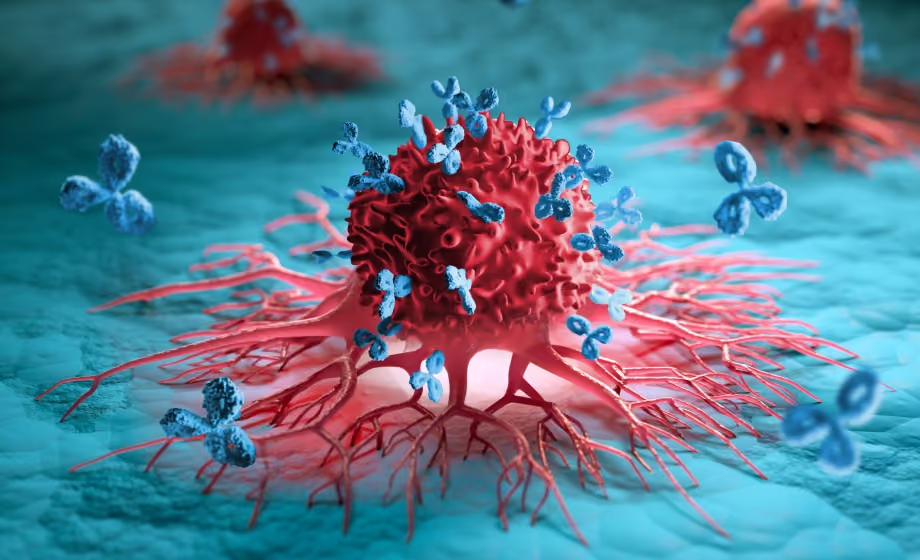
In this webinar, Professor Marcela Maus explains the components and technologies used in making a chimeric antigen receptor (CAR) T cell product, important considerations for efficacy, and underlying mechanisms of toxicity and resistance.
Professor Maus begins this webinar by noting that the field of CAR T cell therapy developed rapidly in 2011, when CAR T cells targeting human CD19 were found to induce antitumor responses in several patients. Several CAR designs have been approved by the Food and Drug Administration in the past decade, while many more are undergoing development and evaluation.
Participants in CAR T cell clinical studies generally consist of patients with relapsed or refractory (r/r) disease who have not responded to multiple regimens of chemotherapy or biologic therapy. In 2017, tisagenlecleucel (tisa-cel) was first approved for pediatric r/r acute lymphoblastic leukemia (ALL) with an overall response rate (ORR) of 83%. Professor Maus notes that some of the newer CAR T cells currently in development have ORRs of higher than 90%.
"CAR T cells . . . I can't . . . emphasize this enough, have really transformed the treatment of patients with hematologic malignancies."
In pediatric patients with r/r ALL, chemotherapy and biologic therapy do not tend to provide a good overall survival (OS). A clinical study of clofarabine in combination with etoposide and cytoxan yielded a median OS of 2.5 months. Biologic therapy with blinatumomab improved the median OS to 7.5 months in a similar patient population, which further increased to 19.1 months following the introduction of tisa-cel.
CAR T cells are living drugs, meaning the administered dose is not the final dose to which patients are exposed. These cells undergo a very rapid expansion in the patient following infusion and will persist for months or even years. For tisa-cel, a 4-1BB-based CAR, long term persistence is important for its function. Interestingly, for brexucabtagene autoleucel (brexu-cel), a CD28-based CAR, the extent of expansion matters more than persistence in terms of its antitumor effect. The attributes and characteristics of CAR T cells strongly influence their activity and clinical profile. In fact, these attributes matter more in predicting responses than tumor genotype or prognostic biomarkers, which Professor Maus remarks is a significant paradigm shift in oncology.
Professor Maus further notes that challenges with CAR T cell therapy differ in liquid and solid tumors. For instance, challenges specific to liquid tumors include high potency, antigen escape, and a lack of persistence. An overlapping challenge in liquid and solid tumors is the identification of tumor-specific targets, although this is more difficult with solid tumors since surface target antigen identification is not part of routine clinical care as it is in patients with liquid tumors. Challenges specific to solid tumors include tumor heterogeneity, suppressive tumor microenvironments (TMEs), and a lack of bioactivity.
In Professor Maus' group, CAR T cell therapy for liquid tumors has employed a proliferation-inducing ligand (APRIL) that binds to both B-cell maturation antigen (BCMA) and transmembrane activator and CAML interactor (TACI). A truncated, trimeric version of APRIL (TriPRIL) is advantageous over a BCMA-based CAR in that it avoids relapse by binding to two antigens at once, increases binding affinity, and avoids immunogenicity using a fully human protein.
For therapy of solid tumors, the Maus group evaluated the efficacy of epidermal growth factor receptor variant III (EGFRvIII)-directed CAR T cells. While CAR T cells were trafficked to the tumor and targeted the EGFRvIII antigen, there was antigen heterogeneity and an increase in the immunosuppressive TME characterized by the infiltration of regulatory T cells (Tregs). Building on this work, a T cell engaging antibody molecule (TEAM) was designed to target a second antigen, thus overcoming the heterogeneity problem and bypassing the infiltrating Tregs. The secreted TEAM could locally target wild type EGFR expressed by the tumors, rapidly clear leakage into peripheral blood, and redirect Tregs with no on-target, off-tumor toxicity.
"Not all CAR T cell products are the same, nor do they behave the same way in all malignancies."
Professor Maus further explains that CARs are modular structures, and so a variety of binding, hinge, transmembrane, co-stimulation, and activation domains can be engineered. For molecular changes, drugs can be added to increase CAR T cell efficacy and sensitize T cells to tumors, as demonstrated by the Maus group with ibrutinib. Gene edits can also be made to change the "background" information of T cells and determine their fate.
The bioactivity of CAR T cells has been extremely impressive to date, both in terms of durability responses and toxicities that can be managed clinically. Biological advances made over the past several years have allowed for the rapid translation of CAR T cell development to clinical trials. Professor Maus remarks that the growing interest in and success of CAR T cell therapies could lead to their use as a first-choice cancer treatment in the future.
Webinar Highlights
- Methods of engineering CAR T cells
- Classes of CAR T cells and their mechanisms of action
- How living drugs are used in cancer treatments
- Predicting patient responses with CAR T cell attributes
- Varying CAR T cell components to determine their clinical activity
Featuring Insights from
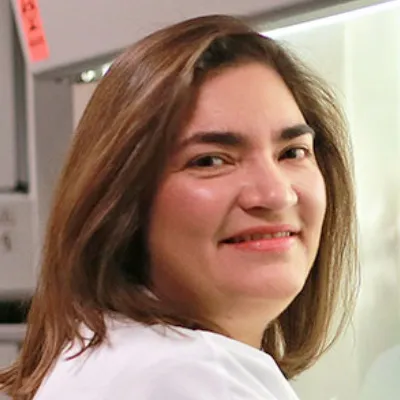
Marcela V. Maus
MD, PhD
The Maus laboratory is interested in using genetic engineering techniques to re-direct T cells to find and kill tumor cells, while sparing healthy tissues. They aim to develop new ways to design molecular receptors to target T cells to liquid and solid tumors; use T cells as delivery vehicles for other drugs, and use drugs to help T cells work against tumors; and understand how T cells can work as “living drugs” to treat patients with cancer. The Maus Lab focuses on T cell biology and T cell engineering. Chimeric antigen receptors (CARs) are synthetic molecules designed to re-direct T cells to specific antigens. Re-directing T cells with CARs is an alternative method of overcoming tolerance, and has shown great promise in the clinical setting for B cell malignancies such leukemia and lymphoma. However, successful application of this form of therapy to other cancers is likely to require refinements in the molecular and clinical technologies. The goal of the Maus lab is to design and evaluate next generation genetically-modified T cells as immunotherapy in patients with cancer.
Sponsored by

ALZET
In Partnership with
American Physiological Society
Founded in 1887, the American Physiological Society is a global leader in expanding knowledge related to biological function. We connect a multidisciplinary community of nearly 10,000 scientists and educators from around the world, driving collaboration and spotlighting scientific discoveries in physiology and related disciplines. Our members are advancing treatments and cures for everything from cancer and heart disease, to obesity and addiction. They are also deepening our insight into living organisms generally, helping us to better understand how things like climate change are affecting the world around us.
Autoimmune Association
How we do it?
The Autoimmune Association office is in Eastpointe, Michigan just outside of Detroit. We are a small, dedicated team and we work hard to achieve our mission. Every patient matters to us. Every donation is treated with the utmost respect, and we greatly appreciate contributions in every size and shape.
Our office space was once a physician’s office. Where patients once were treated, we now work to ensure autoimmune patients have the resources and knowledge for their own treatments as well as advance awareness and research into autoimmune diseases.- We help autoimmune disease patients all over the world by connecting them to resources and information
- We hold awareness walks around the country throughout the year
- Our Facebook page has the latest on research and other autoimmune disease news
Ask anyone with an autoimmune disease, and they will tell you how frustrating it is.
With over a hundred autoimmune diseases, impacting approximately one in five people, you more than likely know several people fighting against one or more autoimmune disease. Right from the beginning when trying to get a diagnosis, patients can often be seen by multiple doctors and specialists over the course of several years before starting treatment and getting relief from their disease. Then comes the battle of fighting a chronic illness, and the costs associated with adequate care. This is unacceptable. The Autoimmune Association’s goal is to increase research by scientists for better advancements in the autoimmunity field, and to increase awareness of autoimmune diseases themselves, so that diagnoses are made quicker. Visit autoimmune.org to learn more and donate to the cause








.avif)