Webinar Summary
- The activation of the MAPK signaling pathway, specifically ERK1/2 phosphorylation (p-ERK), is identified as a predictive biomarker for longer overall survival in recurrent glioblastoma (eGBM) patients undergoing PD-1 blockade
- High p-ERK tumors in rGBM present a distinct myeloid cell phenotype with elevated MHC class II expression, signifying a connection between MAPK pathway activation and the immune microenvironment
- The implementation of p-ERK as a predictive biomarker in clinical settings requires further validation and exploration of variables impacting its evaluation
Recurrent glioblastoma (rGBM) has displayed a varied response to anti-PD-1 immunotherapy, necessitating the identification of predictive biomarkers. Through extensive analyses and 3 clinical studies, we have identified that activation of the MAPK/ERK signaling pathway, particularly ERK1/2 phosphorylation (p-ERK), is associated with longer overall survival (OS) in rGBM patients receiving PD-1 blockade. Initially, enrichment of BRAF/PTPN11 mutations was reported in 30% of responsive rGBM patients, prompting the investigation of p-ERK as a potential marker beyond these mutations.
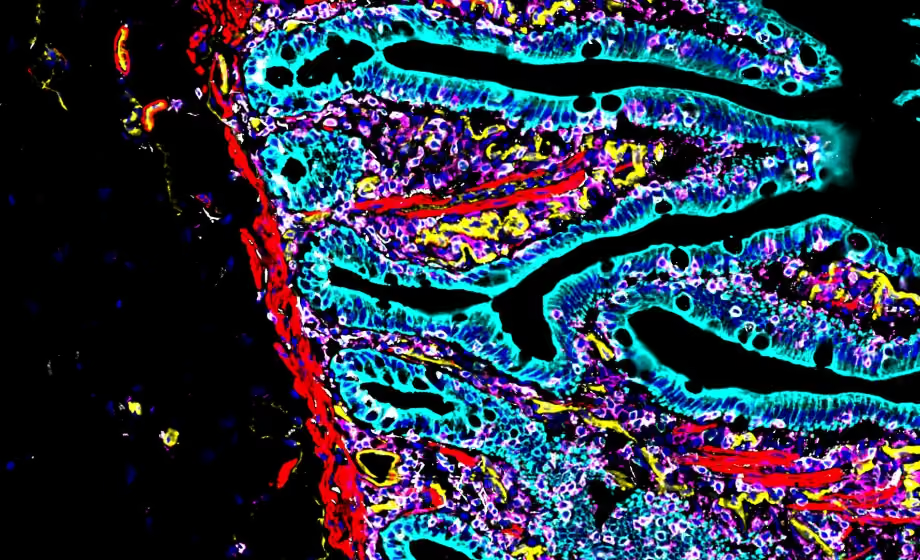
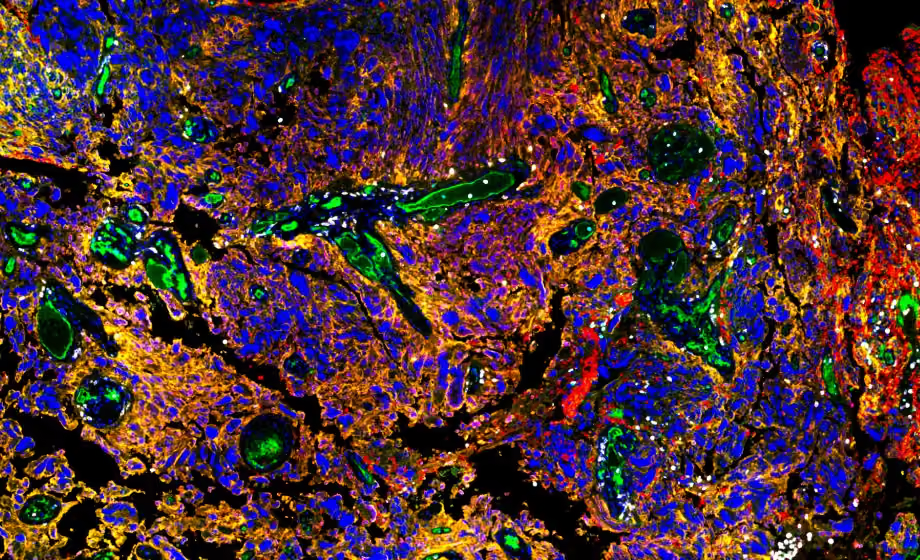
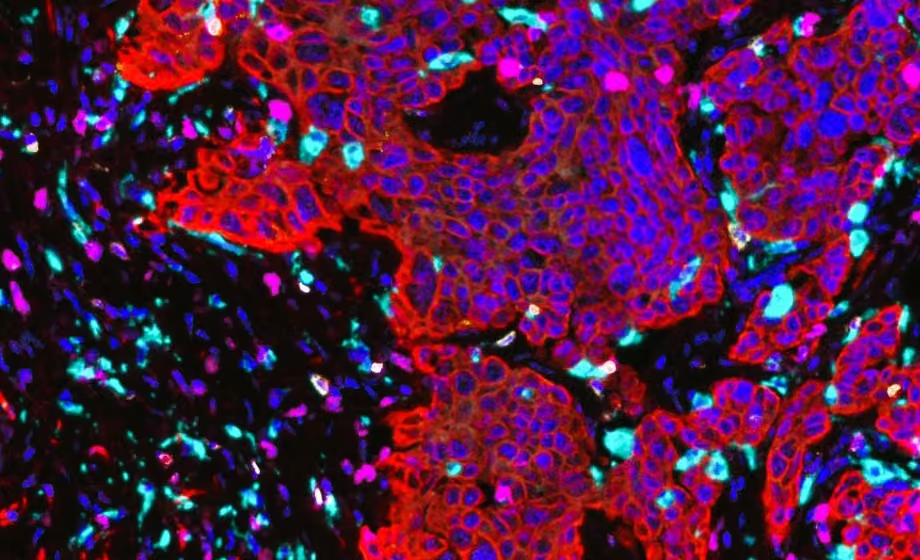
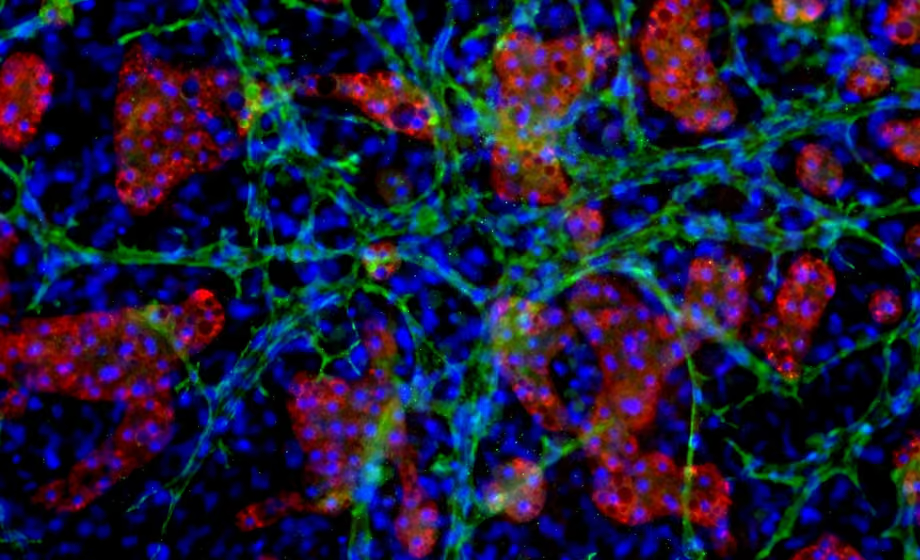
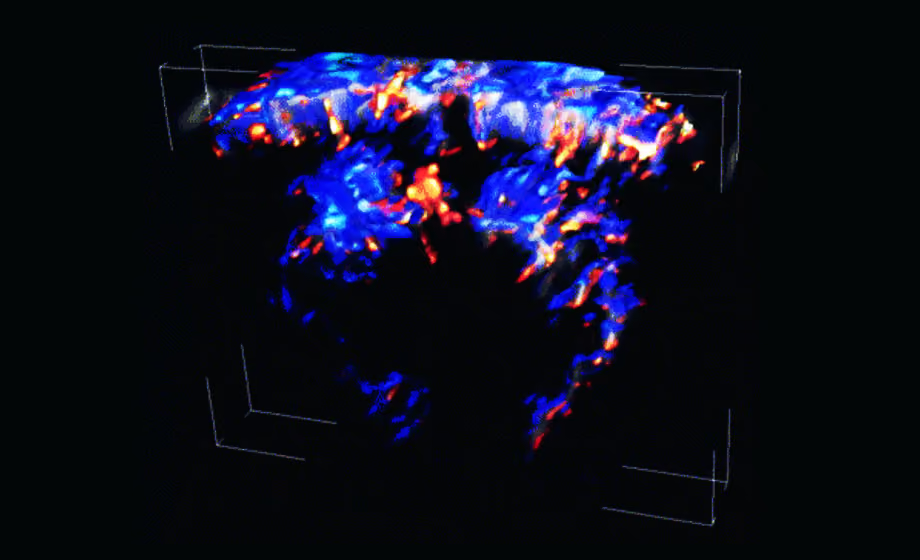
Our research has unraveled an association between p-ERK abundance and better clinical outcomes following PD-1 blockade, with p-ERK mainly localized in tumor cells. Notably, high p-ERK GBMs contained unique microglia and macrophage phenotypes with elevated MHC class II expression, suggesting a novel interplay between MAPK activation and the tumor immune microenvironment.
While these insights establish a pivotal role for p-ERK in predicting PD-1 blockade response in rGBM, the implementation in clinical settings calls for further validation and accuracy. Nonetheless, these findings pave the way for more personalized and effective immunotherapy strategies, emphasizing the significance of the tumor microenvironment and its interaction with therapeutic interventions in GBM.
Featuring Insights from

Víctor Andrés Arrieta
MD, PhD
Víctor Andrés Arrieta González is a medical and scientific professional from Acapulco, Guerrero, Mexico. He was enrolled in the inaugural M.D./Ph.D. program at the National Autonomous University of Mexico (UNAM). During his medical and scientific training, Víctor Arrieta completed clinical rotations in several hospitals across Mexico City and Graz, Austria, in addition to working in various laboratories in Mexico and the USA. After acquiring his MD, Víctor embarked on his Ph.D. journey at Northwestern University in Chicago, where he contributed to pioneering research on biomarkers for immunotherapy in glioblastoma under the guidance of Dr. Adam Sonabend. Currently, Víctor works as a postdoctoral scientist at the Department of Neurosurgery of Northwestern University. He is not only focused on his research but is also actively pursuing a master’s degree in Health and Biomedical Informatics at Northwestern University. Víctor’s research interest lies at the intersection of immunology, oncology, bioinformatics, and neurosurgery. He has a translational perspective that includes studies of immunotherapies for GBM patients, exploring DNA replication stress as a mechanism of anticancer therapies for gliomas, and devising innovative neurosurgical strategies to deliver therapies into the brain for the treatment of gliomas. His goal is to become a neurosurgeon-scientist with a strong emphasis on brain tumors.
Sponsored by
Akoya Biosciences
In Partnership with
Scientist.com
Scientist.com is the world’s largest and first platform built for the intricacies of scientific outsourcing.
We help pharmaceutical and biotechnology organizations discover, engage, manage, and scale relationships with the providers that support every stage of the pipeline—from discovery and preclinical research to clinical development, manufacturing, medical affairs, and commercialization. Through a centralized platform, organizations can access a global network of 6,000+ providers, streamline sourcing and procurement workflows, maintain compliance, manage supplier relationships, and leverage data-driven insights to make faster, more informed decisions.
Today, Scientist.com supports more than 130 life science organizations, including 24 of the world's top 30 pharmaceutical companies, helping teams reduce operational complexity, accelerate timelines, and bring innovations to patients faster. Our mission is to make it possible to cure all human disease by 2050.











.avif)