Join our webinar to discover how FUJIFILM's iPSC-derived neuronal-glia co-culture system can advance your neurodegenerative disease research!
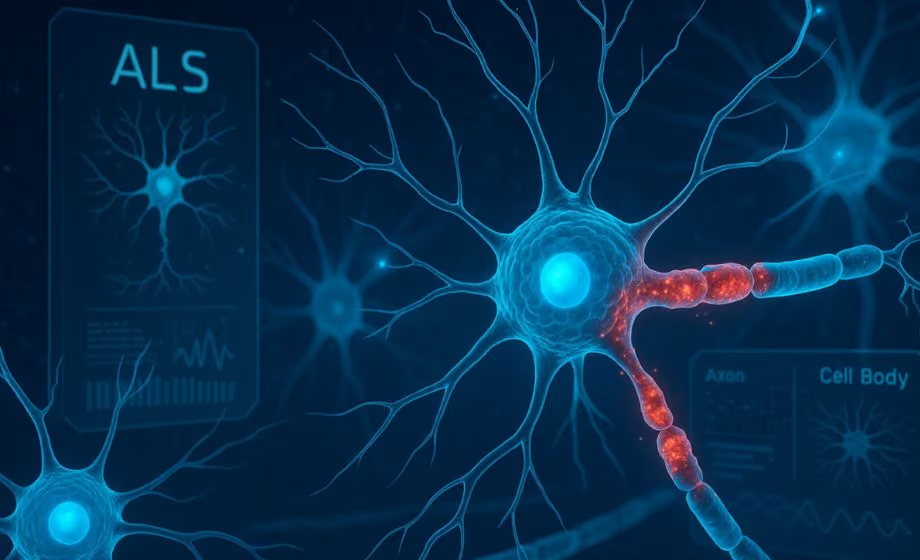
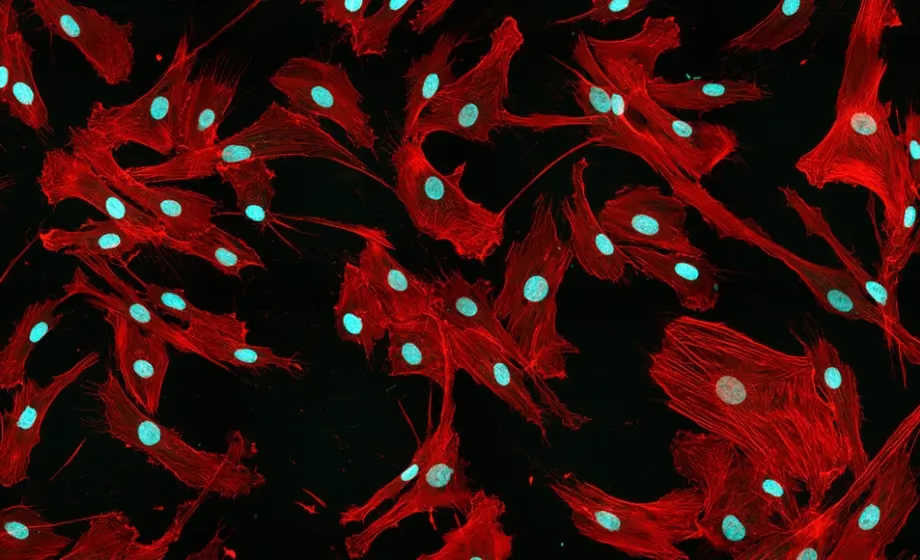
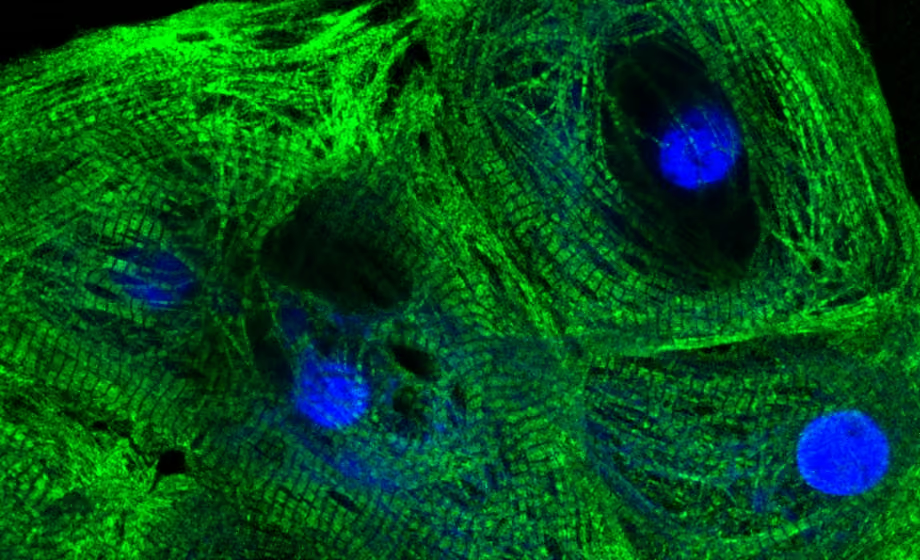
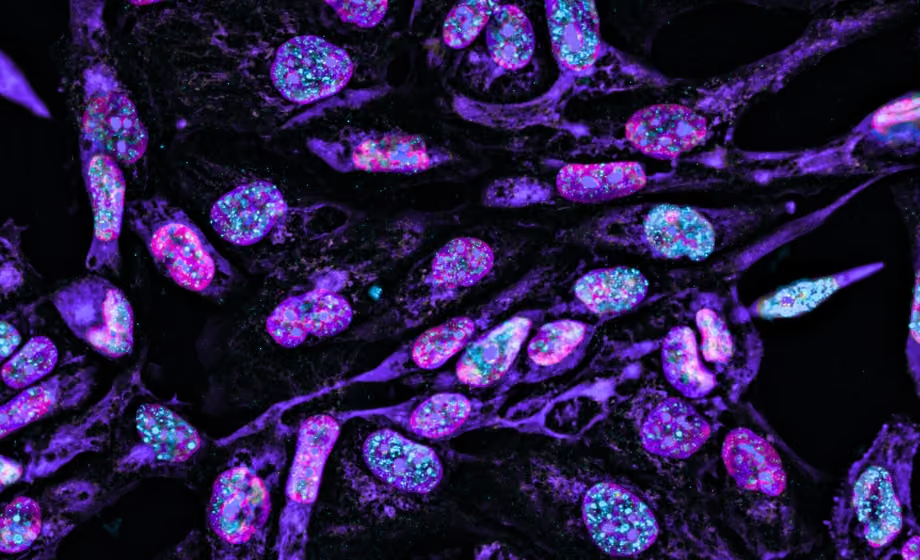
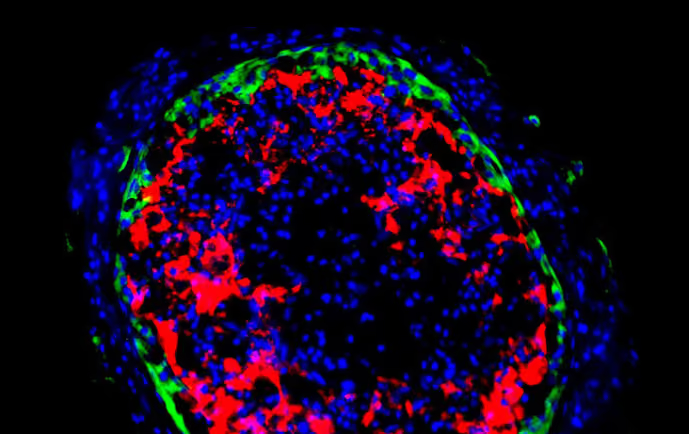
The central nervous system (CNS) consists of neurons and glia, including microglia and astrocytes. When astrocytes are activated by microglia, they transition into a neurotoxic state, leading to the death of neurons in neurodegenerative diseases. Thus, glial cells provide promising targets for novel drug development and play a crucial role in understanding the appropriate responses of neurons in an environment that closely mimics in vivo conditions.
To accelerate drug development for neurodegenerative diseases, FUJIFILM offers assays and disease modeling by leveraging its expertise with iPSC-derived cell handling technologies. This includes neuron-glia co-cultures, developed based on FUJIFILM's experience in drug development within the field of neurology.
Featuring Insights from

Setsu Endoh-Yamagami
PhD
Dr. Endoh-Yamagami, a senior scientist at FUJIFILM, leads the iPSC-Neuropharmacology team. With Ph.D. from the Univ. of Tokyo in life sciences, she conducted postdoc research in the US at academia and biotech. At FUJIFILM, she has led neurodegenerative drug development and now focuses on drug discovery research services.
Sponsored by

FUJIFILM Corporation
In Partnership with

Scientist.com
Scientist.com is the world’s largest and first platform built for the intricacies of scientific outsourcing.
We help pharmaceutical and biotechnology organizations discover, engage, manage, and scale relationships with the providers that support every stage of the pipeline—from discovery and preclinical research to clinical development, manufacturing, medical affairs, and commercialization. Through a centralized platform, organizations can access a global network of 6,000+ providers, streamline sourcing and procurement workflows, maintain compliance, manage supplier relationships, and leverage data-driven insights to make faster, more informed decisions.
Today, Scientist.com supports more than 130 life science organizations, including 24 of the world's top 30 pharmaceutical companies, helping teams reduce operational complexity, accelerate timelines, and bring innovations to patients faster. Our mission is to make it possible to cure all human disease by 2050.












.avif)