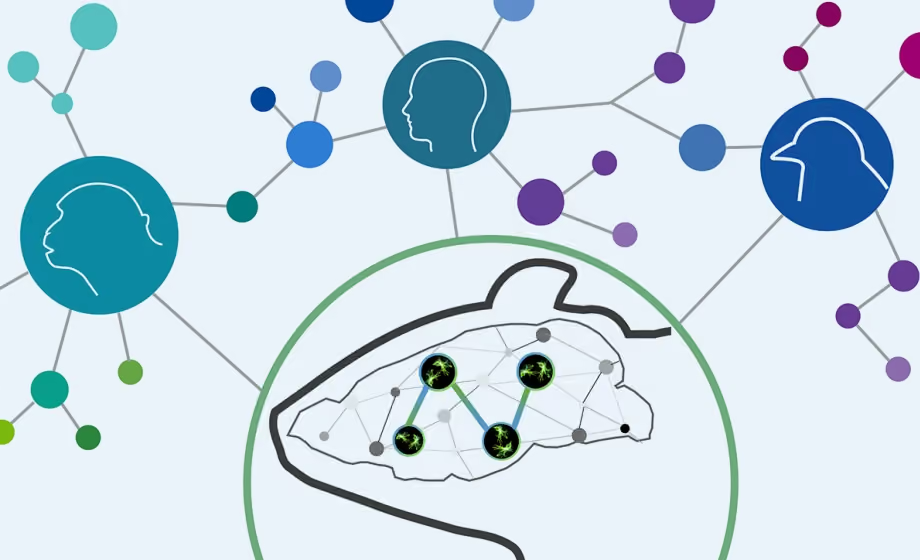
An essential webinar for all BCI researchers: fNIRS enables the read out of voluntarily controlled brain states in real time and opens a communication channel with completely locked-in patients, otherwise isolated from the external world.
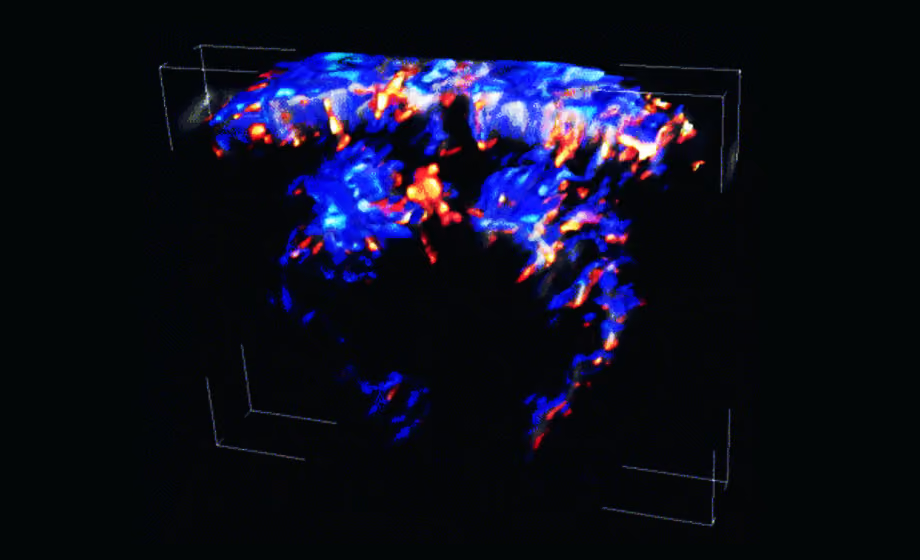
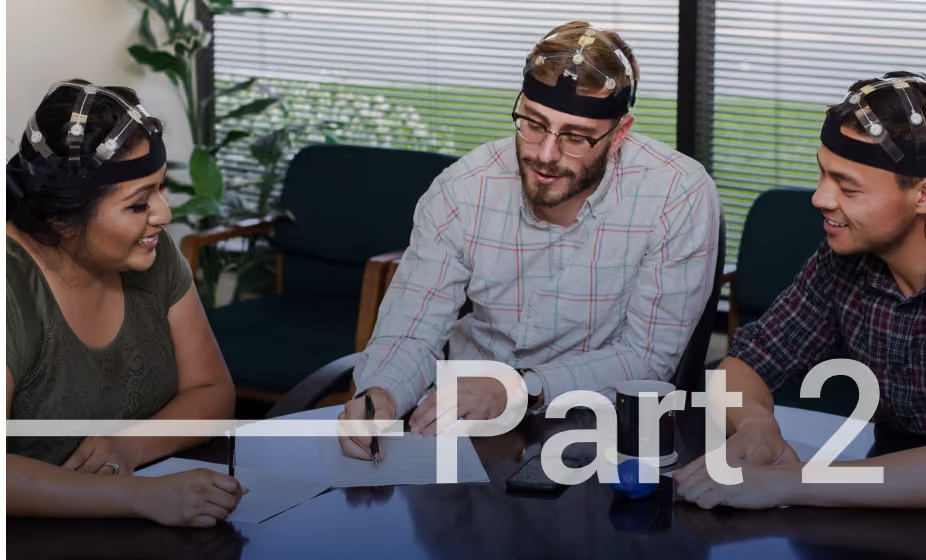
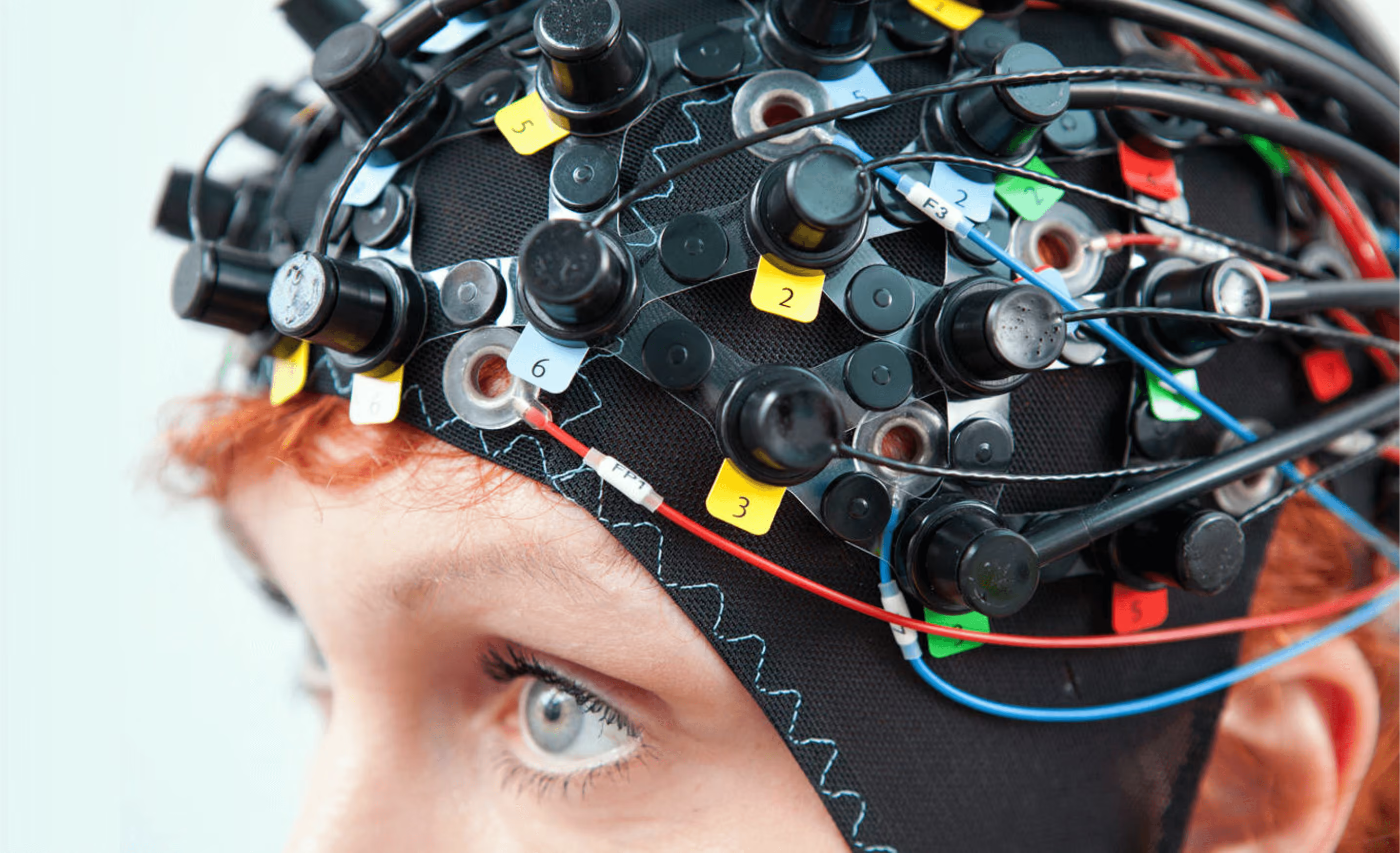
Neural activity is accompanied by a hemodynamic (vascular) responses that is sensitive to a host of features of coordinated brain function. Relating these measures to the seemingly endless breadth of human behavior is a principal aim of many scientific investigations. Fortunately, learning, language acquisition, sensory and motor functions, emotion, social interactions, and the influence of a host of disease processes can all be explored from measures of the functional near-infrared spectroscopy (fNIRS) signal. Wearable fNIRS technology exists that is portable, safe and easy to use, resistant to motion artifacts and can be employed in a subjects natural environment.
A promising application for fNIRS is the design of brain-computer interfaces (BCIs) for communication with completely locked-in patients. In the so called ‘locked-in' state, fully conscious and awake patients are unable to communicate naturally due to severe motor paralysis. These patients are, however, able to modulate their brain activity which can be decoded and understood by exploring the fNIRS signal.
In this exclusive webinar sponsored by NIRx Medical Technologies, discussion will focus on the basic principles of fNIRS and BCI, technical setup and guidelines for running a successful fNIRS study and a comparison of fNIRS with other functional neuroimaging methods. Experts will highlight their groundbreaking research in the field of fNIRS based BCI for communication with healthy subjects and patients in a completely locked-in state. Specifically, Dr. Ujwal Chaudhary (University of Tübingen) will share results of his research with healthy participants and patients with locked-in syndrome due to amyotrophic lateral sclerosis (ALS). Dr. Bettina Sorger (Maastricht University) will present data from a recent study demonstrating the feasibility of a multiple-choice fNIRS-based communication BCI using differently-timed motor imagery as an information-encoding strategy.
Featuring Insights from

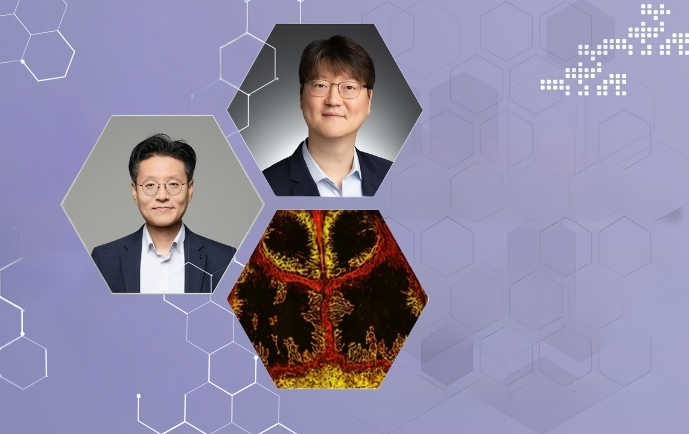
Bettina Sorger
PhD
During her time as a PhD student and postdoctoral fellow, Dr. Bettina Sorger has implemented clinical applications of functional magnetic resonance imaging (fMRI), developed BCIs based on real-time fMRI and has applied fMRI-based communication in non-responsive patients.

Ujwal Chaudhary
PhD
Dr. Ujwal Chaudhary is a postdoctoral researcher and Group Leader at the University of Tübingen. Dr. Chaudhary’s postdoctoral work involves the development and application of a simultaneous fNIRS and EEG-based brain-computer interface system to help ALS patients in a complete locked-in state with communication. Dr. Chaudhary’s groundbreaking research applying fNIRS-based BCIs for communicating with patients in a locked-in state has been featured by several high-profile media outlets including CNN and the BBC.
Sponsored by