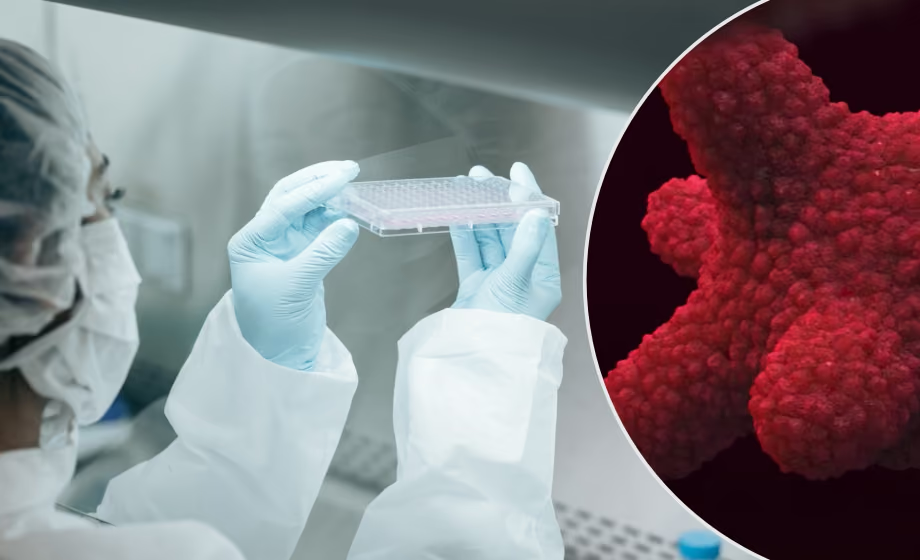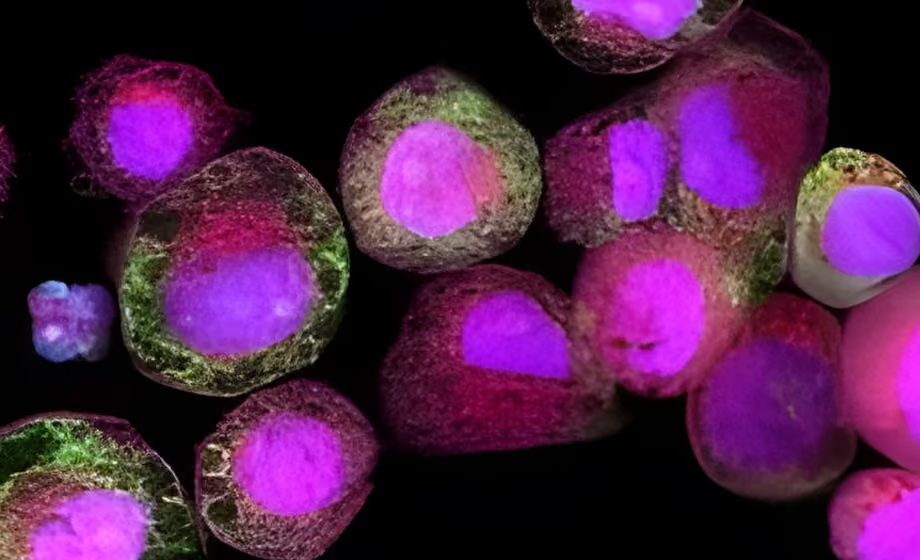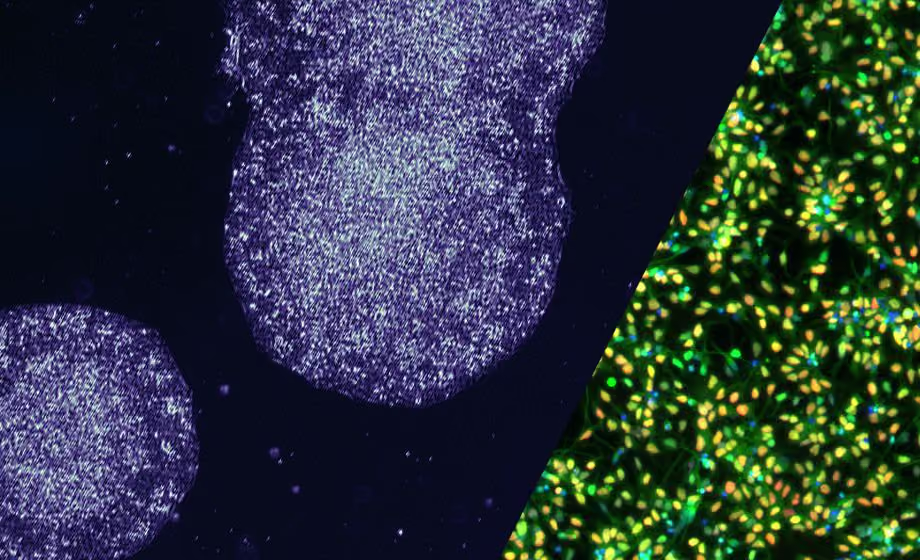
In this webinar, experts present a standardized stem cell line and its differentiation into neural cells for disease modeling and assay development.
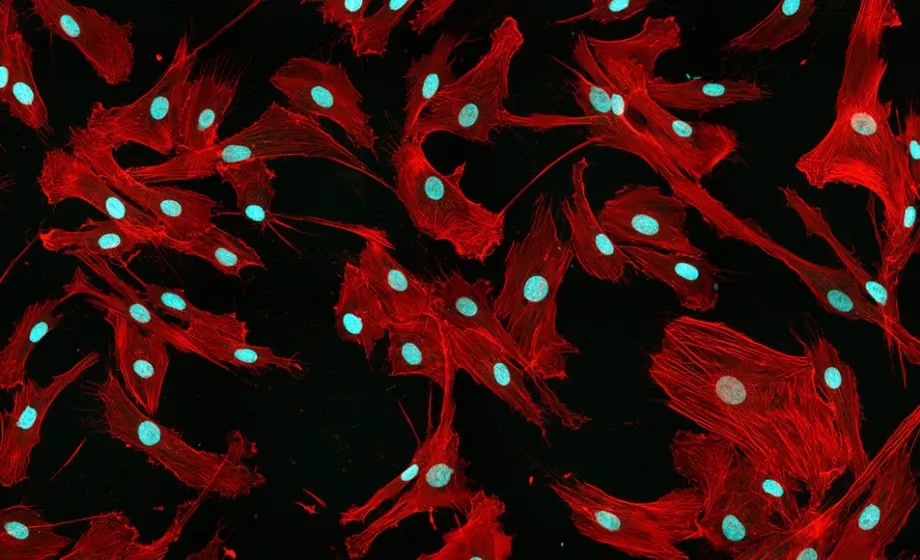
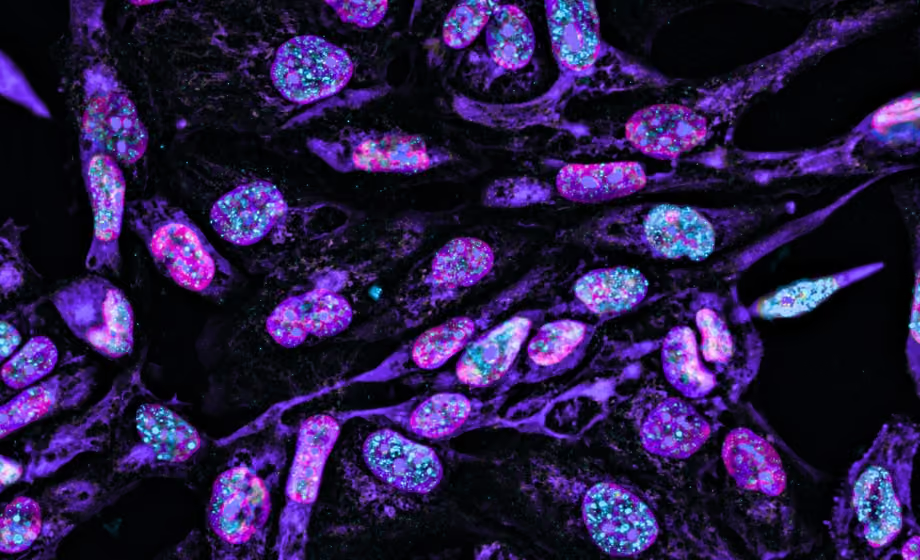
Reproducible research with human induced pluripotent stem cells (iPSCs) depends on thoroughly characterized and quality-controlled cell lines. In this webinar, Dr. Andrew Gaffney and Dr. Erin Knock from STEMCELL Technologies describe the generation of a standardized induced pluripotent stem cell (iPSC) line. Developed with the upcoming ISSCR Standards Initiative characterization guidelines in mind, this highly characterized line is karyotypically stable, demonstrates trilineage differentiation potential, and expresses undifferentiated cell markers. Further, STEMCELL has developed a highly pure, ready-to-use neural progenitor cell product expressing PAX6 and SOX1 over multiple passages.
Dr. Knock shows how these multipotent cells are suitable for customized downstream differentiation to various CNS cell types, such as forebrain neurons, midbrain neurons, and astrocytes. These progenitor cells are the ideal controls for standardizing downstream differentiation protocols, modeling diseases, and assay development.
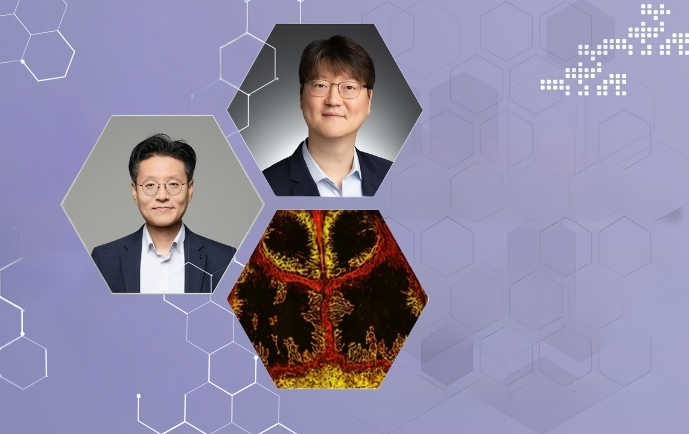
Featuring Insights from

Andrew Gaffney
PhD
Dr. Andrew Gaffney is the Director of Stem Cell Manufacturing and Commercialization at STEMCELL Technologies, overseeing the development of iPSCs, differentiated cells, and organoids. He also develops strategic alliances with stem cell scientists to support the development of PSC-based disease models, drug screens, and cell therapy applications.

Erin Knock
PhD
Dr. Erin Knock is the Associate Director of Neural Biology in the Research and Development Department at STEMCELL Technologies. Erin and the Neuroscience Group are proud to support products for both primary neural culture and pluripotent stem cell differentiation, including organoid differentiation.
Sponsored by

STEMCELL Technologies Inc.
In Partnership with

Scientist.com
Scientist.com is the world’s largest and first platform built for the intricacies of scientific outsourcing.
We help pharmaceutical and biotechnology organizations discover, engage, manage, and scale relationships with the providers that support every stage of the pipeline—from discovery and preclinical research to clinical development, manufacturing, medical affairs, and commercialization. Through a centralized platform, organizations can access a global network of 6,000+ providers, streamline sourcing and procurement workflows, maintain compliance, manage supplier relationships, and leverage data-driven insights to make faster, more informed decisions.
Today, Scientist.com supports more than 130 life science organizations, including 24 of the world's top 30 pharmaceutical companies, helping teams reduce operational complexity, accelerate timelines, and bring innovations to patients faster. Our mission is to make it possible to cure all human disease by 2050.
















.avif)