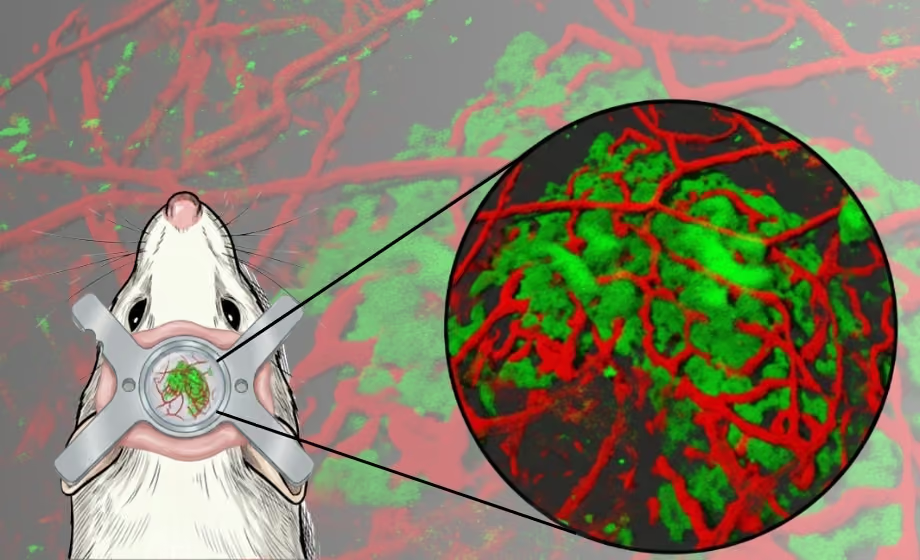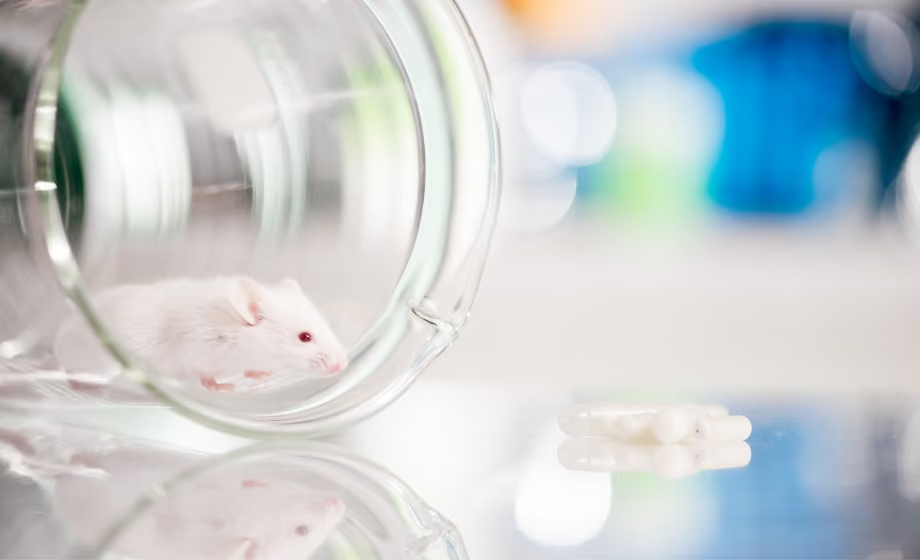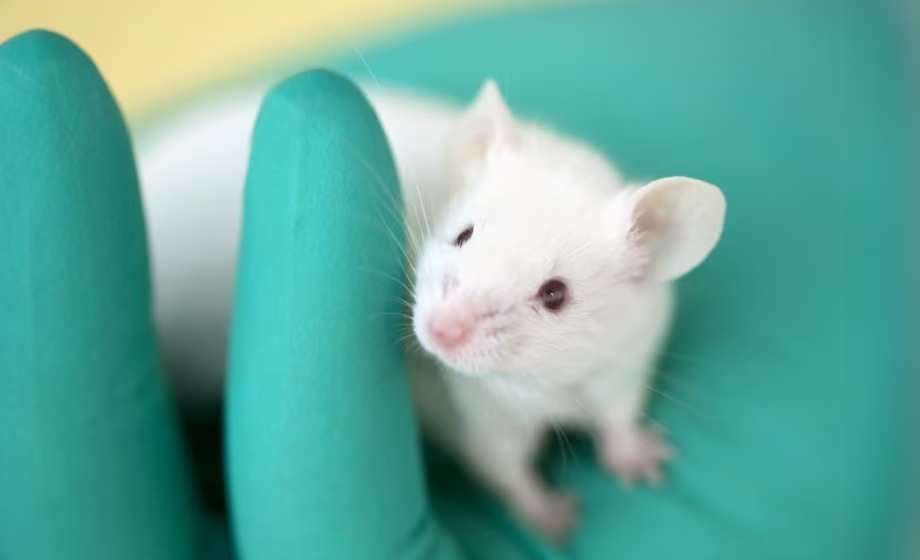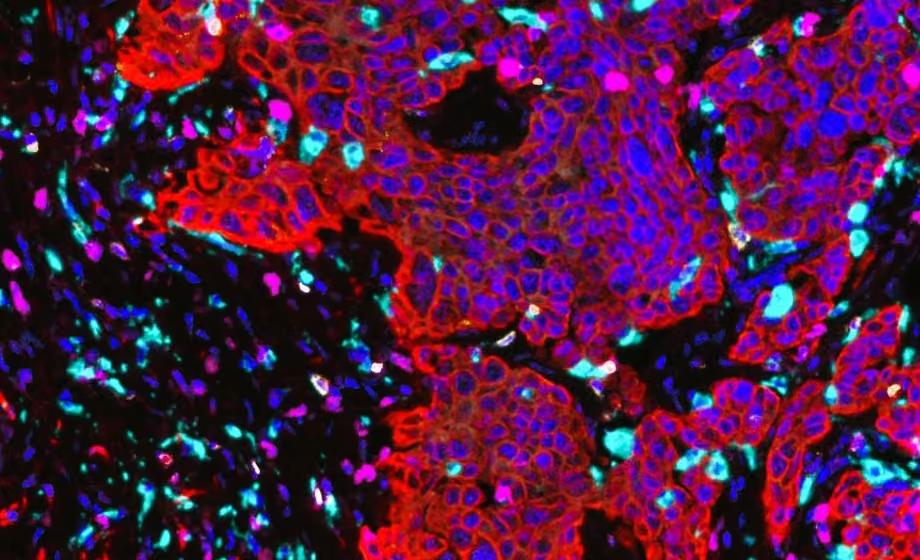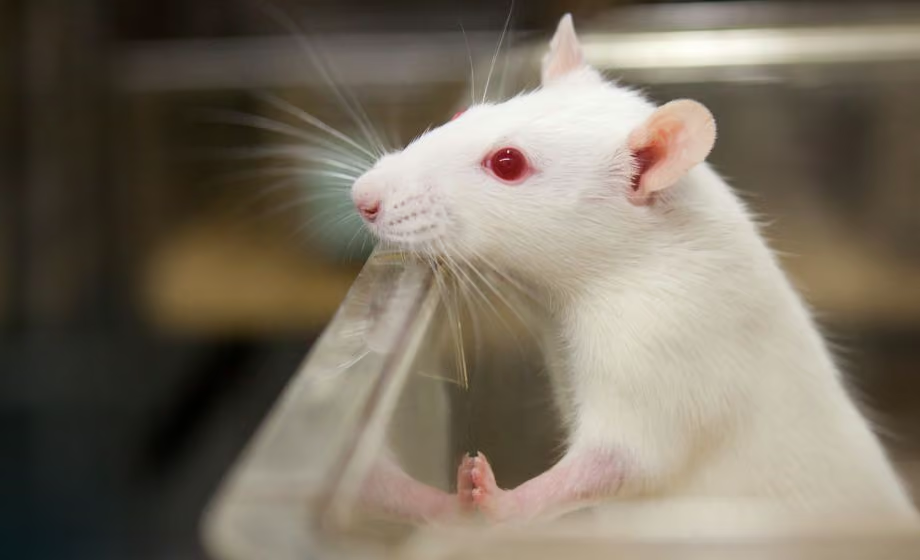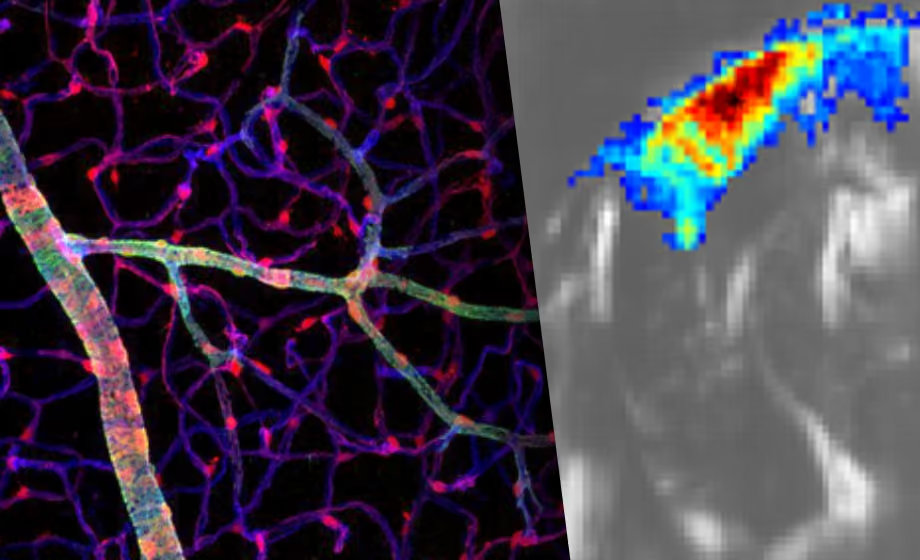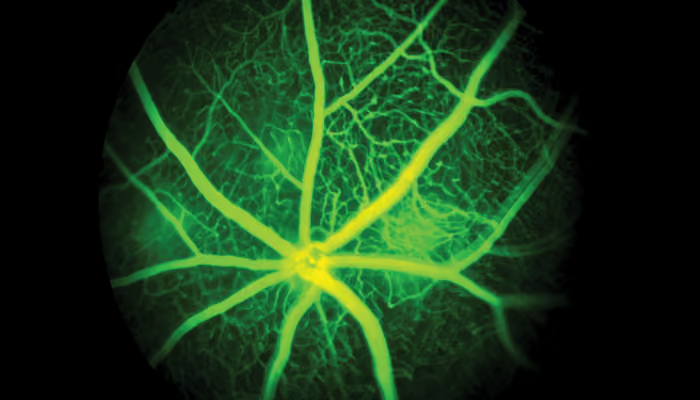
Dr. Yan Gong from the laboratory of Dr. Lois E. Smith at Harvard Medical School discusses new methods and technology for creating consistent and reproducible laser-induced Choroidal Neovascularization (CNV) in the mouse using image-guided laser photocoagulation.
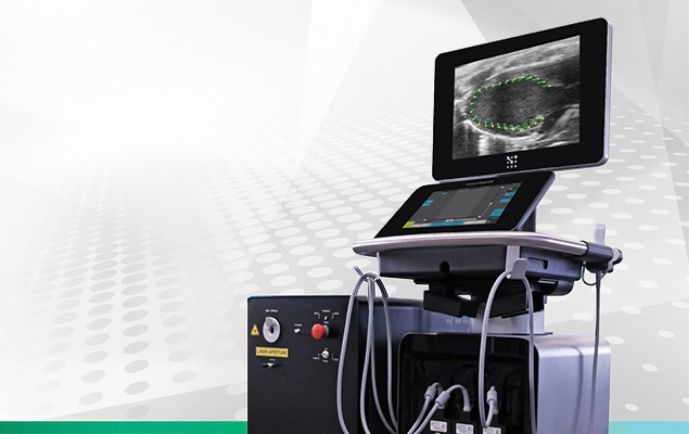
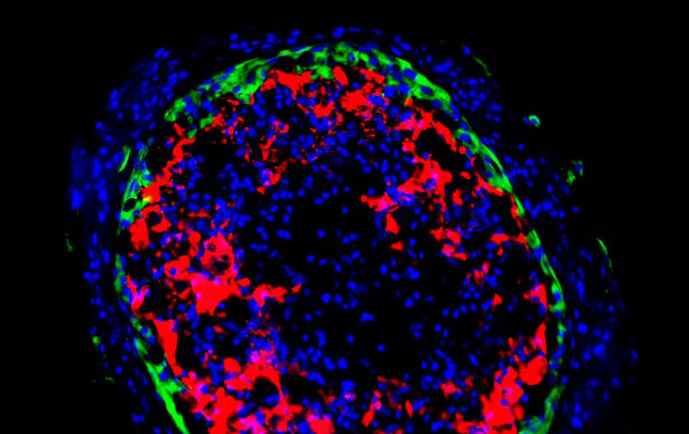
Though less than 10% of age-related macular degeneration (AMD) patients develop neovascular AMD, it accounts for 90% of AMD-associated vision loss. Therefore, developing a reproducible CNV model that mimics neovascular AMD is needed to study the complexities of this disease. Previous techniques using a laser injury approach have been unreliable and inconsistent. To address this issue, Yan Gong and the team at Harvard Medical School have completed and documented a study on laser-induced CNV using an image-guided laser photocoagulation system proven to achieve consistent and reproducible results.
In this exclusive webinar sponsored by Phoenix Research Labs, Dr. Gong reviews these new guidelines in detail, from proper mouse selection all the way to how image-guided OCT should be used to study the CNV process. This is an important webinar for all researchers that have considered CNV in their lab.
Featuring Insights from
Yan Gong
PhD
Sponsored by