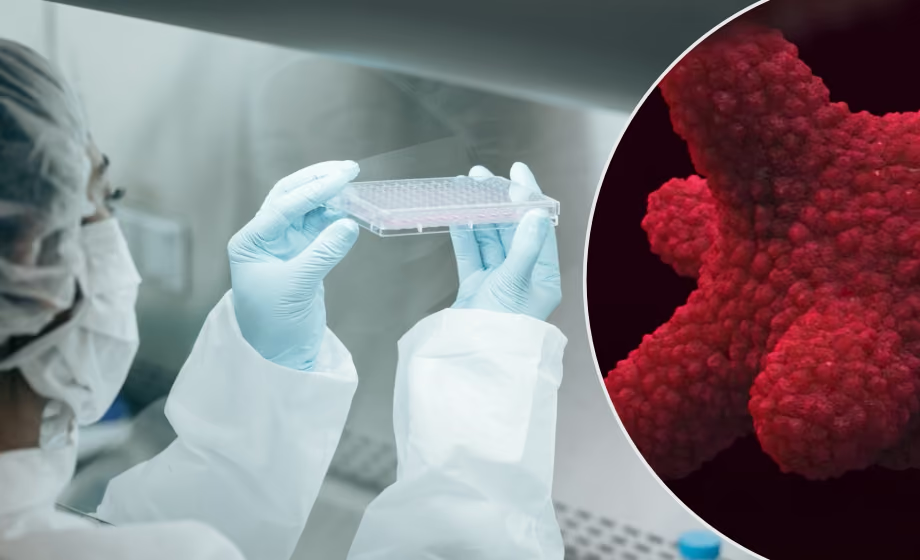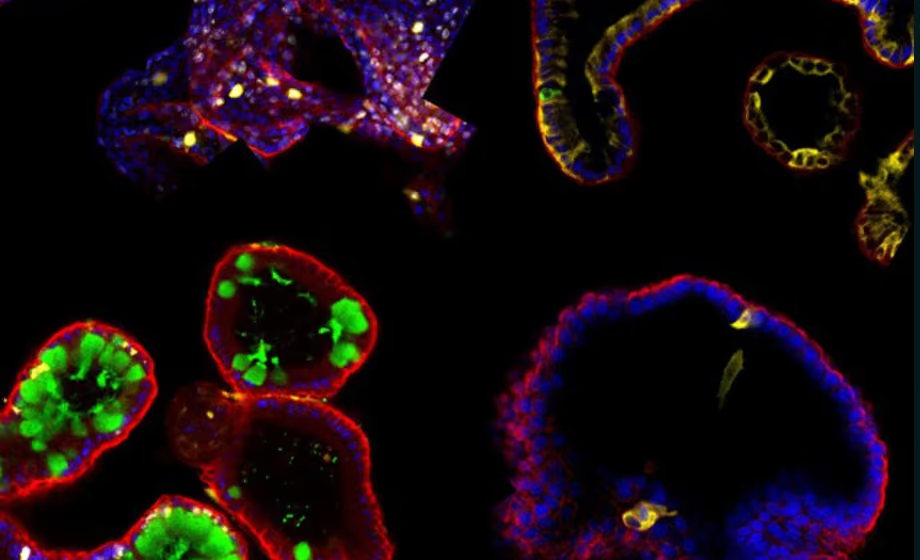
In this webinar, Martin Stahl, PhD, describes how patient-derived organoids can be used to study intestinal barrier function as well as the toxicity of potential therapeutic compounds.
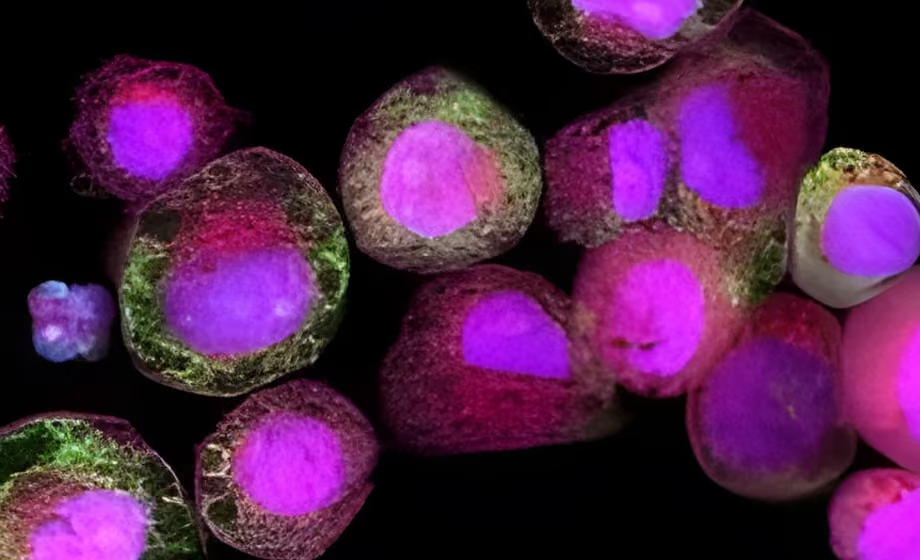
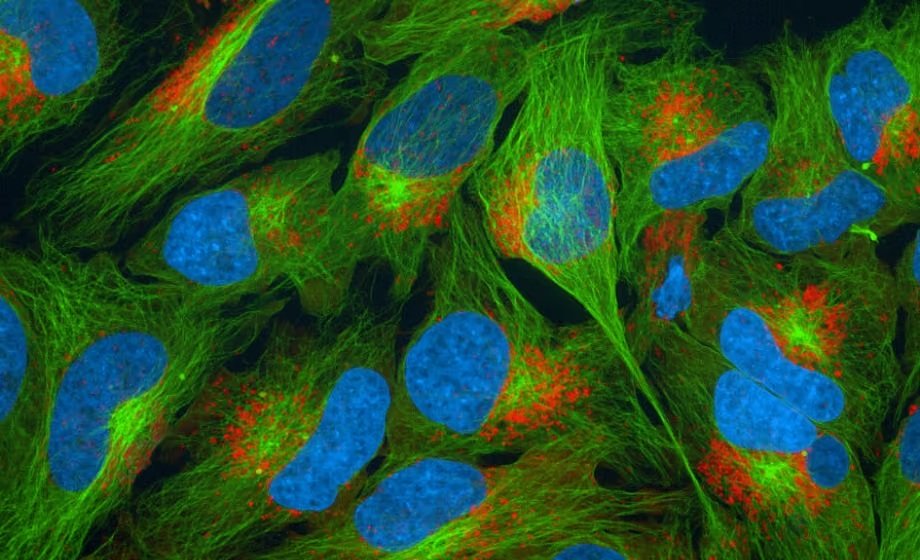
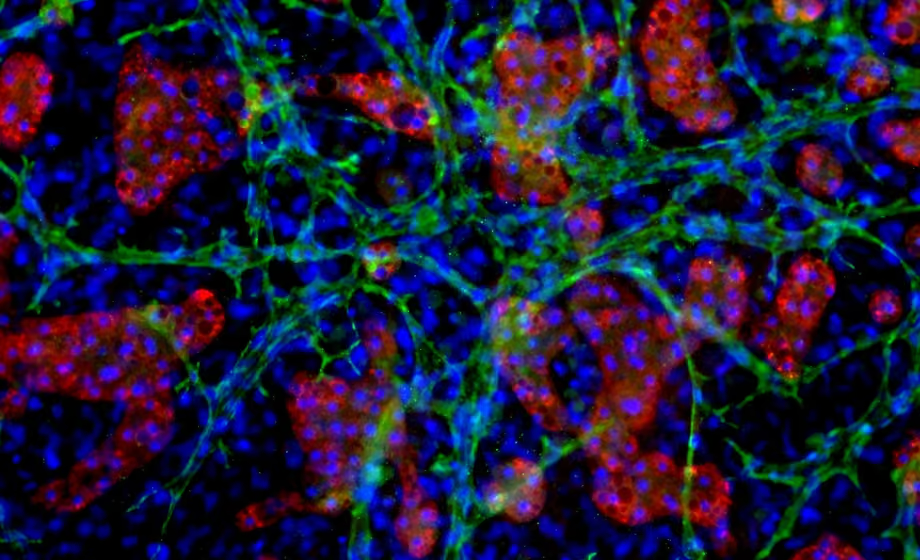
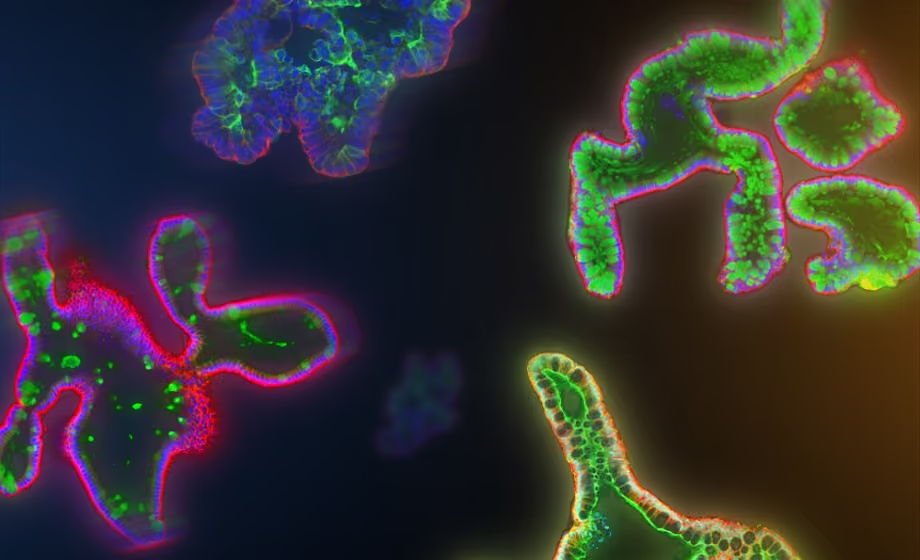
Since their first publication in 2009, intestinal organoids have proven to be an invaluable resource for preclinical research. Organoids are in vitro organ-specific cells that develop from stem cells and replicate the cell structure and complexity of a real organ. Since organoids can be grown from both pluripotent and adult stem cells, they can exemplify diverse patient genotypes and phenotypes that are not often seen in traditional cell lines. In this webinar, Dr. Stahl describes key benefits of organoids over traditional cell lines in drug discovery, as well as their applications in assessing drug toxicity and permeability of the epithelium. 
"What we're really trying to do [with intestinal organoids] is replicate that stem cell niche… we're trying to replicate the factors the stem cells need … to divide and differentiate."
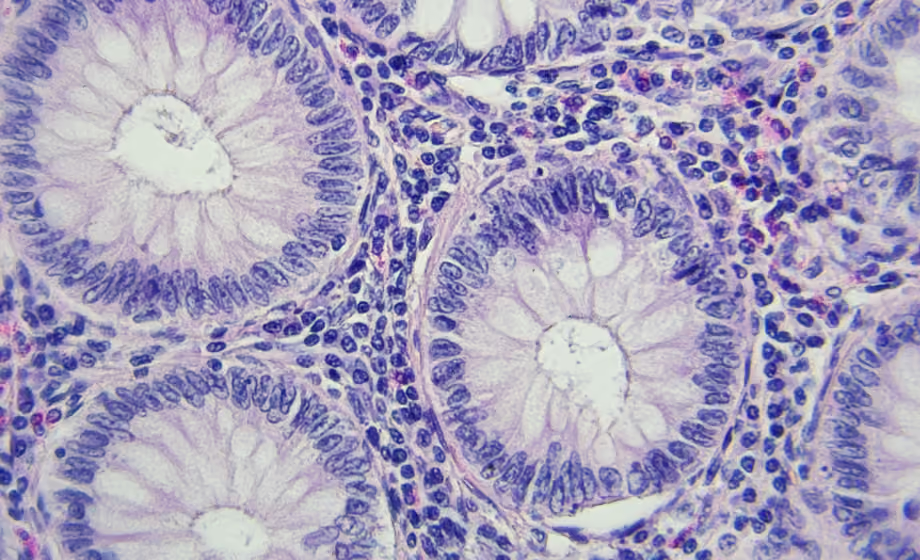
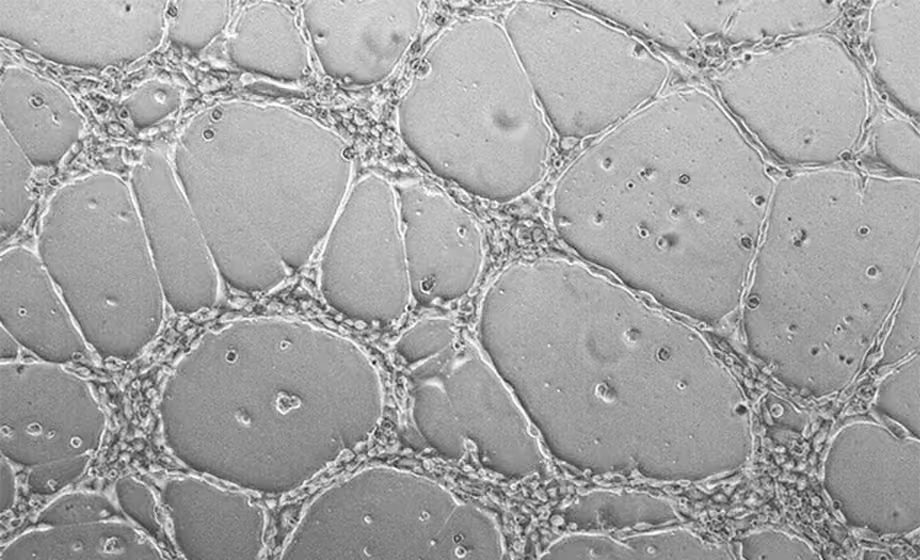
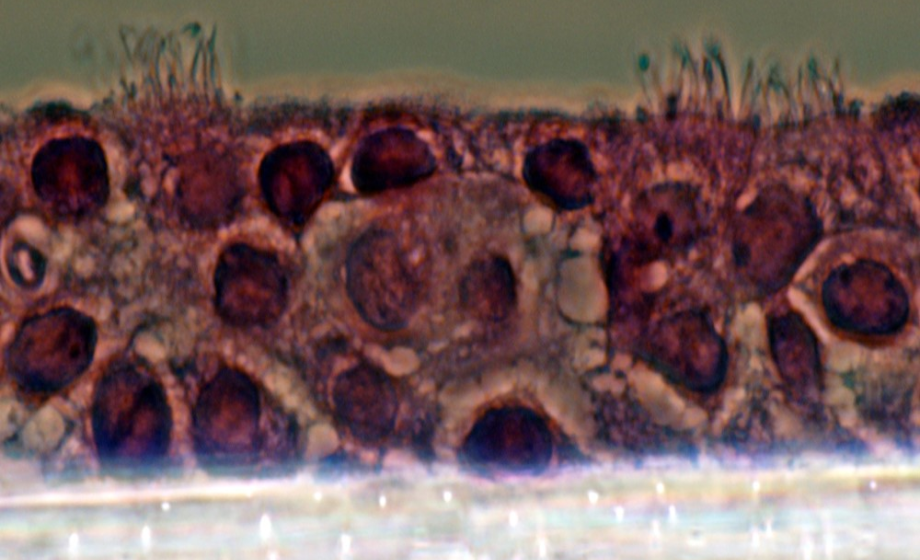
One of the main benefits of using organoids in drug discovery in lieu of traditional cell lines is the ability to monitor interactions between the various cell types that make up a tissue. Intestinal organoid differentiation begins with LGR5-positive stem cells located in the epithelium, which are either harvested from patient samples, or induced from human embryonic or induced pluripotent stem cells. By supplying the correct growth factors,  these cells will differentiate, proliferate, and form tight intercellular junctions much like they would in vivo. As these organoids are self-replenishing, they far outlast traditional cell lines in culture and can provide a more realistic model of intestinal physiology.
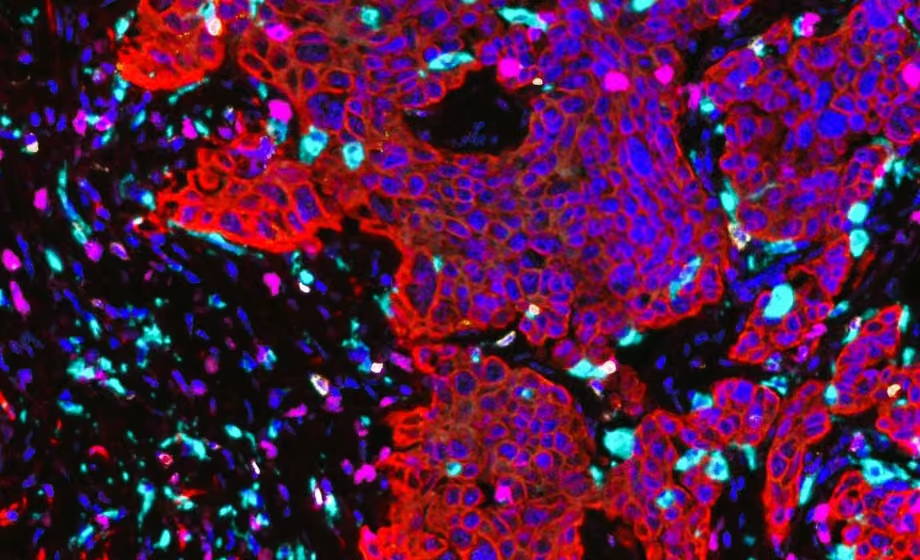
Intestinal organoids are an important tool for drug development and discovery as they represent the point of entry for most pharmaceutical compounds. Before a drug enters the bloodstream, it must first be absorbed into the intestinal lumen. However, this process is inefficient and poses a risk for drug degradation. Intestinal barrier permeability and toxicity are major factors in drug pipeline attrition and are crucial components to consider when assessing any pharmaceutical candidate. A healthy intestinal epithelium maintains a restrictive barrier that is maintained by a series of tight junctions in between epithelial cells as well as a layer of mucus. Damage to these intercellular junctions would drastically impair the regulation of what enters or exits the intestines.
"If you start losing that [intestinal] barrier, … [you're] going to start getting a strong immune response … [and] you can start getting sepsis."
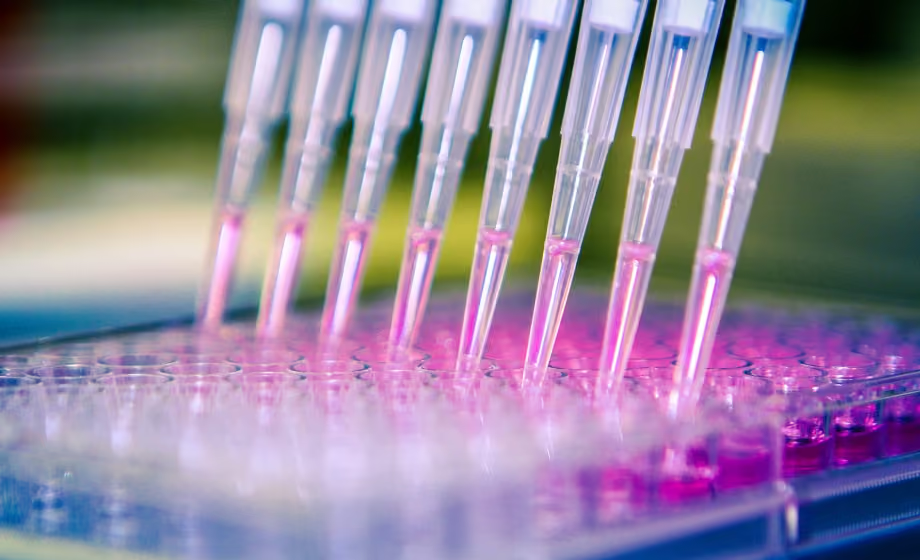
Intestinal organoids present a unique opportunity to study these toxicological effects as they allow for high throughput assays that are not achievable in animal models, and are more physiologically accurate than cell models. Dr. Stahl compares how intestinal organoids grown with IntestiCult Organoid Growth Medium and Caco-2, a common cell line used to study the intestinal barrier,  respond to a variety of pharmaceuticals, including chemotherapy drugs, an epidermal growth factor receptor (EGFR) inhibitor, and an anti-gout agent. For example, 5-fluorouracil was shown to have greater effects on the intestinal organoids than Caco-2 since it reduces cell count through a loss of proliferation rather than cell death.
Although intestinal organoids are beneficial for studying the intestinal barrier, they must first be plated in a monolayer culture when assessing barrier strength. This allows the 3D structure and mucous layer of the epithelium to be established. Dr. Stahl has employed two assay techniques to determine the quality and strength of the intestinal barrier: FITC-dextran permeability and transepithelial electrical resistance (TEER). In addition to determining membrane properties, these assays are advantageous in analyzing intestinal barrier degradation in response to drug administration. For example when Dr. Stahl administered a high concentration of colchicine, an anti-gout agent that targets proliferating cells, he noted a very different response from Caco-2 and the organoid. The cell line showed no significant response whereas the intestinal organoid rapidly degraded, highlighting the physiological differences between these two models.
Intestinal organoids can provide a unique advantage to researchers at any stage of research. In addition to accelerating preclinical testing, intestinal organoids also provide the opportunity to capture drug side effects that are not typically observed with traditional cell lines. Therefore, organoids can help researchers capture a more realistic image of what happens in the intestine and allow for patient-specific treatment plans.
Webinar Highlights
- An overview of intestinal organoids and their advantages.
- Studying intestinal barrier toxicity and permeability.
- Organoid tools and services available from STEMCELL.
Featuring Insights from

Martin Stahl
PhD
Dr. Martin Stahl is a Senior Scientist with the Intestinal Team at STEMCELL Technologies. Martin received a PhD in Microbiology at the University of Ottawa and conducted his postdoctoral research at the University of British Columbia and the BC Children’s Hospital Research Institute, where he studied infection and immunity in the gut.
Sponsored by

STEMCELL Technologies Inc.
In Partnership with

Scientist.com
Scientist.com is the world’s largest and first platform built for the intricacies of scientific outsourcing.
We help pharmaceutical and biotechnology organizations discover, engage, manage, and scale relationships with the providers that support every stage of the pipeline—from discovery and preclinical research to clinical development, manufacturing, medical affairs, and commercialization. Through a centralized platform, organizations can access a global network of 6,000+ providers, streamline sourcing and procurement workflows, maintain compliance, manage supplier relationships, and leverage data-driven insights to make faster, more informed decisions.
Today, Scientist.com supports more than 130 life science organizations, including 24 of the world's top 30 pharmaceutical companies, helping teams reduce operational complexity, accelerate timelines, and bring innovations to patients faster. Our mission is to make it possible to cure all human disease by 2050.


.avif)