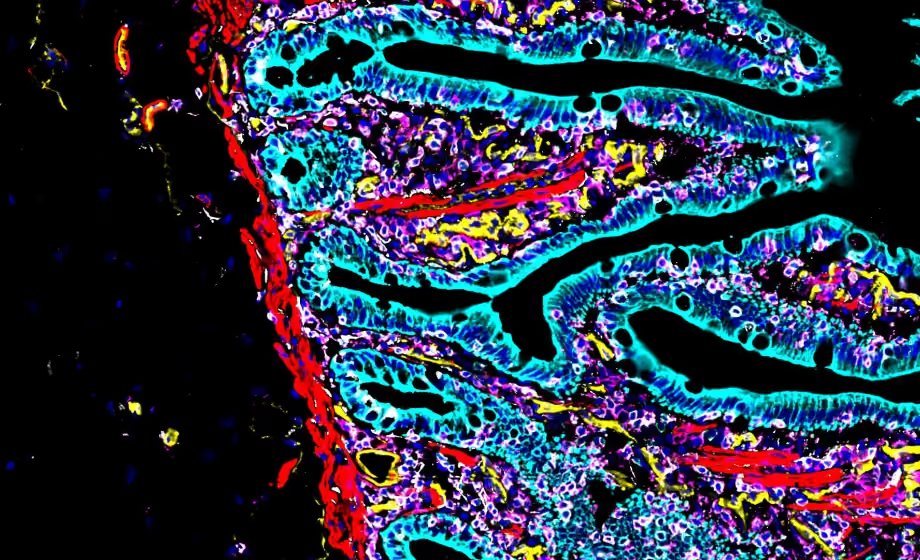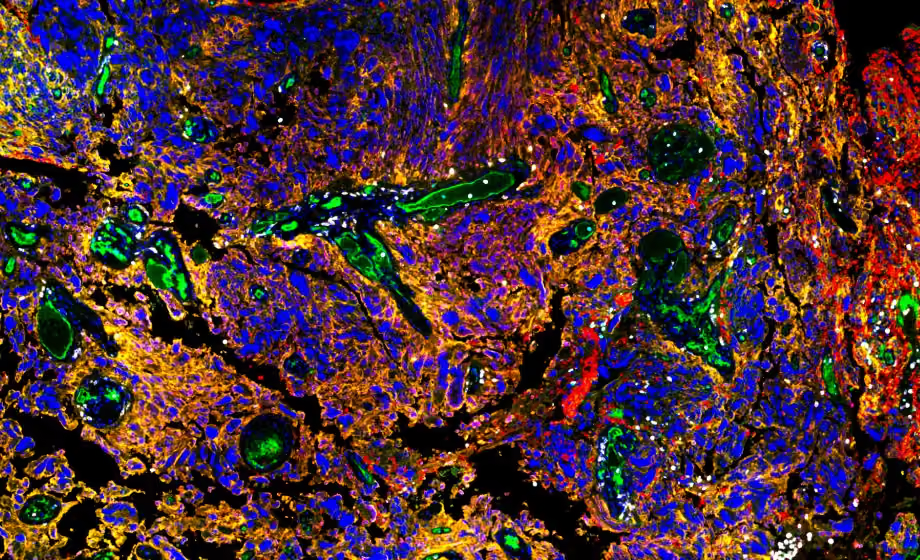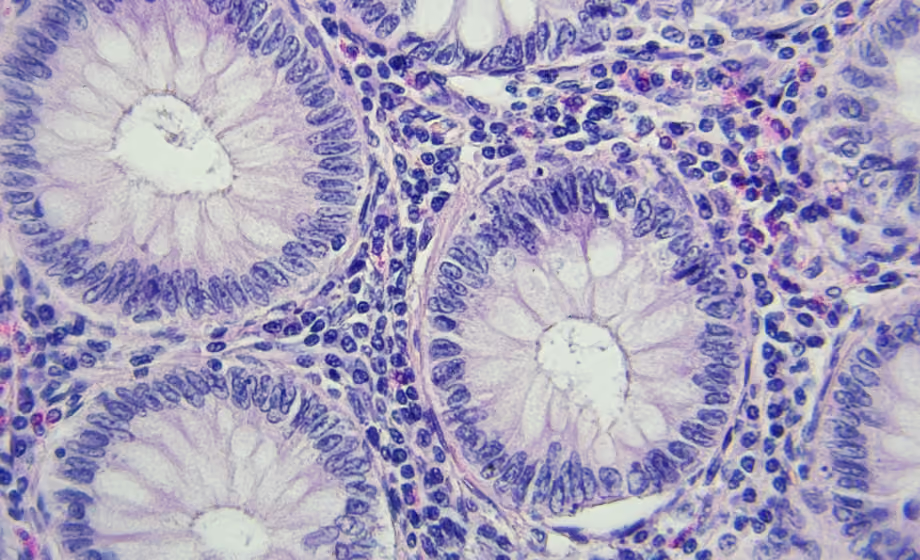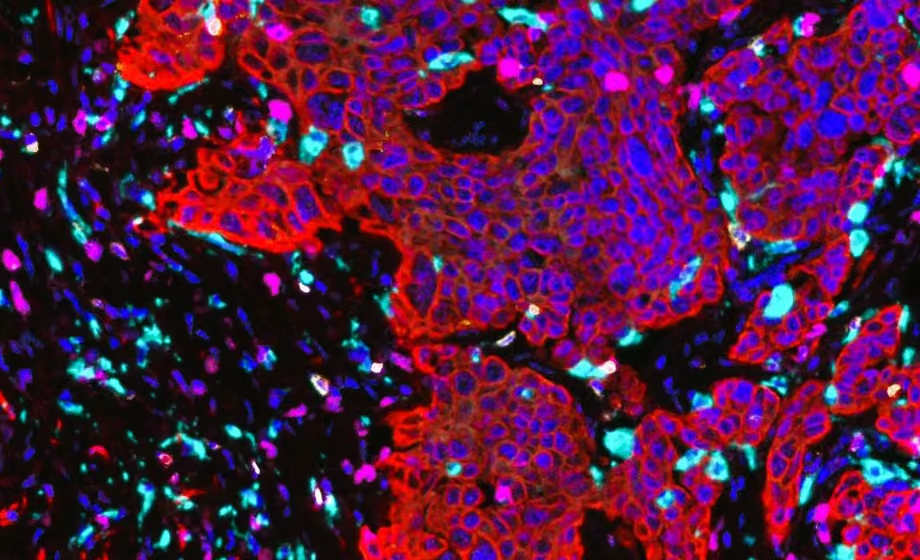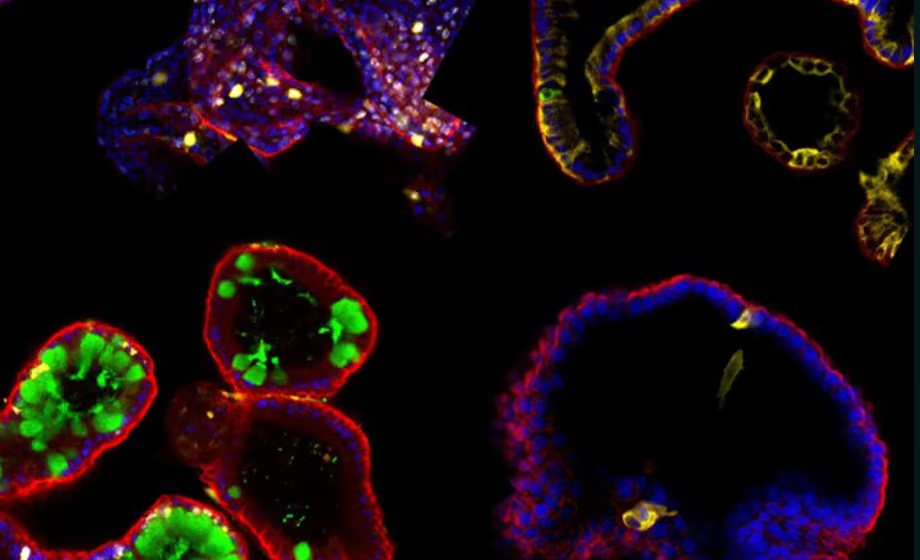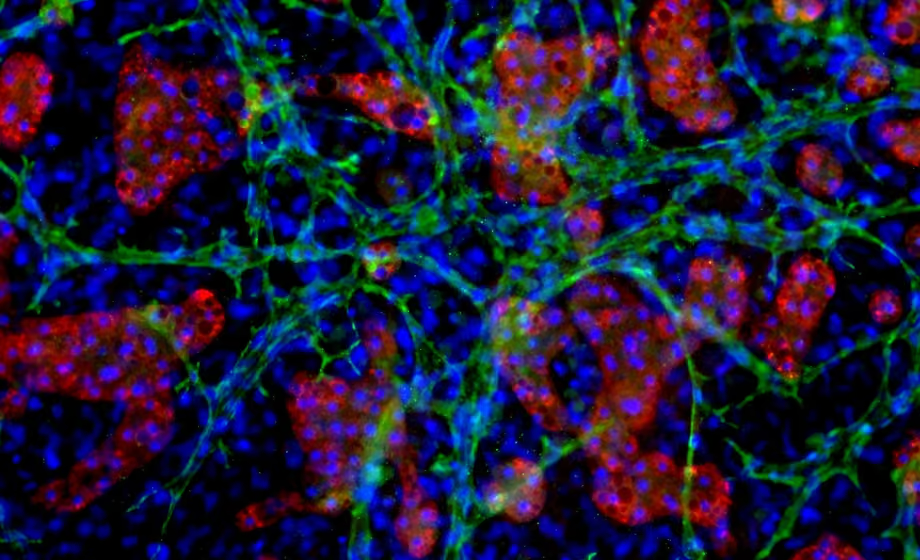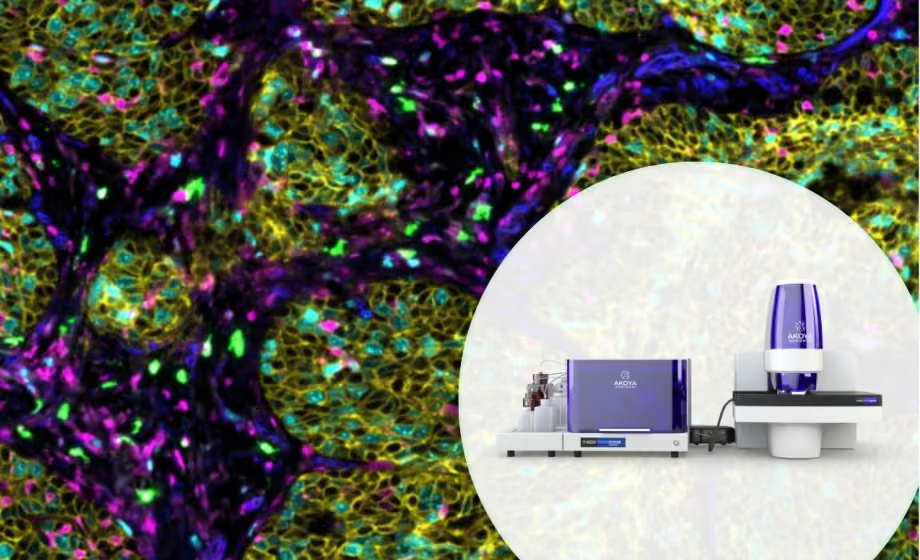
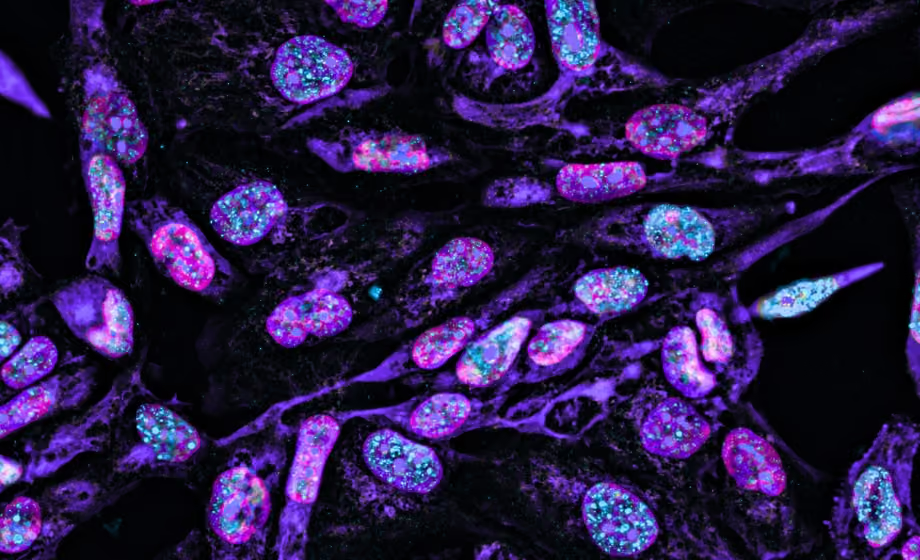
When we think of conducting spatial biology experiments, the technologies used must be capable of spatially resolved, highly multiplexed biomarker analysis. Single-cell technologies, such as flow cytometry and single-cell RNA-seq, can detect numerous parameters but lack spatial dimension. The advent of some recent spatial technologies has alleviated this concern, but spot-based or region-of-interest-based methods still lack resolution. Standard imaging methods, like immunofluorescence (IF) and immunohistochemistry (IHC) provide single-cell resolution and spatial context but are limited to measuring just a few parameters simultaneously. Akoya Biosciences PhenoCycler-Fusion, offers a balance between resolution, cellular context, and ultrahigh-plex biomarker detection. Akoya's integrated platform combines the strengths of the automated, ultrahigh multiplex cycling platform, PhenoCycler, and the high-speed imaging platform, PhenoImager, into an end-to-end, integrated workflow.
In this webinar, Dr. Arutha Kulasinghe, NHMRC Research Fellow and Clinical-oMx Group Leader at the Frazer Institute, University of Queensland, will discuss how single-cell spatial phenotyping is an invaluable tool when characterizing the tumor microenvironment and how this technology can be used to develop consistently predictive biomarkers for guiding patient selection for highly targeted therapy.
Featuring Insights from

Arutha Kulasinghe
PhD
Dr Arutha Kulasinghe is a Senior Research Fellow and leads the Clinical-oMx Lab at the University of Queensland. Dr Kulasinghe has pioneered spatial transcriptomics using digital spatial profiling approaches in the Asia-Pacific region, contributing to world-first studies for lung cancer, head and neck cancer, and COVID-19. His research aims to understand the underlying pathobiology by using an integrative multi-omics approach.
Sponsored by













.avif)