In this webinar, Dr. Dennis Turner delves into dementia syndrome, the metabolic changes that occur, and the importance of proper physiological monitoring of animal models.
Brain metabolism transforms with normal aging, and transient, dynamic metabolic insufficiency may underlie critical progression from aging into dementia syndrome and Alzheimer's disease (AD). Age-related brain metabolism balances vascular-related substrate supply and transport mechanisms into extracellular space to neurons with cellular metabolic needs and utilization. Dynamic metabolic insufficiency can occur when there is intermittent supply-demand mismatch.
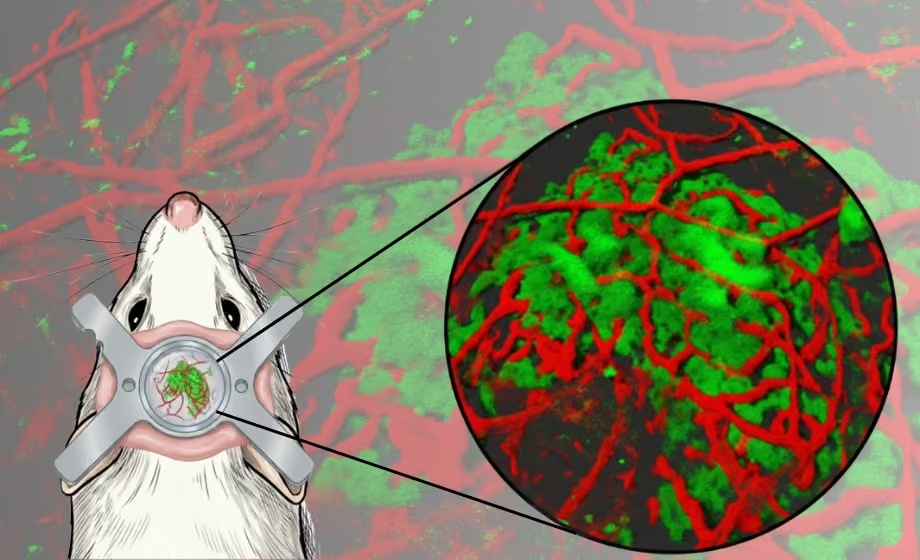
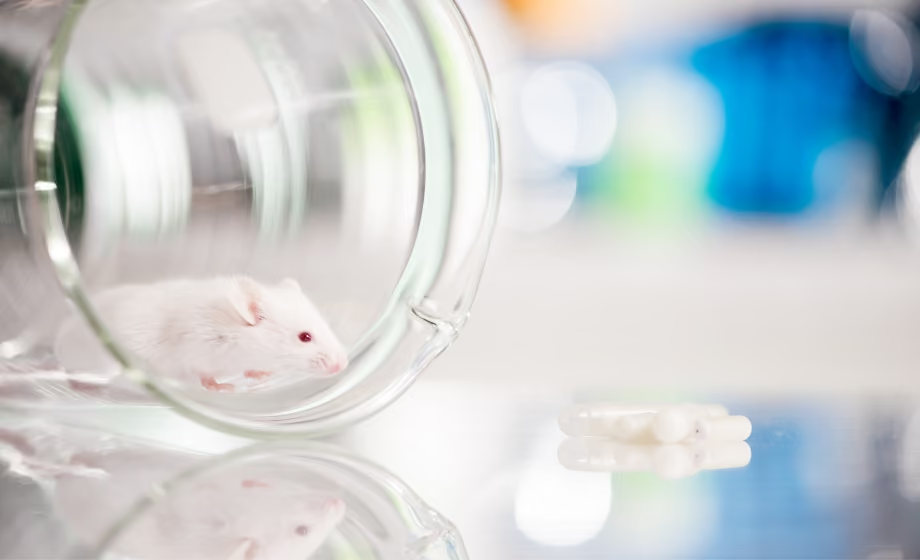
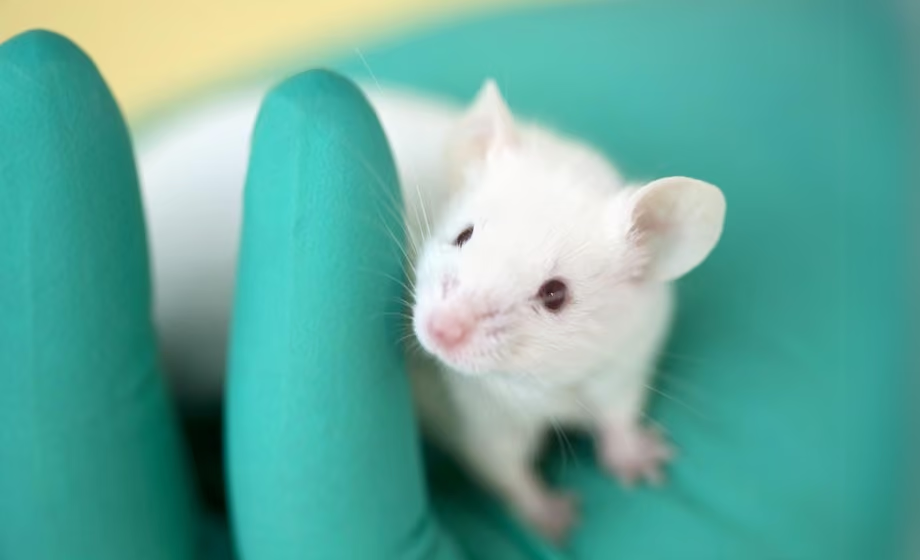
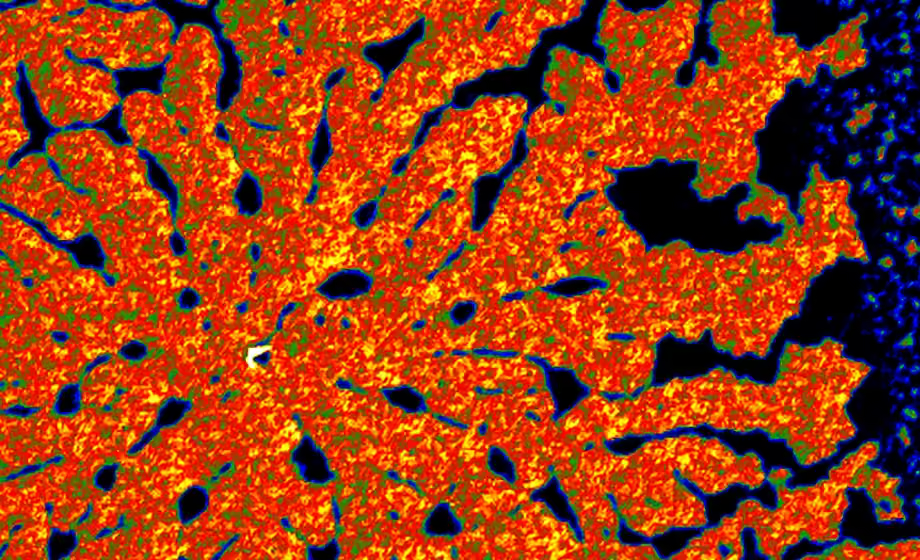
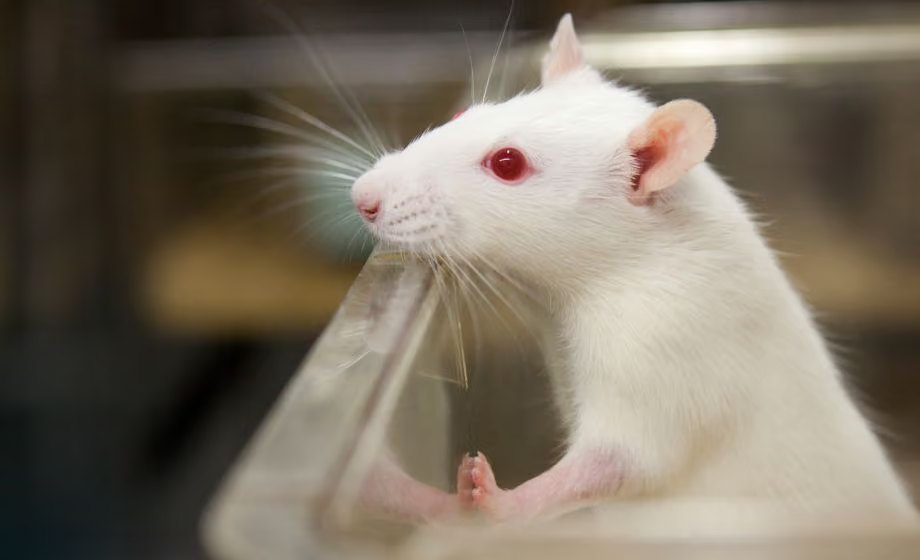
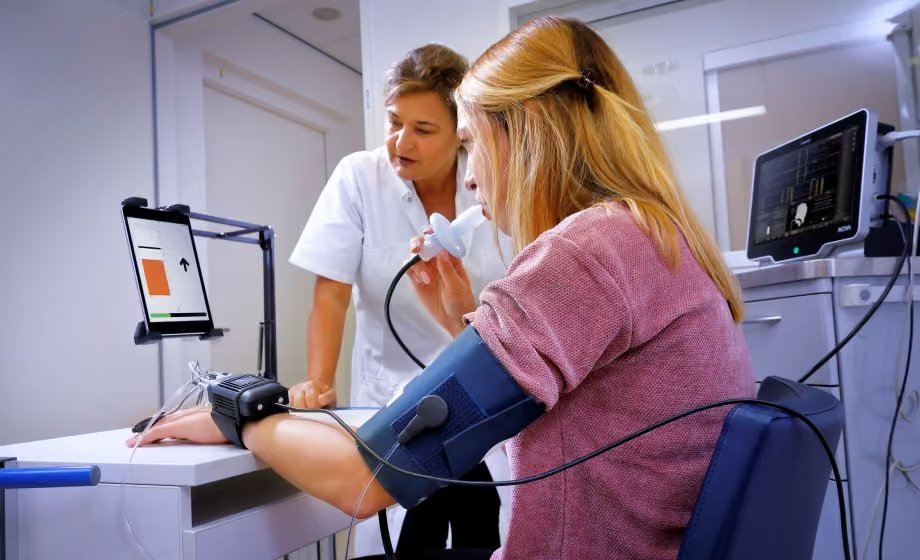
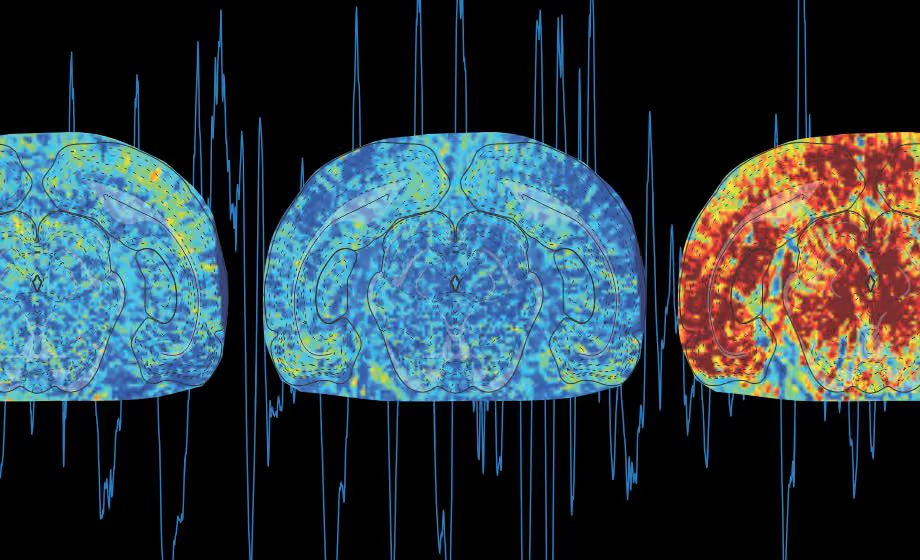
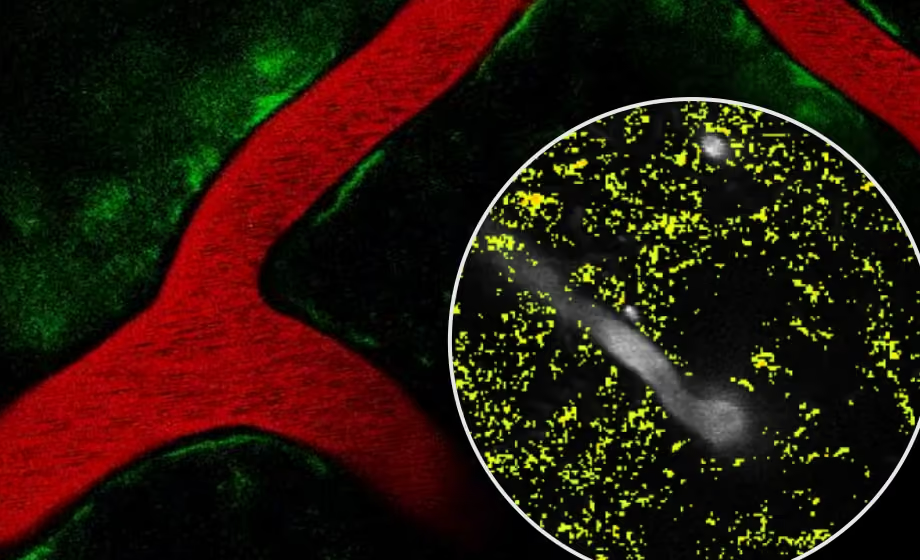
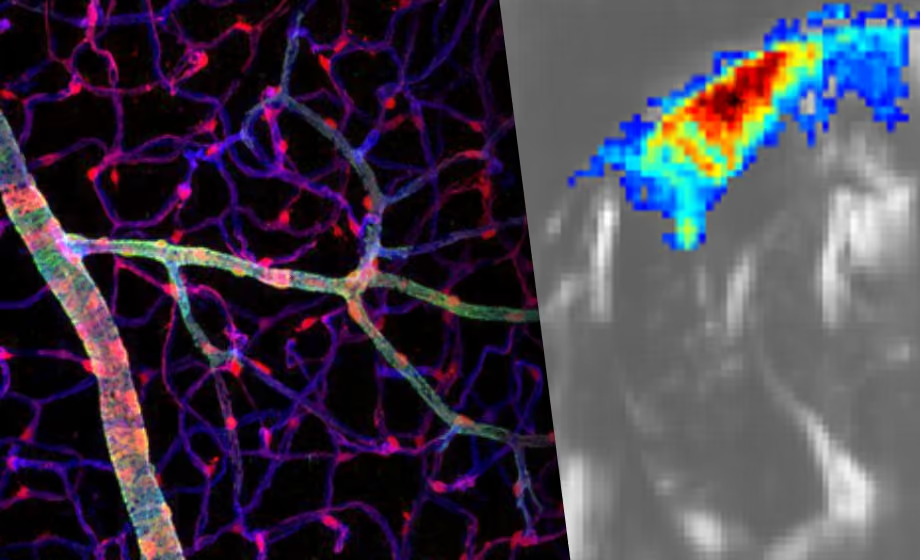
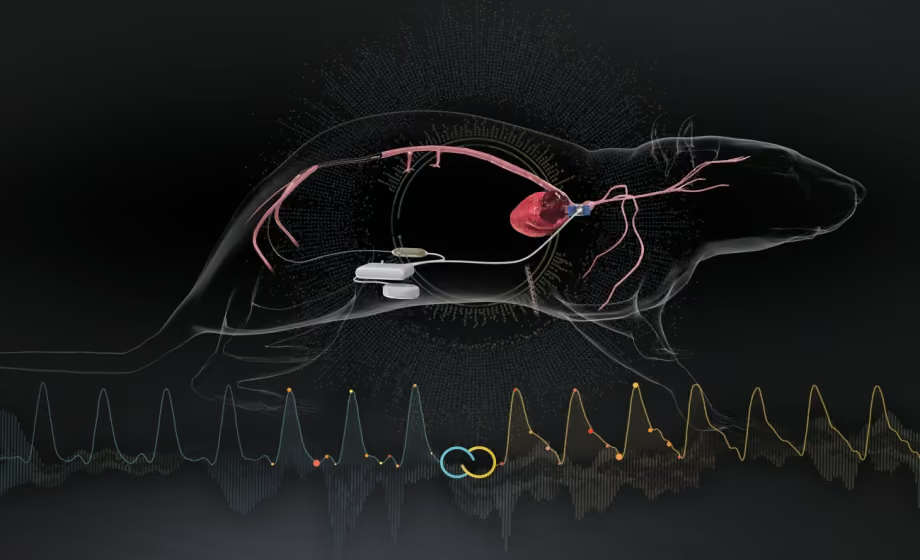
Adequacy of neurovascular coupling to provide sufficient cerebral blood flow (CBF) to meet neuronal demand in vivo in a mouse AD model, compared to aged controls were studied. Dr. Turner's lab analyzed the response to maximal neuronal metabolic demands, spreading depression and anoxia, using imaging, CBF measurements, and oxygen and glucose levels. These in vivo studies require human-similar anesthesia conditions, through monitoring temperature, blood pressure/pulse oximetry, and respiration, to maintain homeostasis. The lab confirmed abnormal neurovascular coupling in a mouse model of AD in response to these metabolic challenges, showing disruption much earlier in dementia than in equivalently aged individuals. Chronic metabolic treatments could influence dementia syndrome progression.
Key Topics Include:
Key Topics:
- Concept of metabolic insufficiency in Alzheimer's disease
- Analysis in vivo of cortical responses to maximal neuronal metabolic demands in animal model
- Assessing progression of Alzheimer's disease in an animal model compared to age-matched controls
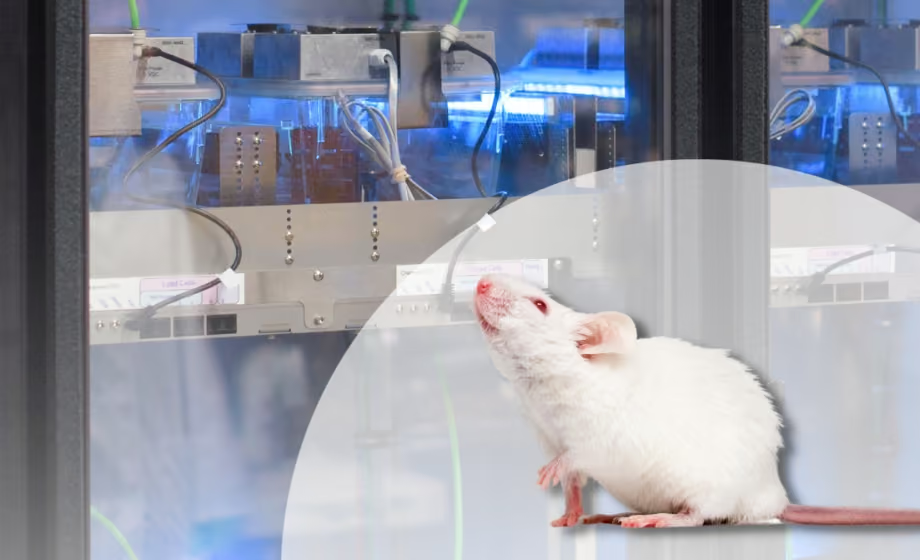
- Underscore need for reliable, reproducible anesthesia delivery and vital sign monitoring/recording (similar to the requirement in human models) to ensure robust data collection moving toward translational phase
- Mechanisms of potential treatments for metabolic insufficiency in Alzheimer's disease
Featuring Insights from

Dennis Turner
MA, MD
Dr. Dennis Turner is an academic neurosurgeon scientist focused on brain research at the clinical, translational, and pre-clinical levels. Dennis currently performs neurosurgical procedures, particularly deep brain stimulation, in patients with movement disorders, and conducts research on both Parkinson and Alzheimer’s disease to understand mechanisms and interventions.
Sponsored by

Kent Scientific Corporation
In Partnership with
American Physiological Society
Founded in 1887, the American Physiological Society is a global leader in expanding knowledge related to biological function. We connect a multidisciplinary community of nearly 10,000 scientists and educators from around the world, driving collaboration and spotlighting scientific discoveries in physiology and related disciplines. Our members are advancing treatments and cures for everything from cancer and heart disease, to obesity and addiction. They are also deepening our insight into living organisms generally, helping us to better understand how things like climate change are affecting the world around us.