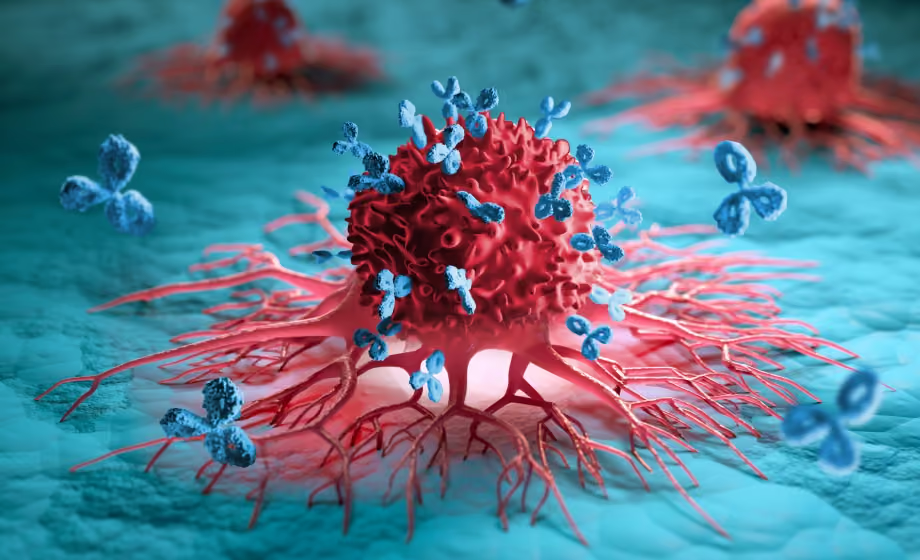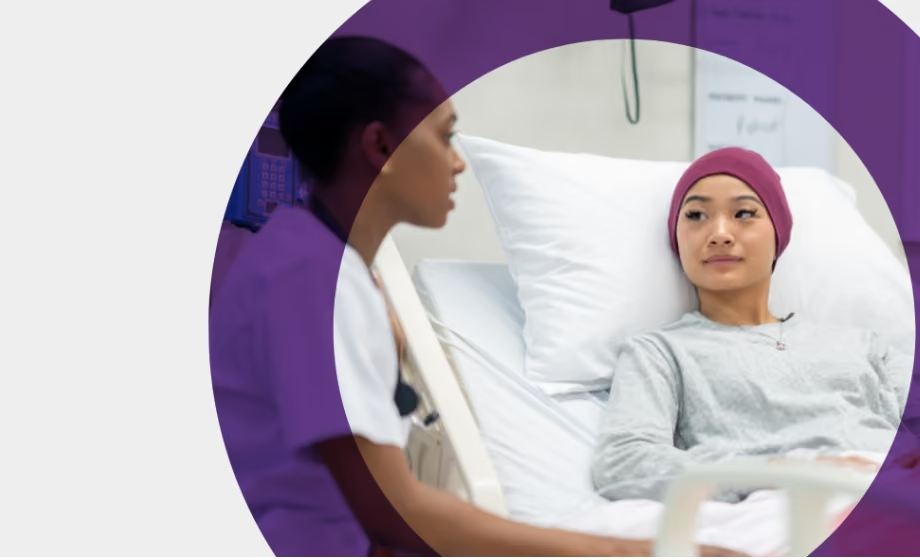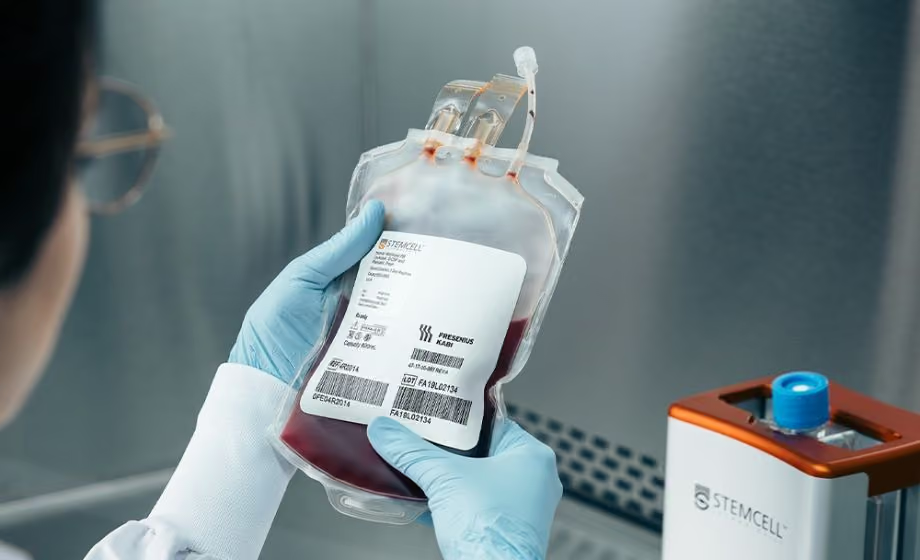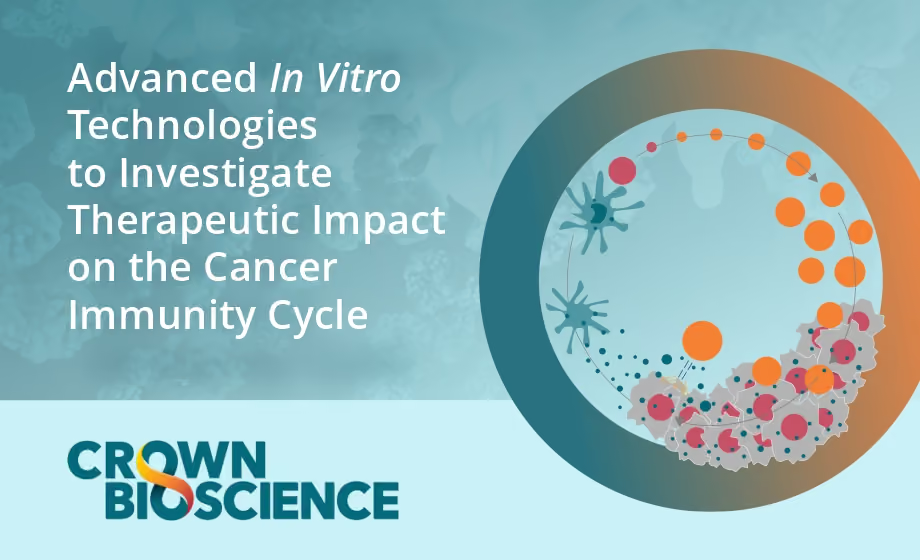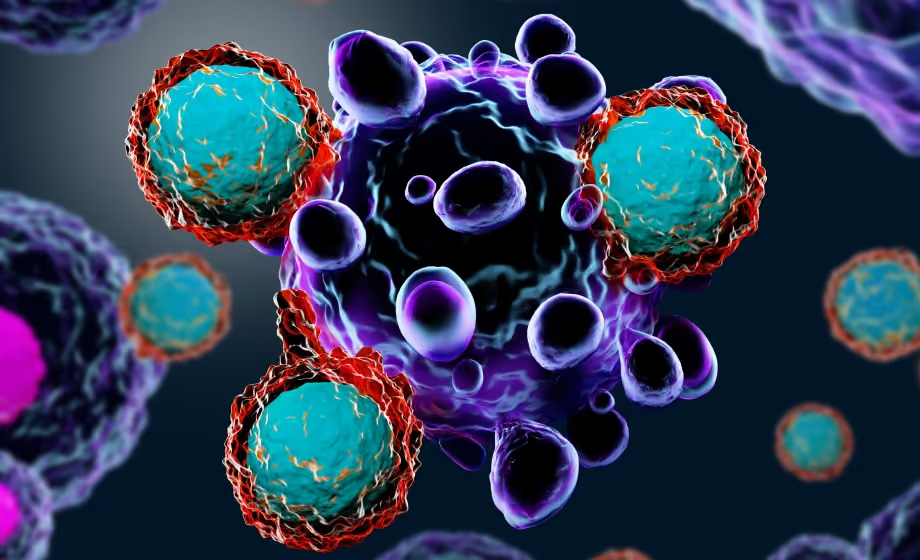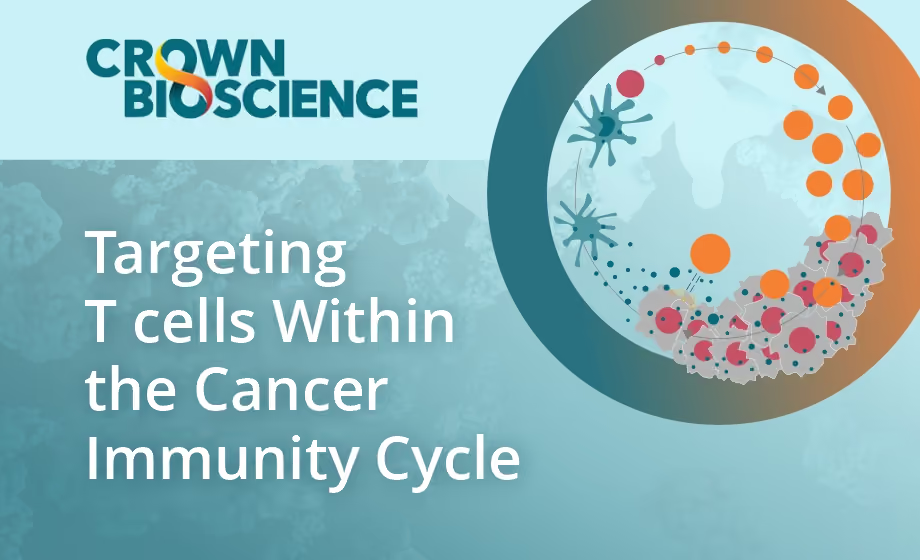
In this webinar, speakers discuss the role of T cell biology in cancer immunotherapy.
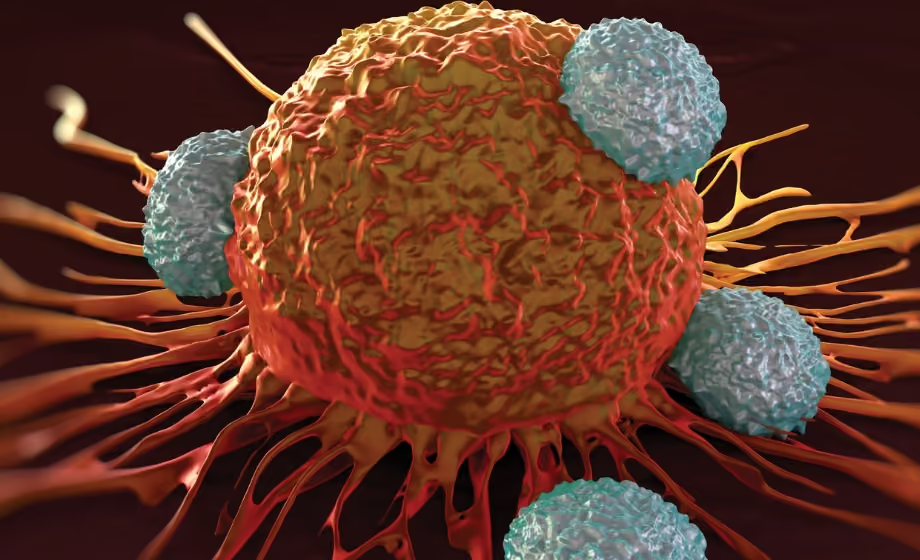
The cancer immunity cycle involves several sequential steps leading to an effective T cell-mediated tumor eradication. However, many steps in the cycle can be disrupted, resulting in a tumor evading the host's immune surveillance and response. The success of immune checkpoint inhibitors like anti-PD-1 or anti-PD-L1 in activating cancer-killing T cells that were suppressed by cancer has paved the way for novel targets and therapeutics in immuno-oncology.
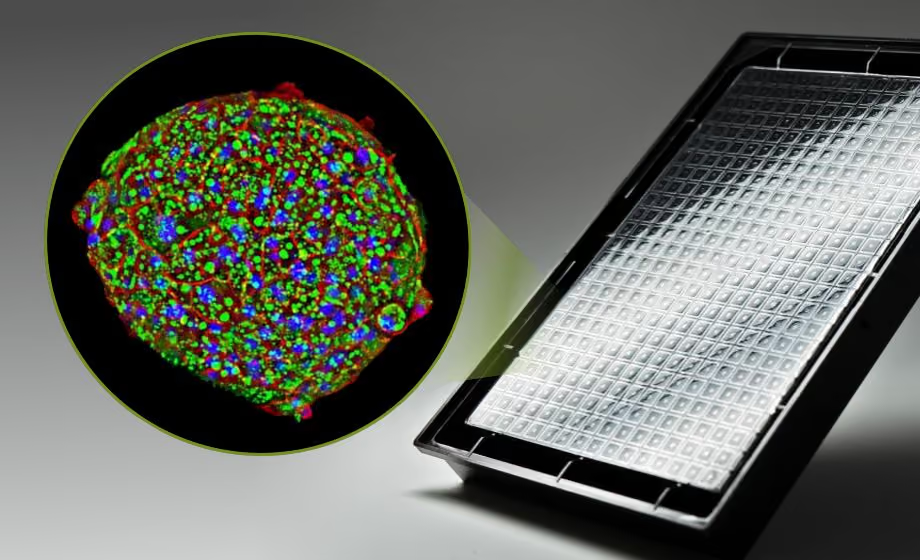
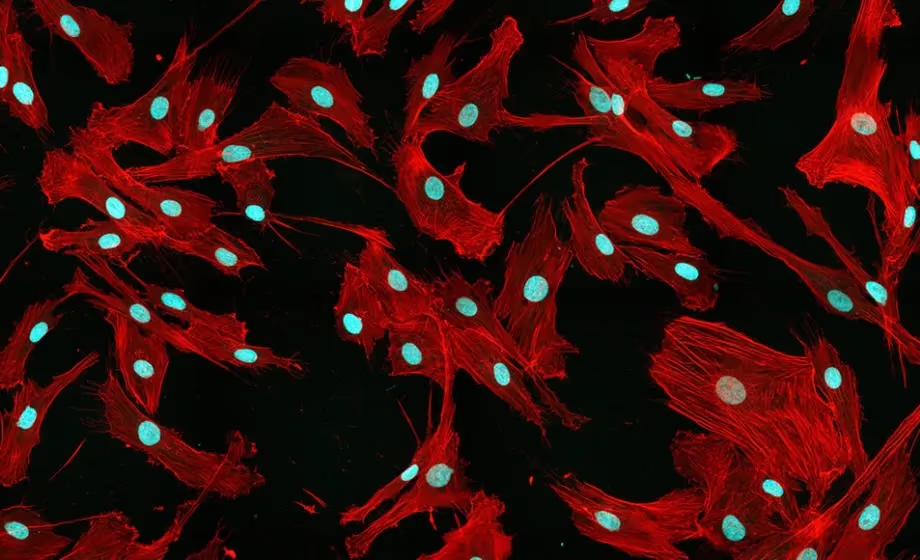
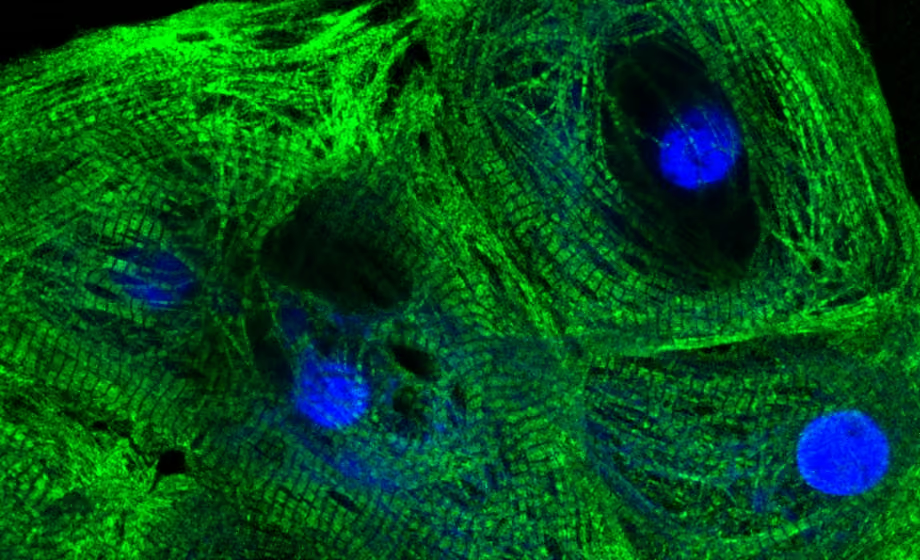
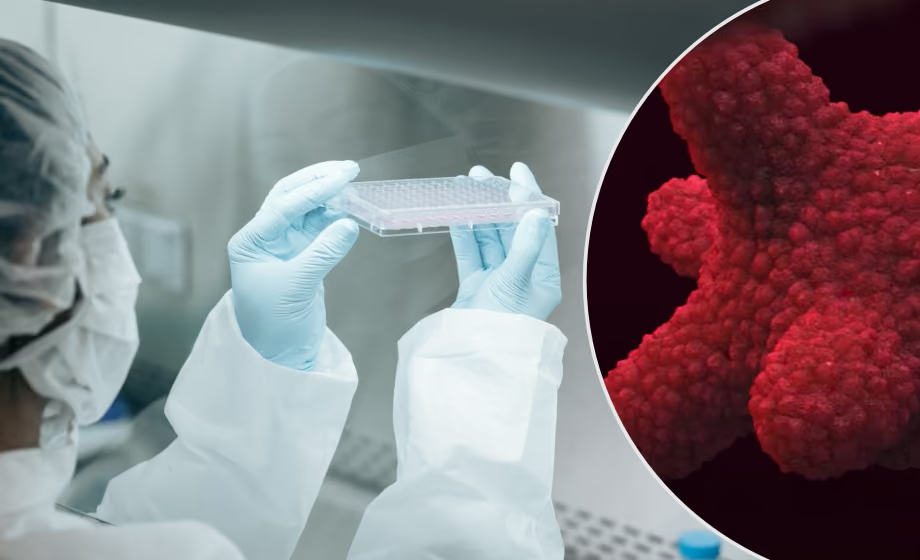
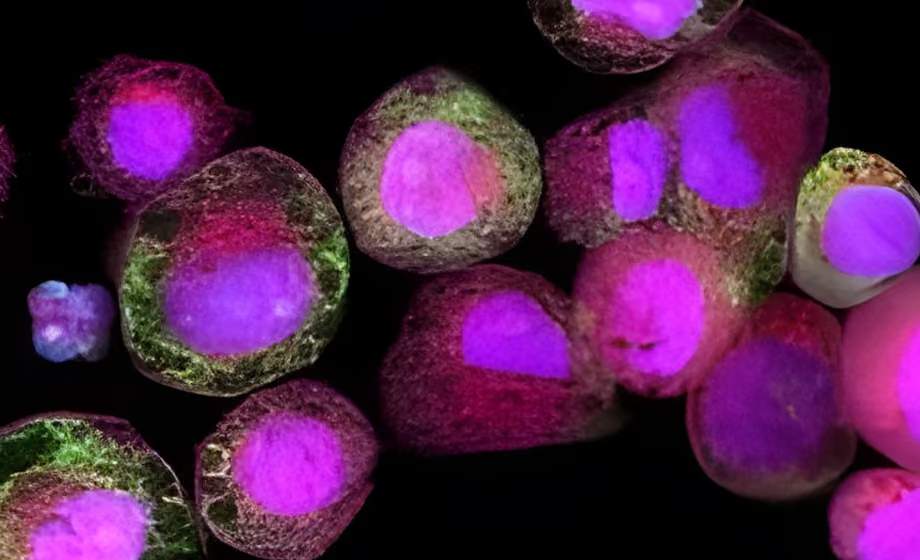
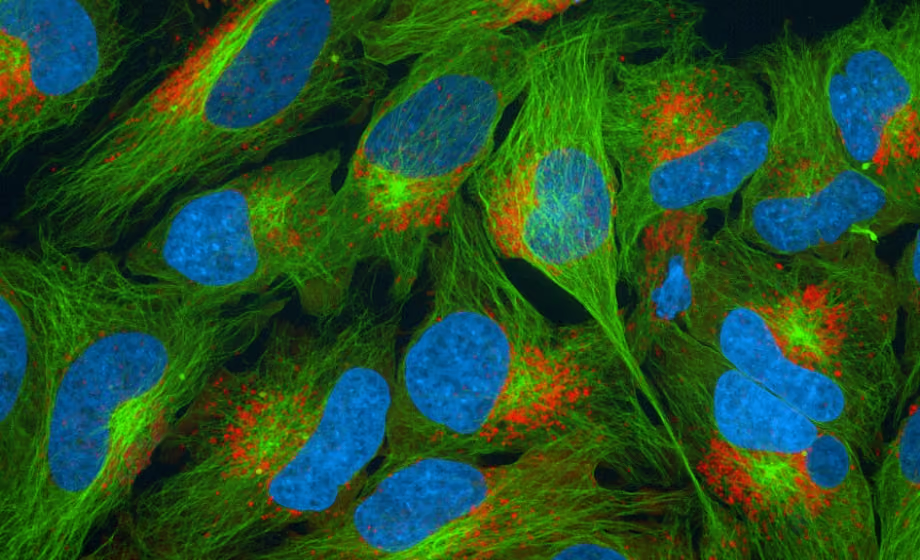
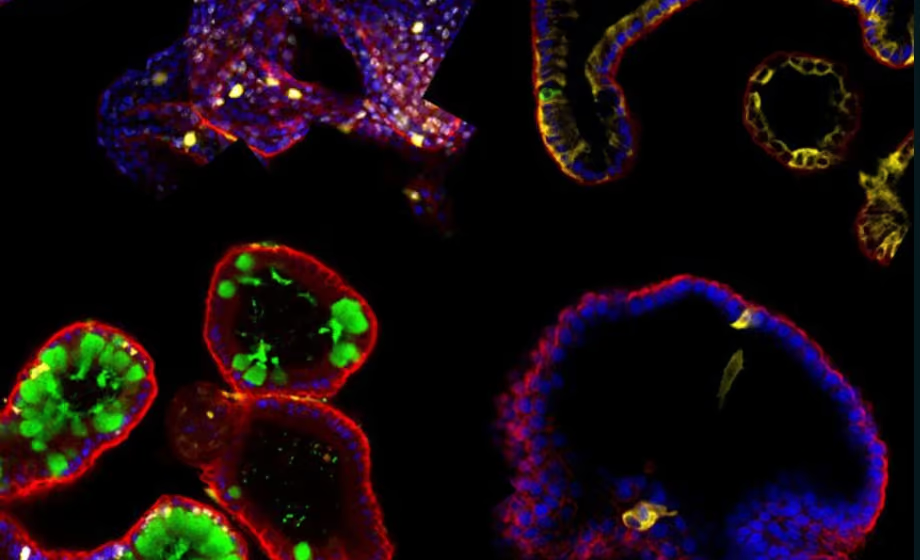
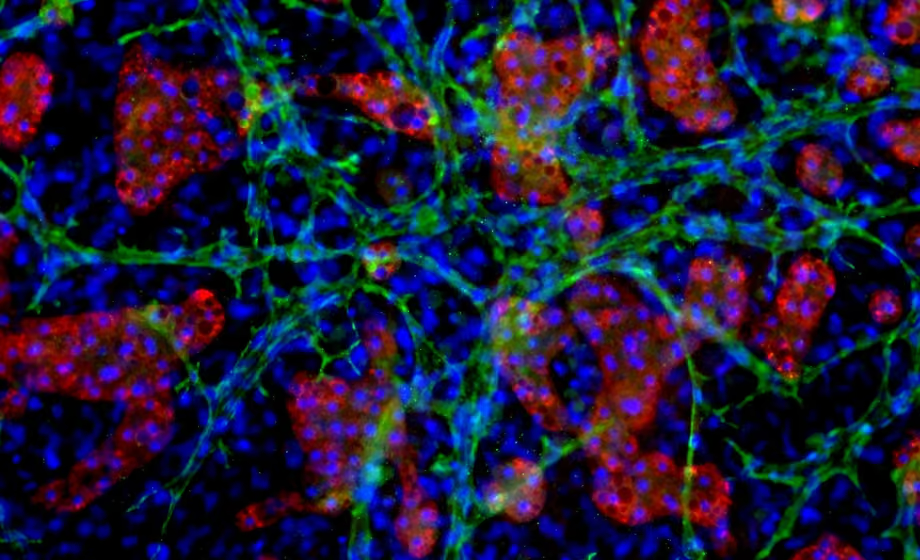
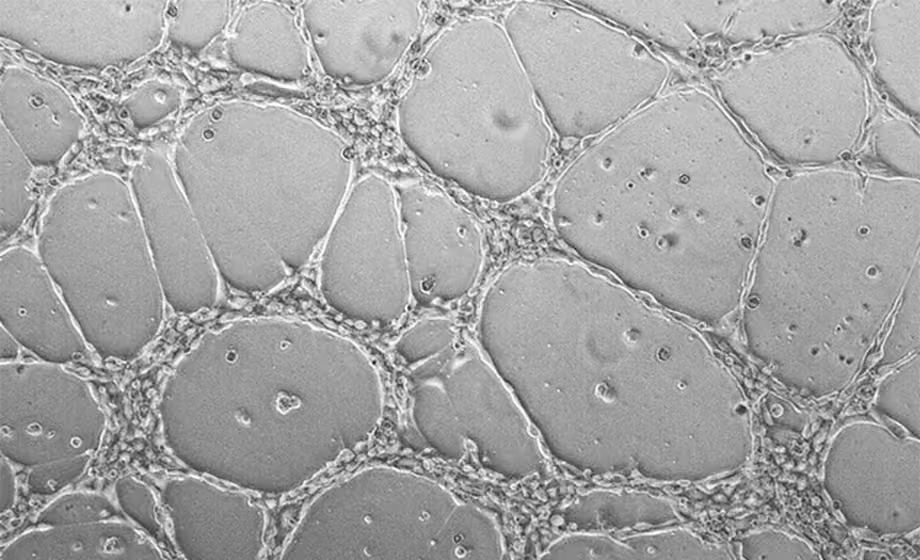
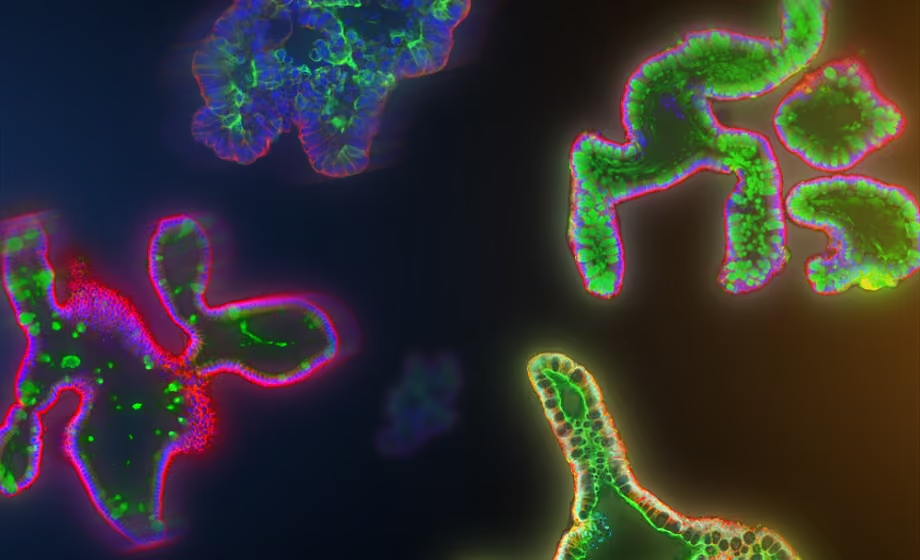
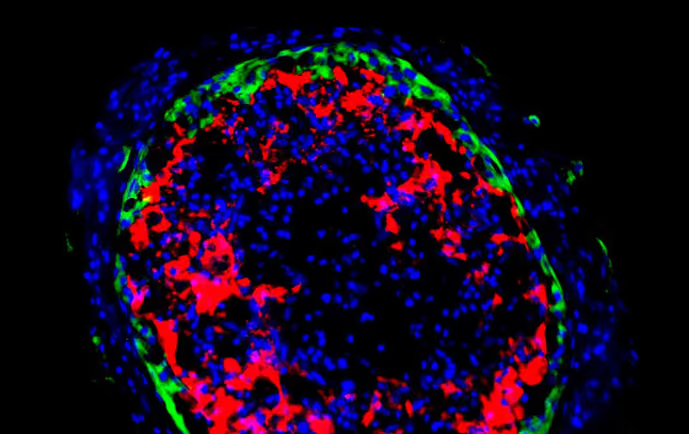
In this webinar, Dr. Marrit Putker, Dr. Pirouz Daftarian, and Dr. Saskia De Man focus on the impact of T cell-directed immunotherapy on the cancer-immunity cycle. Mechanisms and targets capable of modulating and enhancing T cell activity will be presented, including the application of relevant methods such as organoid models and co-cultures, and the integration of High Content Imaging (HCI).
Featuring Insights from
Saskia De Man
PhD
Dr. Saskia De Man performed her PhD research at the University of Amsterdam with Renée van Amerongen. Here, she used advanced imaging and gene editing techniques to study WNT/beta-catenin signalling at endogenous levels. During this time, she was also a Fulbright Scholar and joined the lab of Andres Lebensohn at the National Institutes of health for several months. Since finishing her PhD, Saskia has joined the immuno-oncology department at CrownBioscience the Netherlands, where she applies her knowledge in cell biology and advanced microscopy to help clients test their immune modulatory drugs in a relevant 3D in vitro culture system.
Marrit Putker
PhD
Dr. Marrit Putker (Director in vitro & R&D) received training in molecular cancer biology at Utrecht University, followed by postdoctoral studies at the MRC LMB (Cambridge, UK) and the Hubrecht Institute (Utrecht, NL). Concentrating on tumor stem cell biology and drug sensitivity, she has developed and gained expertise in state-of-the-art organoid technologies while working in the lab of Prof. Dr. Clevers. In 2020, she joined Crown Bioscience to setup and lead the novel research site in Utrecht. From this organoid-research-dedicated laboratory, she now continues to manage Crown’s in vitro R&D activities, driving collaborations with academic and industry partners around the globe.
Pirouz Daftarian
PhD
Dr. Pirouz Daftarian completed his PhD training in immunology in Faculty of Medicine of the University of Ottawa, in 1998. Since then, he has been leading studies on cancer immunology and autoimmunity, in academia, and biotech. He joined Crown Bioscience / JSR Life Sciences in 2017 and led the developing applications for IO products and as a Director of Scientific Engagement for models of autoimmunity and In Vitro IO. Of prior experience, pirouz was with NGM Biopharmaceutical, was a faculty at Miller School of Medicine of University of Miami and a Head Scientist, Cancer Biology, at IMV Inc. Pirouz has authored > 80 peer reviewed papers, has served as a reviewer of DOD, NIH, NCI, is a reviewer for several journals, and acted as a consultant pharma and biotech companies.
Sponsored by
Crown Bioscience
In Partnership with
Scientist.com
Scientist.com is the world’s largest and first platform built for the intricacies of scientific outsourcing.
We help pharmaceutical and biotechnology organizations discover, engage, manage, and scale relationships with the providers that support every stage of the pipeline—from discovery and preclinical research to clinical development, manufacturing, medical affairs, and commercialization. Through a centralized platform, organizations can access a global network of 6,000+ providers, streamline sourcing and procurement workflows, maintain compliance, manage supplier relationships, and leverage data-driven insights to make faster, more informed decisions.
Today, Scientist.com supports more than 130 life science organizations, including 24 of the world's top 30 pharmaceutical companies, helping teams reduce operational complexity, accelerate timelines, and bring innovations to patients faster. Our mission is to make it possible to cure all human disease by 2050.




.avif)