- Researchers using spatial biology technologies, especially multiplex immunohistochemistry
- Researchers running high-throughput analyses interested in efficient mid-plex immunohistochemistry assays
- Translational immuno-oncology researchers exploring the spatial context of tumor microenvironments
Webinar Summary
- How SignalStar Multiplex IHC works—an overview of the mechanics and how it unlocks spatial insights
- How SignalStar Multiplex IHC demonstrates reproducibility and flexibility
- How to design experiments efficiently with a user-friendly online panel builder—enabling precision planning
Webinar Highlights
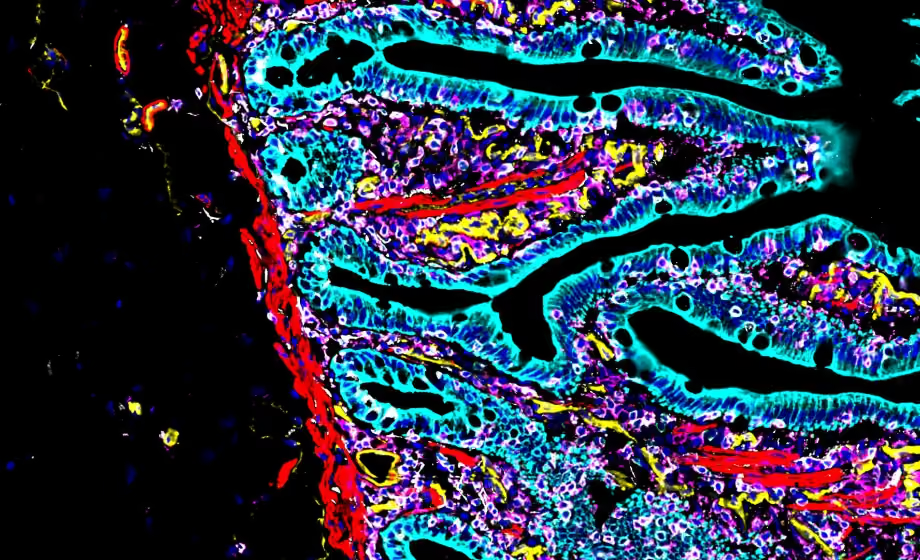
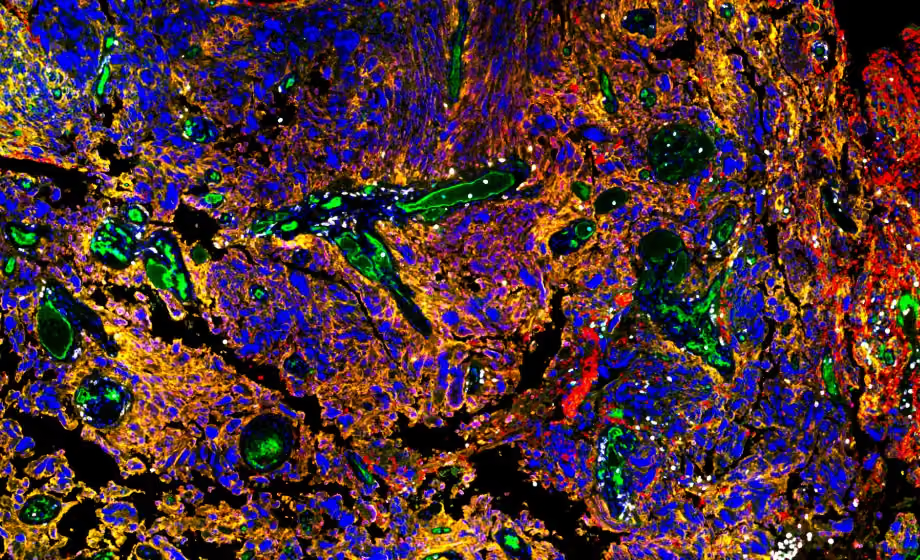
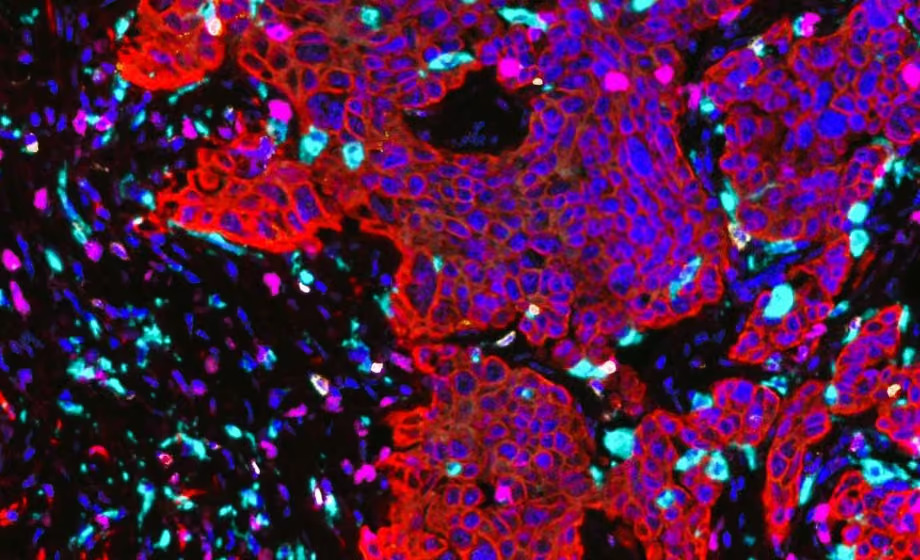
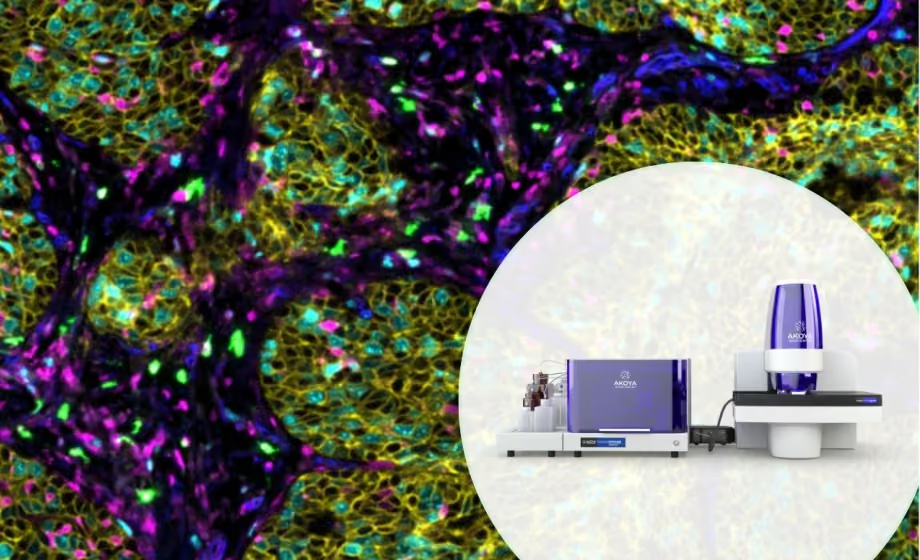
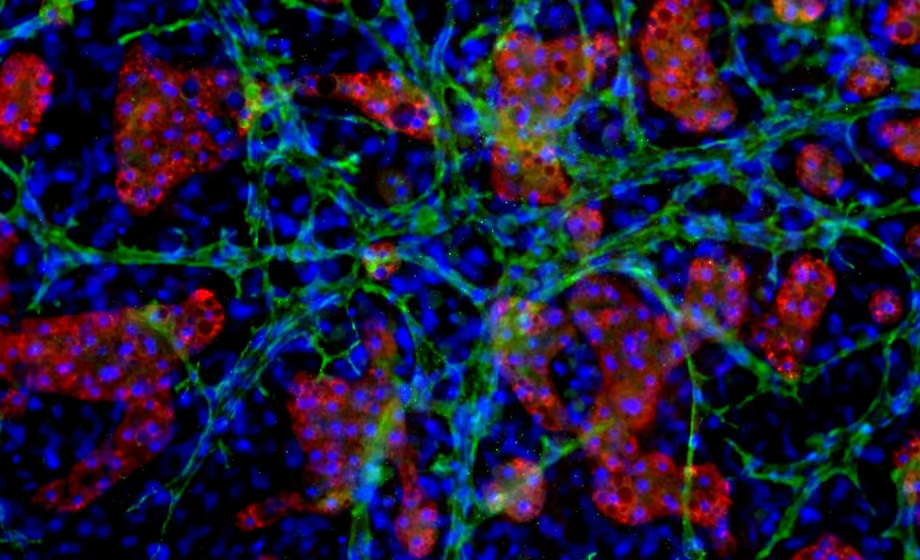
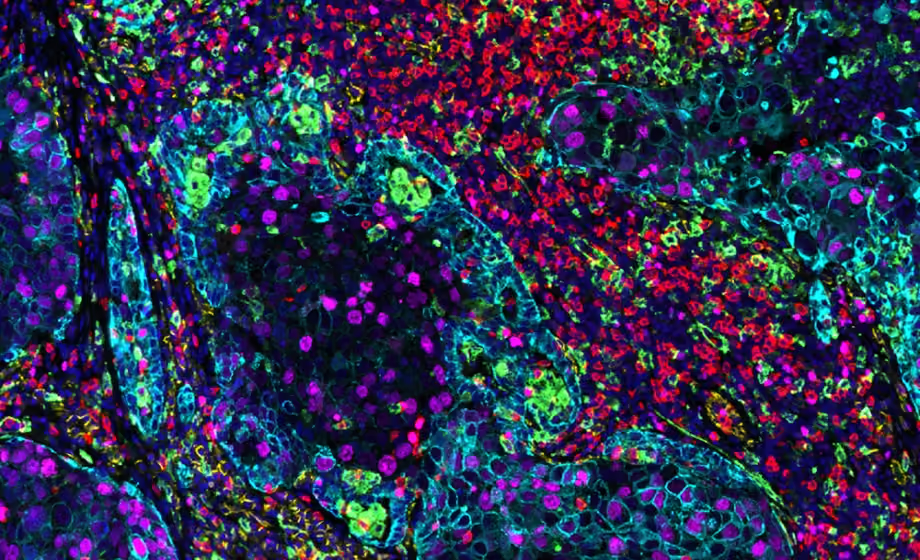
Many current spatial biology and multiplex immunohistochemistry technologies involve time-consuming methods for panel optimization, validation, and analysis—which typically take weeks to months, slowing down scientific discovery. With SignalStar Multiplex IHC, researchers can generate results in as little as two days with optimized, ready-to-go panels.Join us for a webinar led by Dr. Sarah Klein, Associate Director of Multiplex Assay Development at Cell Signaling Technology, to learn about SignalStar Multiplex IHC, an innovative technology that empowers spatial biology research that harnesses the synergy of specific primary antibodies and a network of fluorescent oligonucleotides to efficiently amplify the signal of cellular proteins in formalin-fixed, paraffin-embedded (FFPE) tissue samples.With SignalStar Multiplex IHC, you gain:
- Rapid Insights: Generate results in 2 days with optimized, ready-to-go panels
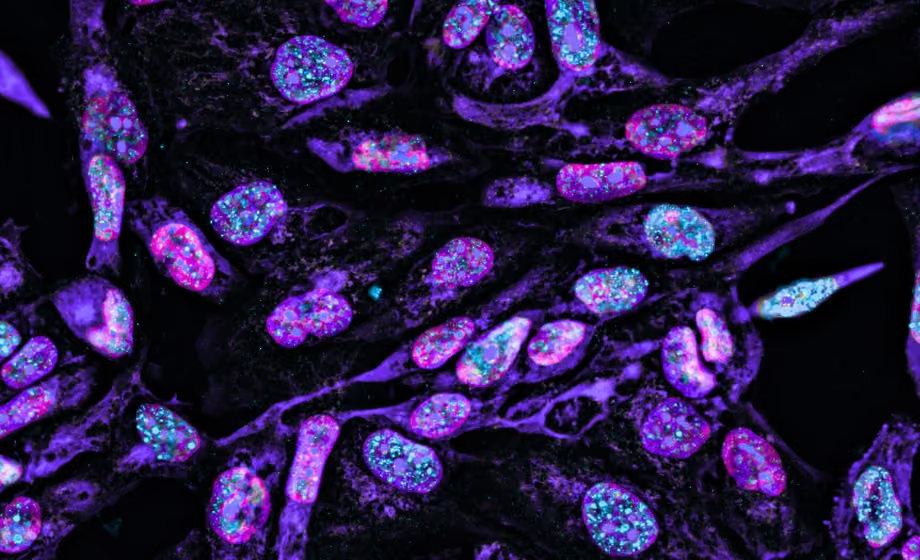
- Visual Clarity: Detect and visualize up to 8 targets in FFPE tissue
- Amplified Precision: Amplify the signal of targets with low levels of expression
- Instant Start: Leverage ready-to-go protocols that are validated and optimized to work out of the box
- Seamless Integration: Easily employ your existing fluorescent imagers 
Featuring Insights from

Sarah Klein
PhD
Sarah Klein, PhD, is the Associate Director of the Multiplex Assays Group at Cell Signaling Technology (CST). This group was instrumental in the development and validation of SignalStarTM Multiplex IHC. Dr. Klein has been with CST for 7 years, developing antibody-based solutions in the fields of immunology and oncology. She performed her postdoctoral research at Dana Farber Cancer Institute in Boston, MA, and her doctoral research at MD Anderson Cancer Center in Houston, TX, studying the mechanisms of action for immunotherapeutics used in the treatment of cancer, particularly glioblastomas.
Sponsored by
Cell Signaling Technology Inc.
In Partnership with

Scientist.com
Scientist.com is the world’s largest and first platform built for the intricacies of scientific outsourcing.
We help pharmaceutical and biotechnology organizations discover, engage, manage, and scale relationships with the providers that support every stage of the pipeline—from discovery and preclinical research to clinical development, manufacturing, medical affairs, and commercialization. Through a centralized platform, organizations can access a global network of 6,000+ providers, streamline sourcing and procurement workflows, maintain compliance, manage supplier relationships, and leverage data-driven insights to make faster, more informed decisions.
Today, Scientist.com supports more than 130 life science organizations, including 24 of the world's top 30 pharmaceutical companies, helping teams reduce operational complexity, accelerate timelines, and bring innovations to patients faster. Our mission is to make it possible to cure all human disease by 2050.















.avif)