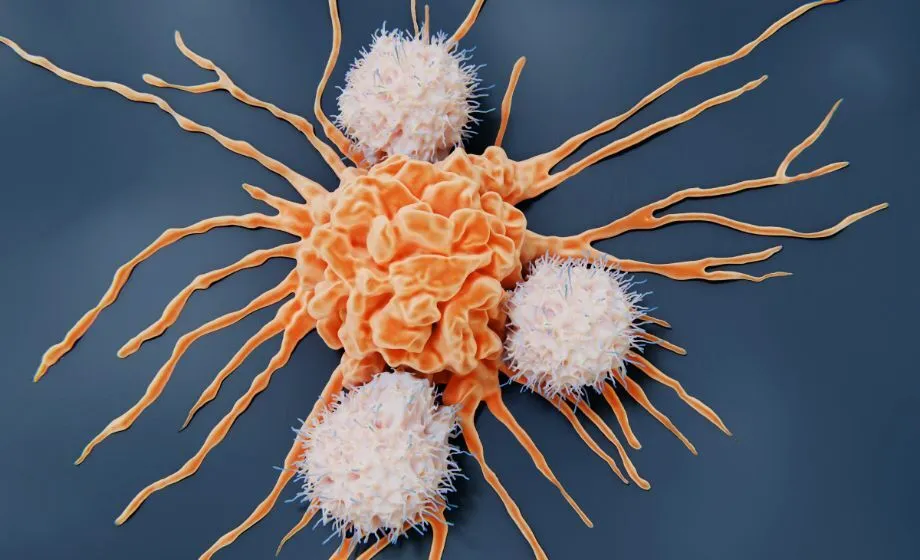
Cancer Immunotherapy: Viruses, Vaccines, and other Immuno-Oncology Treatments Blog post by Jasmin Skinner Despite significant advances in chemotherapy, radiation therapy, and surgical options, cancer remains the second leading cause of death in the United States (1). Consequently, there remains a pressing need for new and effective methods of cancer prevention and treatment. In recent years, vaccines have emerged as a promising approach for both preventing the development of cancer and treating established malignancies (1). In this article, we will explore the use of vaccines for the prevention and treatment of cancer, highlighting a number of existing therapies and discussing the potential clinical use of cancer vaccines.
What's Next in Preclinical Cancer Immunotherapy Research? This webinar features a discussion of current and emerging methods, recent publications, and future directions for the field of cancer immunotherapy. Participants will gain an understanding of how the cancer immunity cycle impacts cancer immunotherapy development, and will also learn about a few novel solutions that could help overcome the difficulties of immunotherapeutic development. WATCH NOW
Prophylactic Cancer Vaccines
Prophylactic, or preventive, vaccines are designed to prevent the onset of cancer by eliciting a specific immune response against cancer cells before they can develop (1). One well-known example is the human papillomavirus (HPV) vaccine, which targets a sexually transmitted virus that commonly causes cervical and oral cancer (1). The HPV vaccine acts by stimulating the immune system to produce neutralizing antibodies that prevent the HPV virus from binding to a host cell, thereby preventing the development of cancer (1). Another example of a prophylactic cancer vaccine is the hepatitis B virus (HBV) vaccine. HBV is a leading cause of hepatocellular, or liver, cancer globally, and the HBV vaccine has been shown to be highly effective in preventing HBV infection and reducing the risk of liver cancer (1). HBV vaccinations of infants in Taiwan have shown that the rate of hepatocellular cancer in vaccinated children aged 614 was reduced by approximately 70% (1).
Therapeutic Cancer Vaccines
In contrast, therapeutic vaccines are administered after a patient has received a cancer diagnosis. Their intent is to reduce and eliminate any remaining tumor cells while also establishing a persistent anti-tumor immune memory for long-term protection against cancer recurrence (2). The underlying principle of therapeutic vaccines is to prime the immune system against tumor-specific antigens, allowing the body to mount an appropriate immune response (2). There are currently three major types of therapeutic cancer vaccines: viral, cellular, and peptide-based vaccines (3). Therapeutic viral vaccines affect tumor prevention and eradication with a notably

Take the Next Step
Explore Suppliers
Browse trusted partners with relevant expertise
Review Capabilities
Compare services, experience, and past work
Start Your Project
Connect and begin collaborating
.png)

.jpg)





.png)
.avif)




.avif)