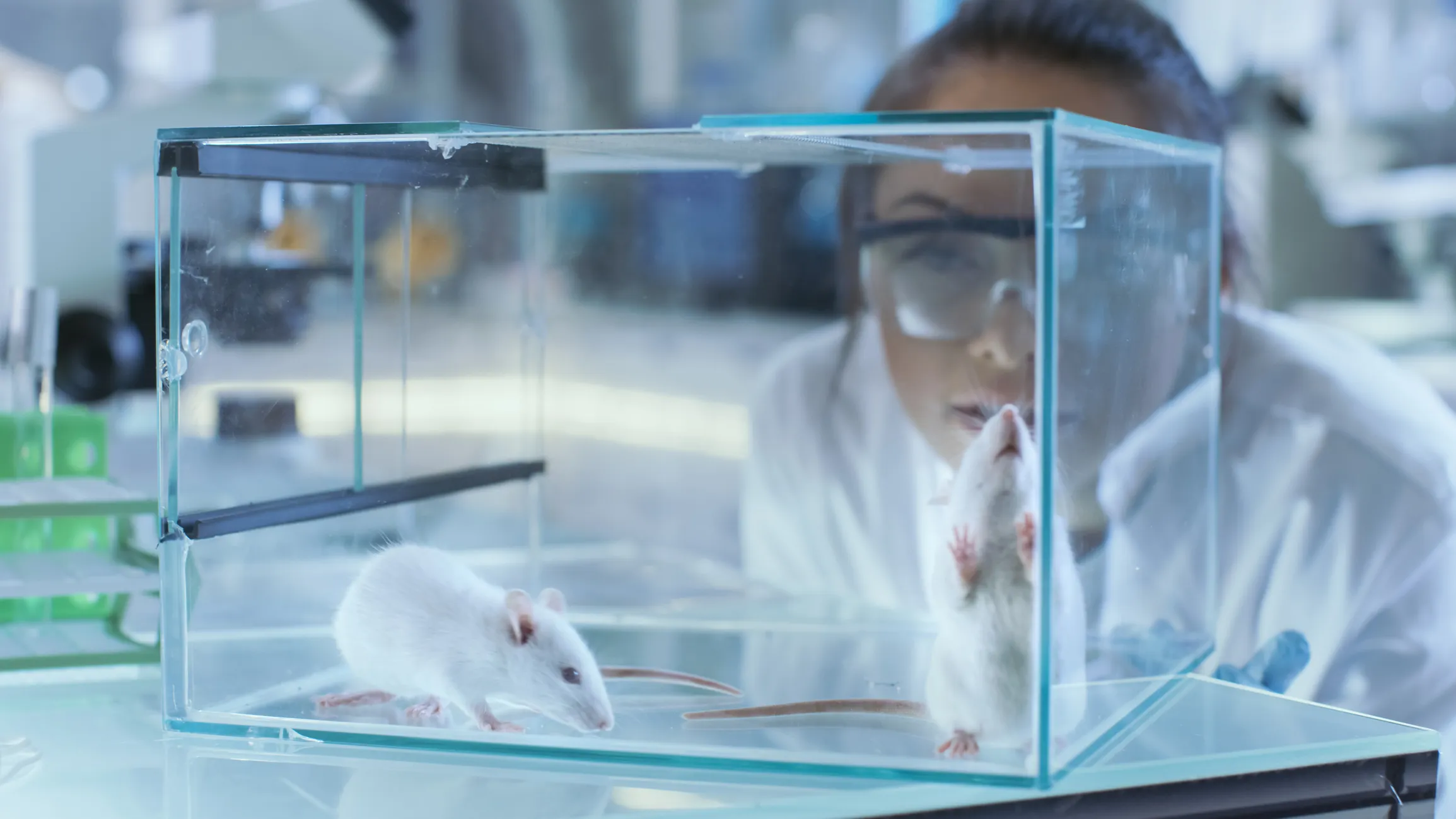
Stem cells have attracted a great deal of deserved attention due to their lineage-independent characteristics. In other words, they have the potential to be differentiated into a countless number of cell types. Adult stem cells, otherwise known as inducible pluripotent stem cells (iPSCs), are particularly favorable as research tools because they are derived from a patient’s somatic cells such as blood, skin or muscle. As such, iPSC models serve as “patient in a dish” models, offering advantages over conventional methods - like rodent models and immortalized cell lines - that are not always able to model human disease or may have numerous genetic and genomic instability problems.
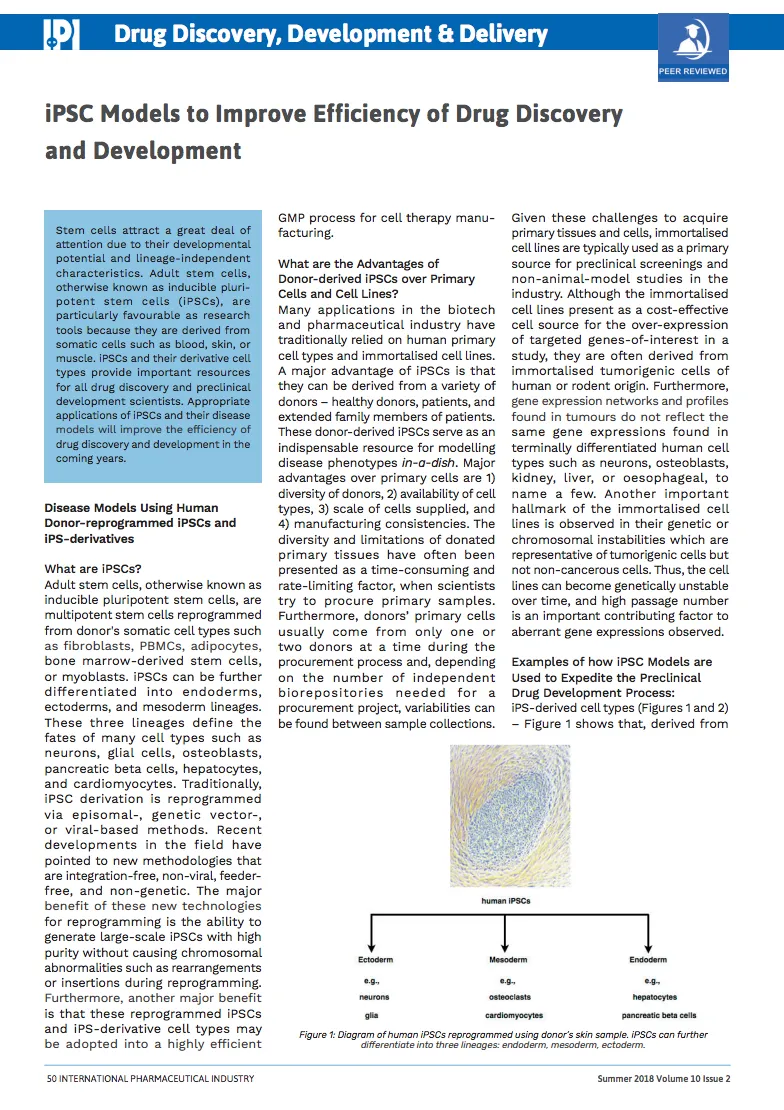
iPSC Models to Improve Efficiency of Drug Discovery and Development
Tempo Bioscience creates patient-derived iPSC models that can be engineered into 3D spheroids and organoid models that provide meaningful results and insights for scientists. The company continues to stay innovative by engineering numerous iPSC models, 3D spheroids and organoid models from a wide range of donors and incorporates Tempo’s biosensor technology that serves as fluorescent intensiometric reporters for recording live-cell responses into the models. The company believes that as the need for iPSC models increases, the field will expand its applications to include additional cell-based disease models, multi-organ toxicity assays, cytotoxicity assays and biomarker validations. In the article, iPSC Models to Improve Efficiency of Drug Discovery and Development , the team from Tempo Bioscience discusses several key issues regarding how the iPSC models can improve the efficiency of drug discovery and development.
To learn more about Tempo Bioscience and their services, visit their profile here.

Take the Next Step
Explore Suppliers
Browse trusted partners with relevant expertise
Review Capabilities
Compare services, experience, and past work
Start Your Project
Connect and begin collaborating
.png)

.jpg)





.png)
.avif)




.avif)