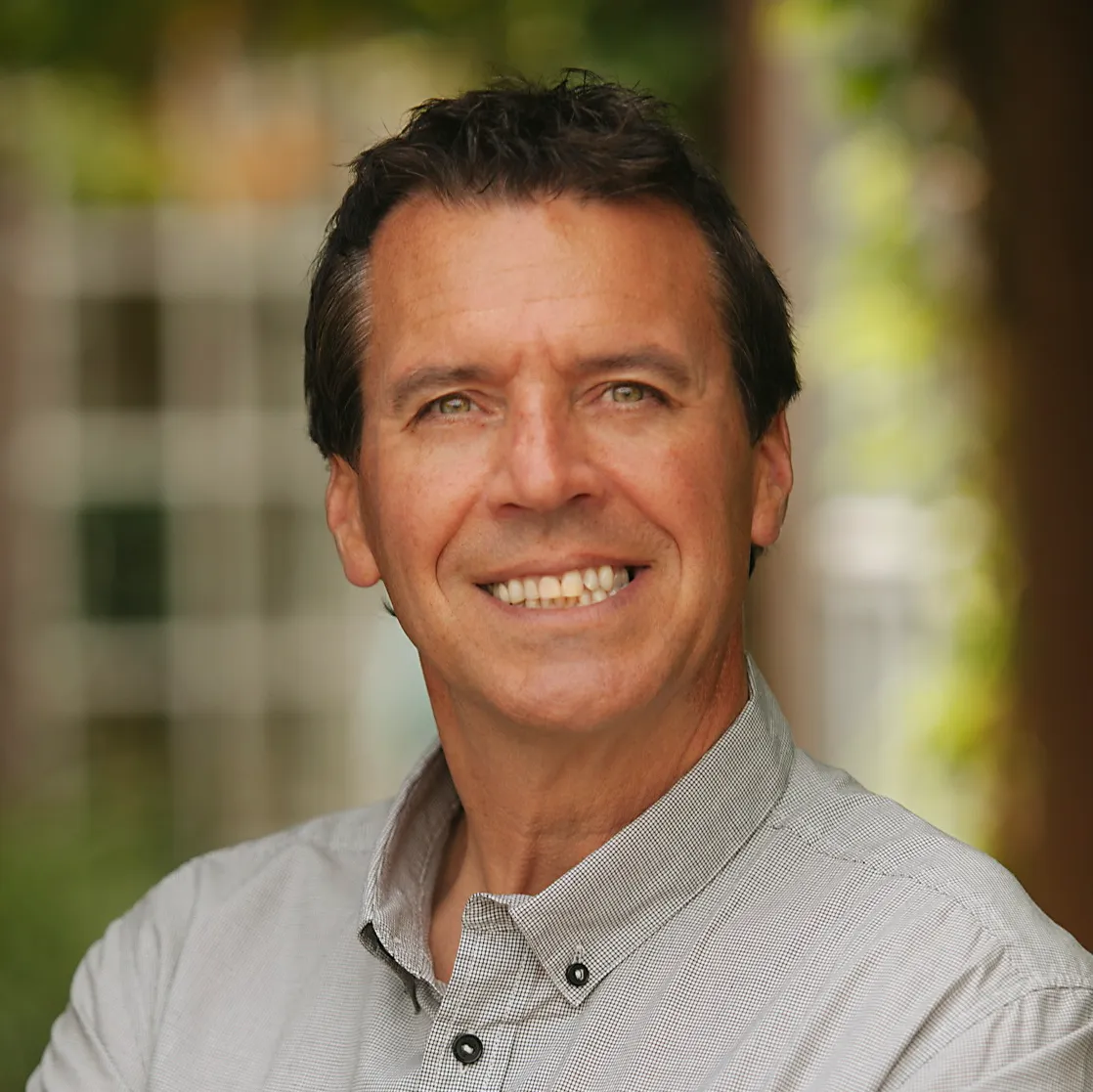
Meet Kevin Lustig
For this leadership Q&A, we sat down with our very own Kevin Lustig, Founder and CEO of Scientist.com, to get an inside look at how this company came to be, what defines a successful leader, and much more. Keep reading to learn more about Kevin and the mission behind Scientist.com.
How long have you been with Scientist.com, and how did you become involved? There were a few other companies that came before us. But for the most part, we’re one of the first e-commerce marketplaces that the industry has seen. And so it’s been a long while since we started out. I’m fond of saying, we’re an overnight success, 10 years in the making. It’s been a very difficult 12 years, is actually really what it really is, to get to where we are today as a dominant position as a market leader.
How do you strive to uphold Scientist.com’s mission? For me, one of the defining characteristics of people that fit our culture is that they put the company first. They put the company brand ahead of their personal brand. You know, for example, when they’re making a decision, they’re not thinking what’s in it for me? There’s thinking of the company and the mission first, and I really do find that to be one of the defining characteristics of the best cultural fits for Scientist.com
As a leader, what are some of your personal values that you aim to promote within the company? I made a decision long ago that I wasn’t going to waste time. I was going to try to do something that was of course fulfilling for me, but that also would be something that would leave the world a better place than when I found it. And I think we all need to be doing that in our lives regardless of whether you’re doing medical research or working in a garden or working on a train doesn’t really matter. There’s honor in everything we do, and there’s a purpose that we can all define for ourselves. I’ve just happened to have defined the very difficult mission of changing a trillion-dollar industry for the better.
What, in your opinion, makes Scientist.com stand out from its competitors within the industry? I believe very firmly that employees are the most important piece of the equation. Outstanding employees give you a highly satisfied customer. No one flows into the other. But clearly Scientist.com is all about the culture. It is about having outstanding employees and nurturing them both in their personal life and in their professional life. That is our path to success.
What do feel are the most important qualities of a successful leader? I really found that as a CEO, the most important role that I play in the company is creating an environment and defining a mission around which an incredibly strong culture can be built. Yes, I’m here to help raise money and to help with projects. But the main role that a great CEO plays is to not just build the culture because as you know, cultures are very fragile, right? You need to continue to tend to that culture. It’s almost like a garden you need to go in every day. And sometimes it’s removing the weeds, sometimes it’s fertilizing. It’s really very similar, you might need to keep an eye out at all times because even one bad apple can really undermine a great culture.
Is there such a thing as ‘born leaders? I believe that some people are better at leading than others, and there are those that enjoy leading but aren’t necessarily good at it, but I’m not sure if there is such a thing as a born leader. It’s just something we’re thrown into at some stage in our lives, whether childhood or as young adults, and develop over the years.
Do you or did you have a mentor? If so, how has that individual inspired you to become the leader you are today? I’ve had many mentors that have helped me along my journey.
What is one piece of advice you would give to aspiring leaders in this industry? Culture is absolutely paramount. And what I mean by that is if you’re building a factory that’s creating a widget, and you know how to create that widget culture is probably a little less important. It’s still important. But I’ve been involved in building pharmaceutical companies and building marketplaces and in those situations, we don’t know what we’re building. Another analogy is, we’re flying the plane while we’re trying to rebuild it and make it faster and make it more maneuverable. And, and that is just absolutely incredibly difficult to do. So when you’re in a research environment, when you’re solving problems that no one else has ever solved, culture is just absolutely essential to your success.
What makes you proudest when reflecting on your time at Scientist.com? We’re on a mission to make it possible to cure all human diseases by 2050. It’s a mission that you can be proud to go and tell your mother about. And I know it sounds maybe a little bit of delusions of grandeur, but the way we think about it is that that trillion-dollar pharmaceutical industry means a giant rock on top of the hill. And we’re this little teeny little lever, and we’re trying to lever this rock up, and if we can just get that lever in and push in the right way, we could get that rock rolling downstream to a place where drugs will be 10 fold less expensive to develop. We will have 10 fold more drugs on the market for that $150 billion that we’re spending every year. We’re spending that money, obviously incredibly inefficiently.
Where would you like to see Scientist.com two years from now? What we’re trying to do is build a marketplace that allows us to spend that money incredibly efficiently and put a lot more drugs on the market for people that need them. So from us, the mission from day one was to transform medical research. And I have to be honest, 12 years ago when we told people that they many left and said, good luck with that. You know, that’s something that will not happen in your lifetime. And we’re 12 years in and we’re only 5% of the way, but we’ve clearly made significant progress. It’s clearly doable.
Connect with Kevin on Linkedin.

Take the Next Step
Explore Suppliers
Browse trusted partners with relevant expertise
Review Capabilities
Compare services, experience, and past work
Start Your Project
Connect and begin collaborating
.png)

.jpg)



.png)
.avif)


.avif)