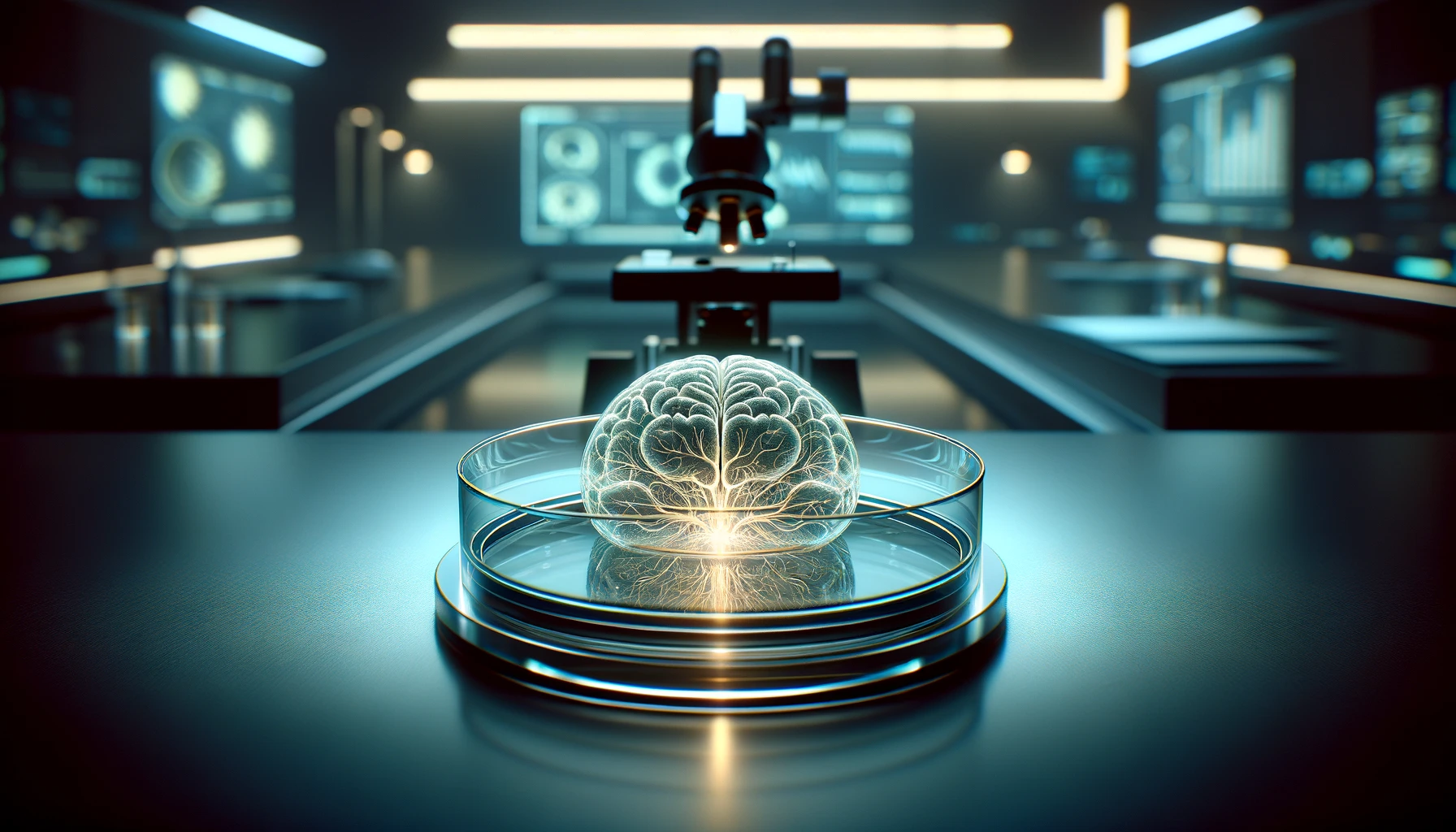
A No-Brainer: Organoids for Neuroscience Research Blog post by Liam Sanio Brain organoids are three-dimensional models derived from human stem cells, with the purpose of recapitulating the human brain's structure and function. Often referred to as "mini-brains", these organoids offer a platform for understanding human brain development, neurodevelopmental disorders, and the effects of various genetic and environmental factors (Yakoub & Sadek, 2019) , (Trujillo & Muotri, 2018) . Given their more accurate representation of human cerebral complexity, they thus enable the detailed study of synaptic connections, synaptogenesis, and dysfunction, which are crucial for understanding complex neural circuits and neurodevelopmental disorders such as autism.
The significance of brain organoids extends beyond basic research. They are crucial in addressing the limitations of traditional animal models in neuroscience, and offer a more human-relevant model while addressing the ethical concerns associated with animal research. Moreover, brain organoids have promising applications in drug discovery, personalized medicine, and enhancing our understanding and the treatment of neurological diseases (Quadrato et al., 2017) , (Gabriel et al., 2020) . It is therefore unsurprising that interest in organoid research is growing rapidly, fueled by both technological advances and the demand for better models in neuroscience. Brain organoids offer a new and exciting opportunity to investigate human brain structure and function in ways that were previously not possible.
The Evolution of Neuroscience Research
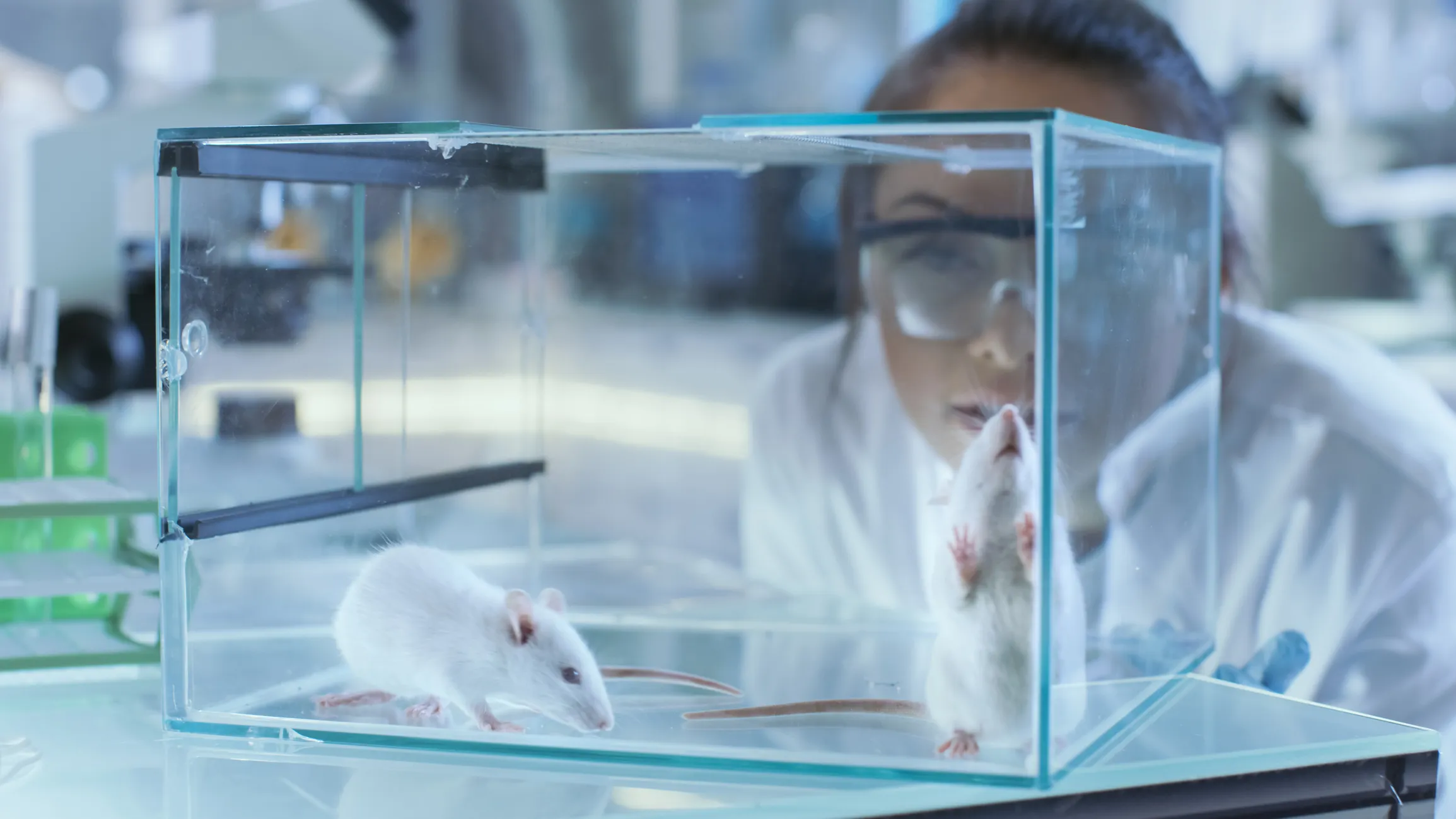
Animal models have historically been indispensable in neuroscience research, offering critical insights, but also face limitations due to species-specific differences and ethical concerns. Brain organoids, on the other hand, replicate many key features of early human brain development at molecular, cellular, structural, and functional levels, including aspects that are unique to humans. The introduction of immortalized or primary cell lines, and later induced pluripotent stem cells, represented substantial progress, yet these methods often failed to fully mimic the in vivo microenvironment of the developing or pathological human brain. (Panoutsopoulos, 2020), (Qian, Song, & Ming, 2019) .

Take the Next Step
Explore Suppliers
Browse trusted partners with relevant expertise
Review Capabilities
Compare services, experience, and past work
Start Your Project
Connect and begin collaborating
.png)
.jpg)



.png)
.avif)


.avif)