The global prevalence of obesity has risen dramatically over the past several decades, driving a parallel increase in type 2 diabetes (T2D), metabolic dysfunction-associated steatohepatitis (MASH), cardiovascular disease, and several forms of cancer. Together, these disorders place a substantial economic burden on healthcare systems while significantly reducing patients' quality of life. Consequently, therapies that improve metabolic health while promoting sustained weight loss have become a major focus of drug discovery.
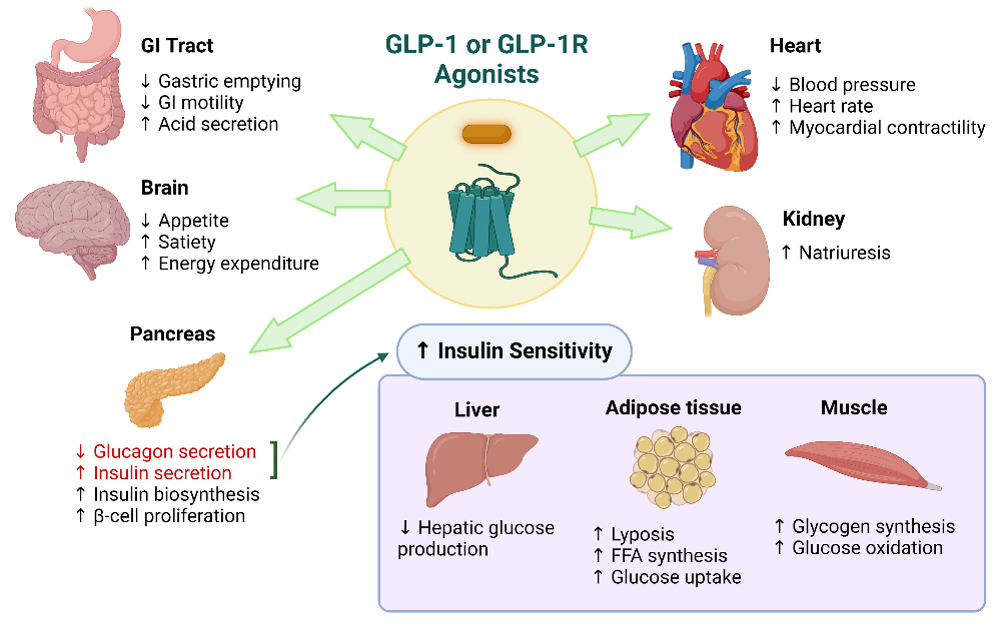
The remarkable clinical success of glucagon-like peptide-1 receptor (GLP-1R) agonists has transformed the treatment landscape. These incretin-based therapies improve glycemic control by stimulating insulin secretion, suppressing glucagon release, promoting satiety, and reducing cardiovascular risk. More recently, dual and triple agonists targeting GLP-1R together with glucose-dependent insulinotropic polypeptide receptor (GIPR) and glucagon receptor (GCGR) have demonstrated even greater improvements in weight loss by simultaneously influencing multiple physiological processes involved in energy balance, glucose regulation, lipid metabolism, and appetite.
Despite these advances, significant challenges remain. One important limitation is the substantial loss of lean muscle mass that frequently accompanies rapid weight reduction. Preserving skeletal muscle while maintaining the metabolic benefits of weight-loss therapies has therefore become a major objective for the next generation of obesity therapeutics. In parallel, researchers continue to seek new approaches capable of improving insulin sensitivity, reducing hepatic steatosis, limiting inflammation, and treating obesity-associated comorbidities such as MASH.
Emerging Therapeutic Targets
Drug discovery efforts are rapidly expanding beyond GLP-1biology to include additional signaling pathways involved in energy homeostasis and metabolic regulation. These include:
- Combination or multi-specific agonists targeting GPCR (G protein-coupled receptors) like GLP-1R, GIPR, GCGR, and GLP-2R
- Myostatin/Activin A signaling
- ALK7 signaling through Activin E
- The leptin-melanocortin circuit
- Thyroid hormone receptor α and β
Each of these pathways regulates distinct aspects of metabolism, including appetite control, glucose homeostasis, lipid metabolism, energy expenditure, and skeletal muscle maintenance. As a result, they have become attractive targets for developing next-generation therapies capable of addressing multiple components of metabolic disease simultaneously.
The following sections briefly summarize the biology underlying these emerging therapeutic targets.
G protein-coupled receptors (GLP-1R, GIPR and GCGR)
GPCRs re among the most intensively studied drug targets in modern medicine. These transmembrane receptors are expressed throughout the body and regulate an enormous range of physiological functions by converting extracellular signals into intracellular responses.
Among metabolic GPCRs, GLP-1R is the best characterized. It is expressed primarily on pancreatic β cells and in several regions of the central nervous system involved in appetite regulation. Activation of GLP1R stimulates cellular processes that ultimately lead to insulin secretion, lipid metabolism regulation and satiety, making it a target for many anti-diabetic and weight loss medications. GLP-1 signaling also contributes to the regulation of lipid metabolism and whole-body energy homeostasis.
Activin/Myostatin pathway
The TGF-β (transforming growth factor beta) superfamily regulates numerous biological processes including cell growth, differentiation, tissue homeostasis, and metabolism. Within this family, myostatin (also known as growth differentiation factor 8, or GDF-8) functions as a negative regulator of skeletal muscle growth.
Elevated myostatin activity has been associated with muscle wasting in several chronic diseases, including cancer, Alzheimer's disease, Duchenne muscular dystrophy (DMD), and spinal muscular atrophy (SMA). Because preservation of lean muscle mass has become an increasingly important objective during pharmacological weight loss, inhibition of myostatin signaling has attracted considerable attention as a potential therapeutic strategy. Interest has also expanded to Activin E, a liver-derived member of the TGF-β superfamily that primarily signals through Activin Receptor-Like Kinase 7 (ALK7, also known as ACVR1C), a receptor highly expressed in adipose tissue. ALK7 signaling regulates adipocyte biology, lipid storage, and whole-body energy metabolism, making this pathway another promising target for obesity and metabolic disease research.
Growing evidence suggests that modulation of myostatin or ALK7 signaling may help preserve muscle mass while improving metabolic health. Several therapeutic candidates targeting these pathways are currently undergoing clinical evaluation, highlighting their potential to complement existing incretin-based therapies.
Leptin-melanocortin circuit
The leptin-melanocortin pathway is one of the central regulators of appetite and body weight. Leptin, a hormone secreted primarily by adipose tissue, circulates to the hypothalamus where it binds the leptin receptor (LEPR) expressed on specific neuronal populations.
Activation of LEPR stimulates production of α-melanocyte-stimulating hormone (α-MSH), which subsequently activates melanocortin-4 receptor (MC4R), a GPCR expressed within hypothalamicneurons. MC4R signaling suppresses appetite while increasing energy expenditure, thereby maintaining long-term body weight homeostasis.
Genetic defects affecting components of this pathway represent one of the best-characterized causes of severe inherited obesity. Consequently, the leptin-melanocortin axis has become an important area of metabolic research, with MC4R representing one of the most promising therapeutic targets for obesity.
Thyroid Hormone Receptor
Metabolic dysfunction-associated steatohepatitis (MASH) is a progressive liver disease strongly associated with obesity, T2D, metabolic syndrome, and hypothyroidism. As MASH prevalence continues to rise worldwide, considerable effort has been devoted to identifying therapies capable of reversing hepatic steatosis while improving metabolic function.
Thyroid hormone receptors are expressed predominantly in the liver, where they regulate cholesterol metabolism, fatty acid oxidation, and energy expenditure. Selective activation of TRβ has been shown to improve lipid metabolism while reducing hepatic fat accumulation and inflammation, making it an attractive therapeutic target for MASH.
These advances recently culminated in FDA approval of Resmetirom, the first TRβ agonist approved for the treatment of MASH, further validating this pathway as a clinically important target.
Cell-based Assay Accelerate Metabolic Drug Discovery
As the number of therapeutic targets continues to expand, robust functional assays have become increasingly important for identifying and characterizing new drug candidates.
Cell-based assays play an essential role throughout drug discovery by measuring biological activity in physiologically relevant systems.They complement t biochemical assays by providing functional information about receptor activation and intracellular signaling. These assays support every stage of early drug discovery, from primary screening through lead optimization and candidate selection.
Applications
- Identify novel agonists, antagonists, or pathway modulators
- Screen large compound libraries
- Characterize mechanism of action
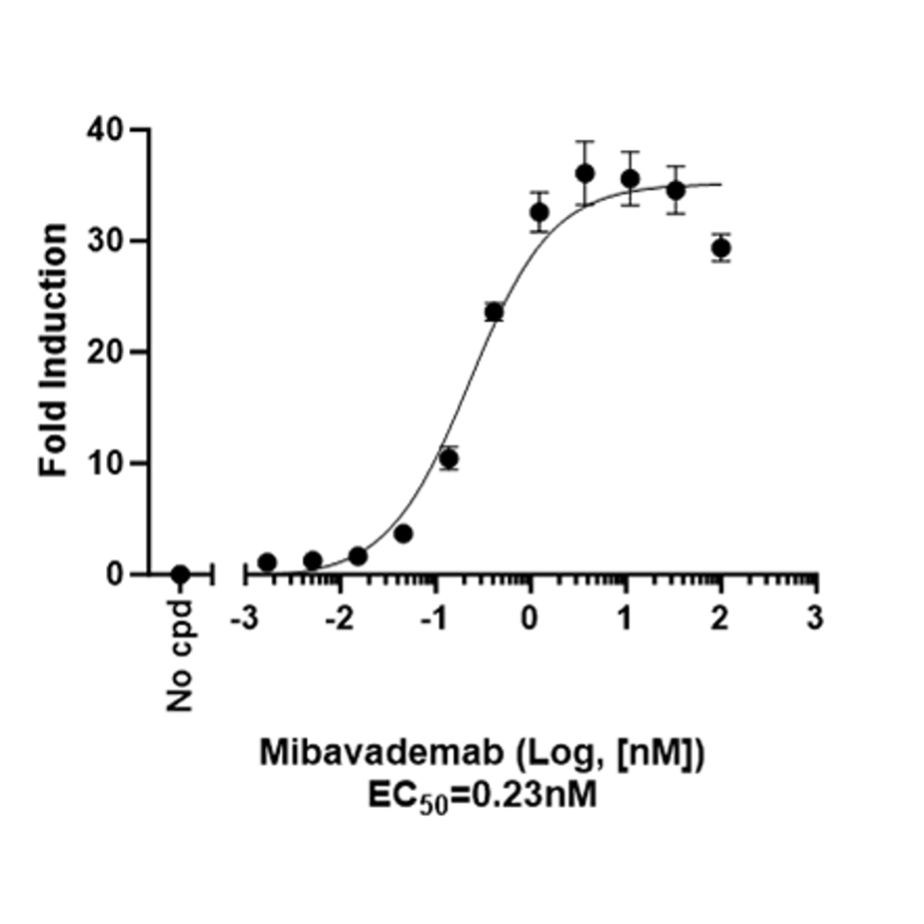
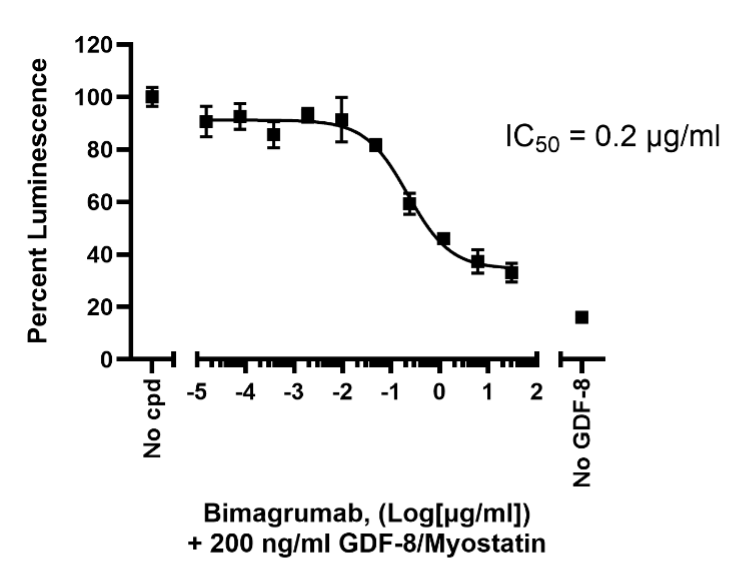
- Determine potency (EC₅₀/IC₅₀)
- Support hit identification and lead optimization
- Compare signaling efficacy among candidate therapeutics
- Evaluate pathway-selective or biased signaling
Advantages
- Stable reporter cell lines (up to 10 passages)
- Extensive functional validation
- Quantitative and reproducible luminescence readouts
- Simple assay workflows suitable for routine laboratory use
- Suitable for high-throughput screening
- Supplied with complete culture and assay protocols
- Accessory reagents optimized for assay performance, including specialized cell culture media and the ONE-Step Luciferase Assay System
BPS Bioscience Reporter Cell Lines Support Metabolic Research
To support the rapid pace of metabolic drug discovery, BPSBioscience has developed a comprehensive portfolio of reporter cell linescovering many of today's most actively investigated therapeutic targets:
- GLP-1R, GLP-2R, GIPR, GCGR
- Leptin
- Amylin
- FGF21 and GDF15
- TGF-β /Activin A /Myostatin-Responsive Luciferase Reporter cells
- MC4R Luciferase Reporter cells
- PPARα and PPARγ (Peroxisome Proliferator-Activated Receptor)
- TRα and TRβ (Thyroid receptor)
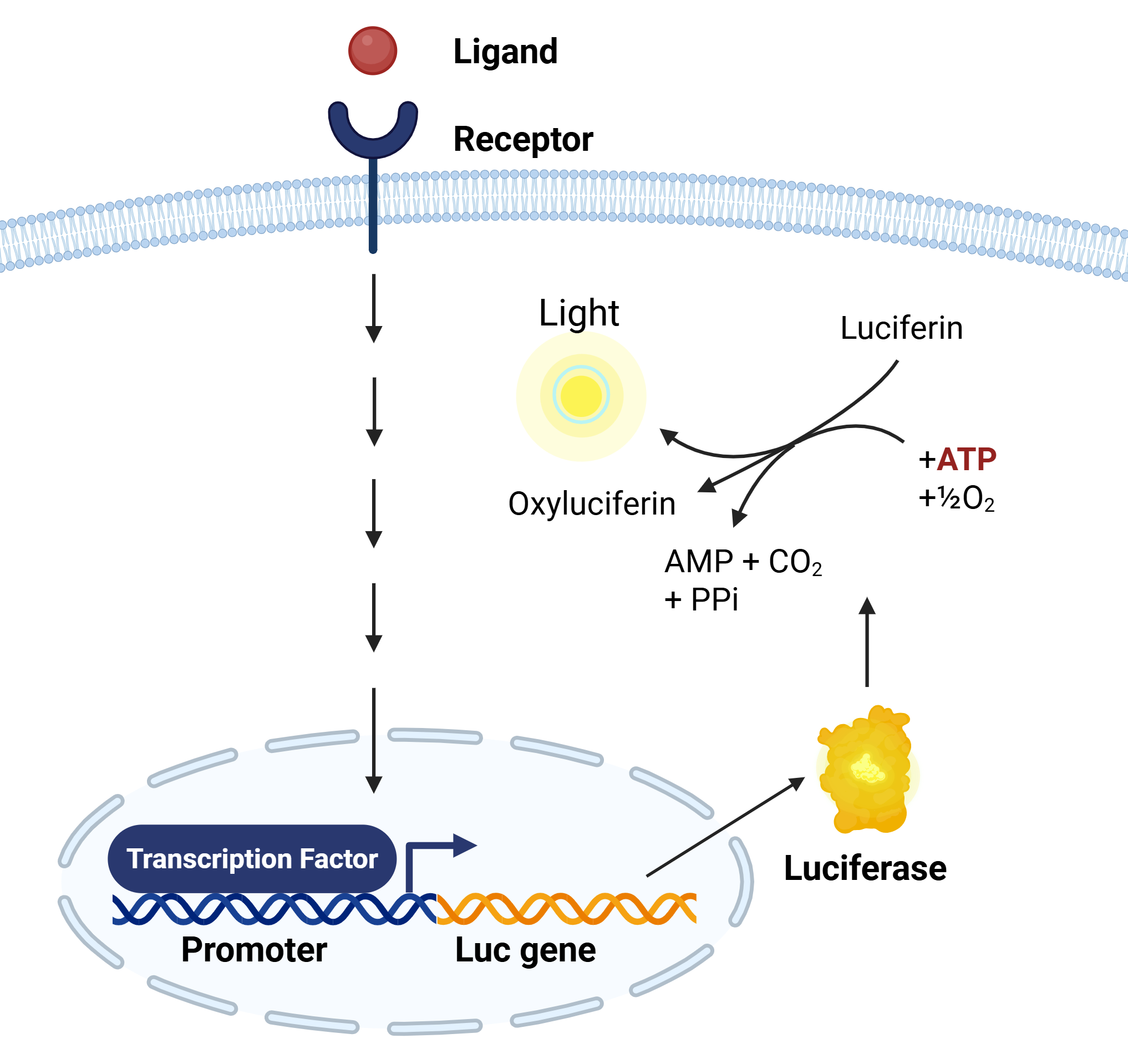
Each stable reporter cell line expresses the receptor of interest together with a pathway-specific firefly luciferase reporter. Upon ligand stimulation, receptor activation induces luciferase expression, generating a sensitive, quantitative, and reproducible luminescent signal proportional to pathway activation. These assays enable researchers to evaluate agonists, antagonists, inverse agonists, and pathway modulators while determining pharmacological parameters such as EC₅₀ and IC₅₀ values.
As the therapeutic landscape continues to evolve beyond traditional incretin biology toward increasingly sophisticated combination therapies and novel signaling pathways, robust functional cell-based assays will remain essential for translating biological discoveries into the next generation of treatments for obesity, diabetes, MASH, and related metabolic disorders.

Take the Next Step
Explore Suppliers
Browse trusted partners with relevant expertise
Review Capabilities
Compare services, experience, and past work
Start Your Project
Connect and begin collaborating




.png)