.png)
Connecting In Vivo Pharmacology with Tissue-Level Biology
Preclinical drug development rarely depends on a single endpoint or single marker measurement. A candidate may need to be evaluated for systemic exposure, pharmacodynamic activity, therapeutic efficacy, safety, biomarker modulation, and tissue response within the same program. When these activities are distributed among multiple providers, timelines and datasets can become fragmented.
APS is developing an integrated approach in which in vivo pharmacology is connected with bioanalysis, biomarker assessment, histopathology, molecular assays, quantitative image analysis and pathology review performed by board-certified pathologists. Depending on the scientific objective, a study can incorporate animal dosing, PK/PD or TK sampling, tissue collection, biomarker testing, histopathological evaluation, image-based quantification, and pathology reporting within a coordinated workflow.
Comprehensive In Vivo Services
APS supports preclinical programs from early discovery and proof-of-concept studies through more advanced pharmacology, toxicology, biomarker, and translational research. Study designs are customized around the therapeutic modality, disease biology, animal model, dosing strategy, and endpoints required for the program.
PK/PD and Preclinical Pharmacology
Pharmacokinetic studies characterize drug exposure and disposition, while pharmacodynamic studies evaluate the biological response to that exposure. APS supports serial blood and tissue collection, exposure assessment, target engagement, biomarker modulation, and tissue-based endpoints. Depending on modality and study design, analytical approaches may include LC-MS/MS, ELISA or ligand-binding assays, qPCR, RT-qPCR, IHC, cytokine profiling, flow cytometry, NGS sequencing, and other molecular or tissue-based methods.
Study parameters can include Cmax, Tmax, AUC, half-life, clearance, and volume of distribution, with exposure data interpreted alongside pharmacodynamic and pathological findings where appropriate. APS supports small molecules, biologics and antibodies, antibody-drug conjugates (ADCs), and nucleic acid therapeutics such as siRNA.
Toxicokinetic and Safety-Focused Studies
Toxicokinetic studies help connect administered dose with systemic exposure and observed toxicological findings. APS supports study design, serial or terminal sample collection, tissue harvesting, plasma preparation, bioanalysis, and pathology-based evaluation. Microsampling strategies can also be incorporated when appropriate to reduce blood volume requirements and support efficient use of study animals.
Biomarker Discovery and Validation
In vivo findings become more informative when they can be linked to measurable biological changes. APS combines tissue and molecular approaches for biomarker discovery and validation, including IHC, multiplex immunofluorescence, RNAscope® in situ hybridization, digital pathology, quantitative image analysis, qPCR, ELISA, cytokine profiling, and other bioanalytical assays. These capabilities can support target engagement, mechanism-of-action studies, pharmacodynamic assessment, translational biomarker research, and tissue-based biomarker validation.
Disease Models and Therapeutic Areas
APS supports studies across a broad range of disease areas, including metabolic disease, oncology and immuno-oncology, inflammatory disease, neurology, cardiovascular disease, fibrosis, infectious disease, wound and tissue damage, and hematology. Programs may use mouse, rat, or rabbit models, including genetically engineered, syngeneic, xenograft, PDX, and other study-specific models. When a standard model does not fit the biological question, study designs can be adapted to the client’s target and objectives.
Scientific Expertise Behind the Platform
An in vivo platform is defined not only by its available models and instruments, but also by the scientists who design the experiments and interpret the results. APS scientists bring experience spanning academic research and biotechnology, including metabolic disease, neurodegeneration, genetically engineered models, oncology, PK/PD/TK, therapeutic efficacy, and translational research.
More Than 20 Years of Experience in Metabolic Disease, PK/PD/TK, and Genetic Models
APS In vivo study team brings more than 20 years of experience conducting in vivo studies involving metabolic disorders, neurodegenerative diseases, and genetically engineered/transgenic mice.
Areas of experience include PK, PD, and TK studies supporting preclinical drug development; screening and evaluation of small-molecule therapeutics; development and evaluation of siRNA and antisense oligonucleotide (ASO) therapeutics; and characterization of gene function in disease development and therapeutic response using genetically engineered and transgenic animal models.
Project Example 1: Small-Molecule Evaluation in a Diabetic Mouse Model
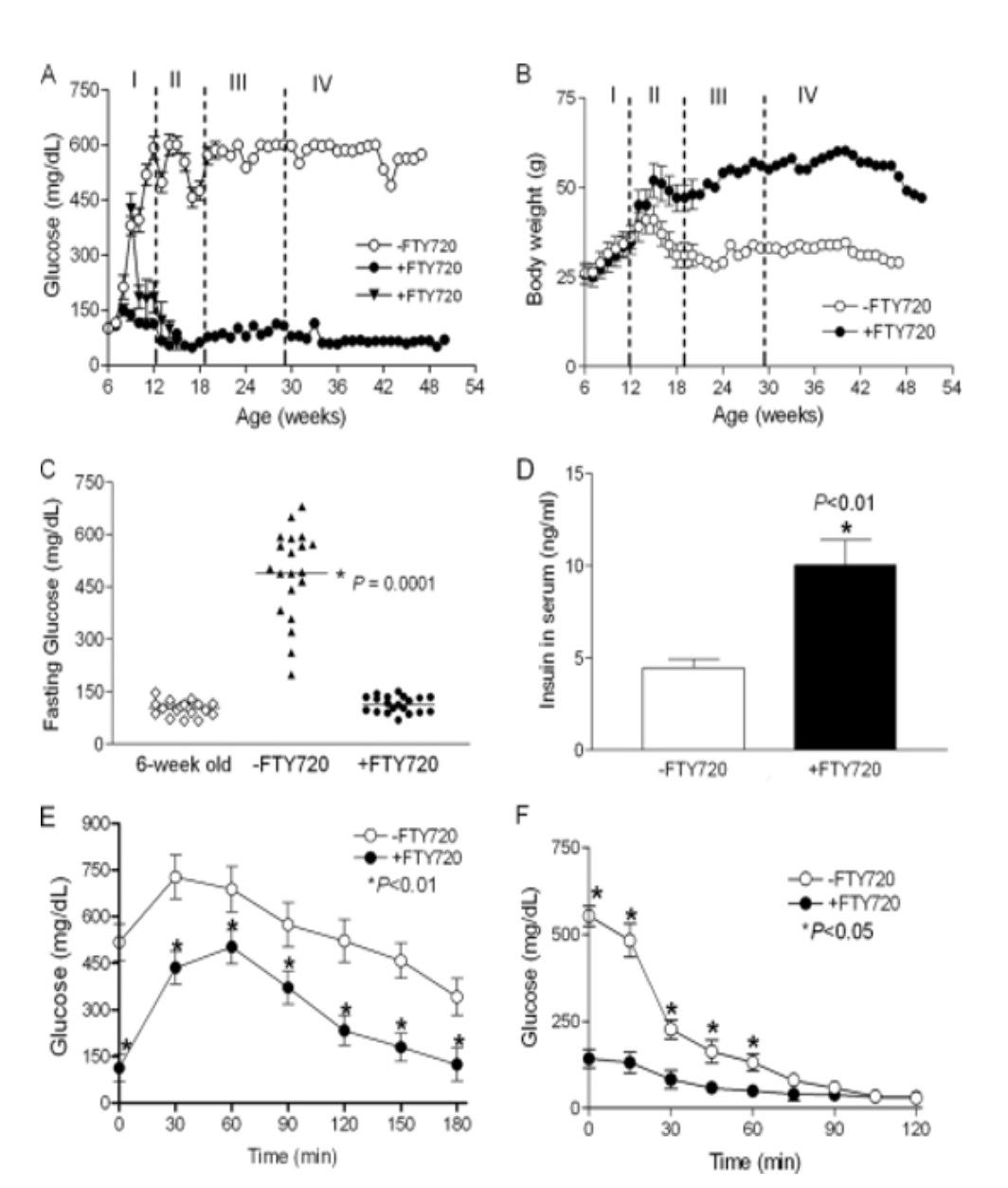
A representative project used db/db mice to investigate the effect of the small molecule FTY720 in a diabetic animal model. The study evaluated fasting glucose, body weight, serum insulin, glucose tolerance, and insulin tolerance. In the scientist-provided study data, FTY720 treatment was associated with lower fasting glucose levels in treated db/db mice, together with changes in metabolic endpoints.
Zhao Z, Choi J, Zhao C, Ma ZA. (2012). FTY720 normalizes hyperglycemia by stimulating β-cell in vivo regeneration in db/db mice through regulation of cyclin D3 and p57(KIP2). Journal of Biological Chemistry, 287(8), 5562–5573. doi:10.1074/jbc.M111.305359.
Project Example 2: In Vivo Pharmacokinetics of CC-401
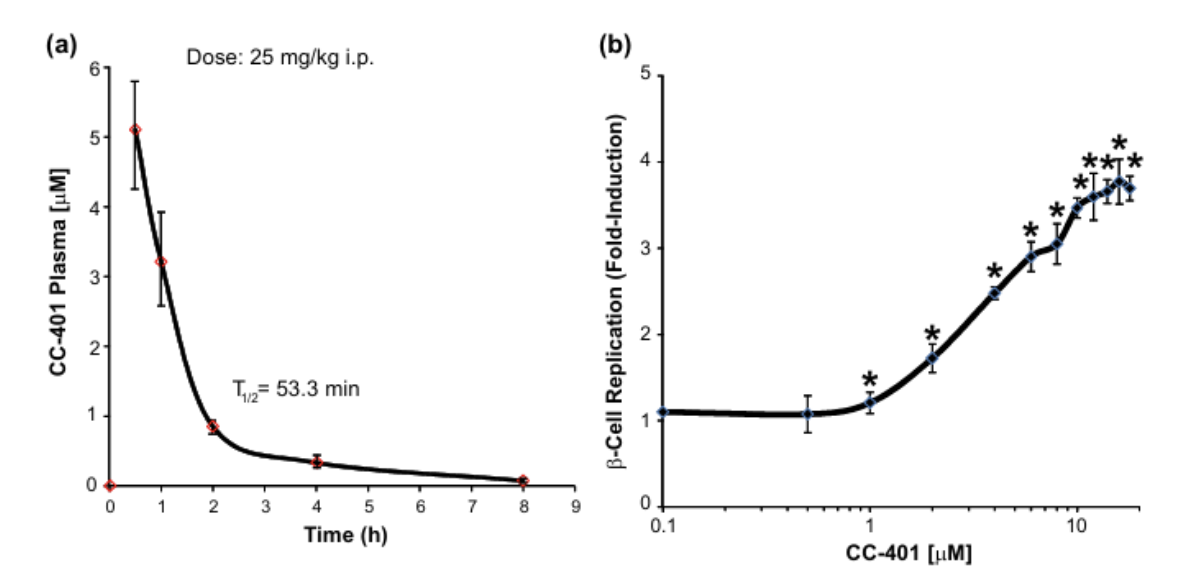
Another project examined the in vivo pharmacokinetics of CC-401 in mice. Eight-week-old female C57BL/6J mice received vehicle or CC-401 at 25 mg/kg, followed by serial plasma collection and LC-MS/MS analysis for intact compound identification and quantification. The resulting exposure profile was used to assess compound stability in vivo. The accompanying scientist-provided figure also illustrates the relationship between CC-401 concentration and beta-cell replication.
Abdolazimi Y, Zhao Z, Lee S, Xu H, Allegretti P, Horton TM, et al. (2018). CC-401 promotes β-cell replication via pleiotropic consequences of DYRK1A/B inhibition. Endocrinology, 159(9), 3143–3157. doi:10.1210/en.2018-00083.
Project Example 3: Preclinical Oncology and Xenograft Studies
APS scientists also have experience with patient-derived xenograft (PDX) and cell-derived xenograft (CDX) models for translational oncology research. These models can support evaluation of tumor growth, treatment response, therapeutic efficacy, PK/PD relationships, mechanisms of action, and single-agent or combination therapies.
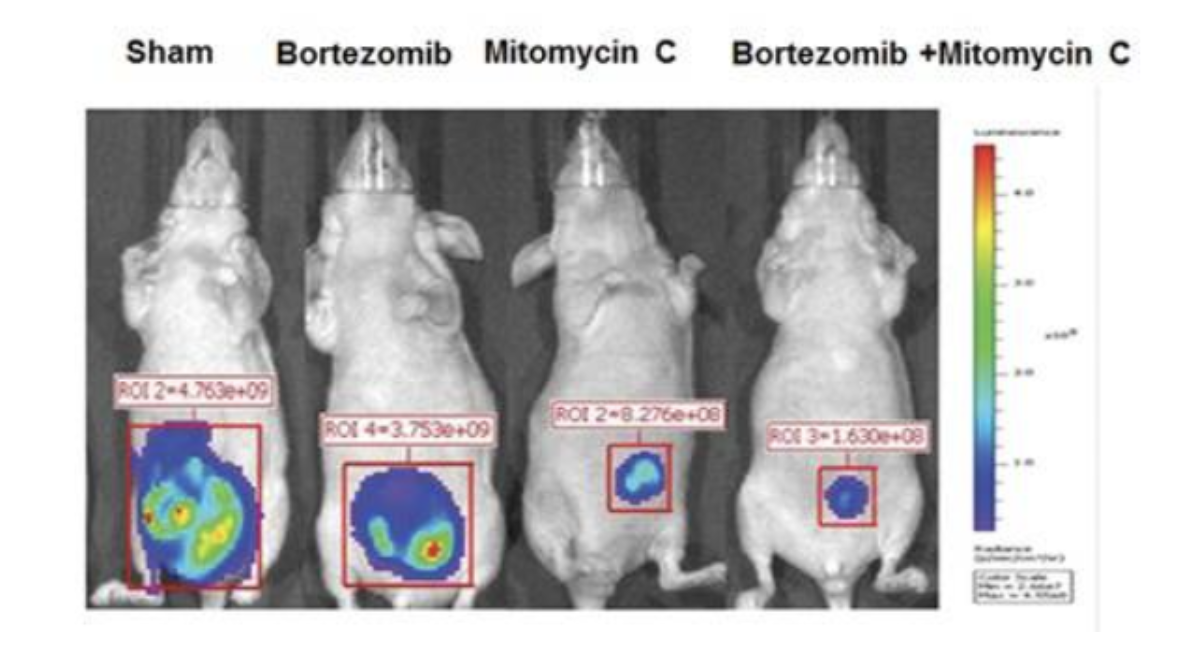
CDX models provide a controlled approach for evaluating tumor biology and pharmacological activity. Luciferase-labeled cancer cell lines can be incorporated to enable longitudinal bioluminescence imaging, allowing tumor burden to be monitored noninvasively at multiple points during treatment. PDX models can provide a complementary translational approach by maintaining important characteristics of the originating human tumor.
Longitudinal IVIS Imaging
Longitudinal imaging can provide information that is difficult to obtain from endpoint measurements alone. IVIS imaging of luciferase-labeled tumor models allows investigators to follow changes in tumor burden during treatment and can complement tumor measurements, histopathology, and molecular analysis collected from the same study.
A luciferase-labeled colorectal cancer CDX model was used to evaluate responses to single agents and combination treatment. IVIS imaging was used to follow tumor progression and treatment-associated changes in tumor burden over time. This type of design can support investigation of combination therapies and the biological mechanisms underlying treatment response.
Song X, Dilly AK, Choudry HA, Bartlett DL, Kwon YT, Lee YJ. (2015). Hypoxia promotes synergy between mitomycin C and bortezomib through a coordinated process of Bcl-xL phosphorylation and mitochondrial translocation of p53. Molecular Cancer Research, 13(12), 1533–1543. doi:10.1158/1541-7786.MCR-15-0237.
Project Example 4: Mechanistic and Translational Oncology Studies
Beyond tumor size alone, APS scientists have experience investigating cancer-associated mechanisms including apoptosis, autophagy, hypoxia, endoplasmic reticulum stress, and signaling pathways. research examining hypoxia-related interactions between mitomycin C and bortezomib, as well as PDX-related work in a murine xenograft model of appendiceal pseudomyxoma peritonei.
These types of studies illustrate how efficacy measurements can be combined with mechanistic endpoints to better understand why a therapeutic response occurs, not simply whether tumor growth changes.
Integrating In Vivo Endpoints with Histopathology and Biomarker Analysis
One of the central advantages of the APS model is the ability to connect in-life observations with detailed tissue analysis. Following treatment, collected tissues can be evaluated using routine histopathology, special stains, IHC, immunofluorescence, multiplex immunofluorescence, RNAscope®, digital pathology, and quantitative image analysis. This allows systemic exposure and efficacy findings to be interpreted alongside cellular, molecular, and morphological changes within the target tissue.
For oncology programs, for example, tumor growth inhibition or IVIS measurements can be paired with tumor histopathology, proliferation or apoptosis markers, immune-cell phenotyping, spatial biomarker analysis, and tumor-microenvironment characterization. For metabolic, neurological, inflammatory, or toxicology studies, the same integrated principle can connect circulating biomarkers and pharmacology data with organ-specific pathology and molecular changes.
A Flexible Workflow for Different Therapeutic Modalities
APS study designs can be adapted for small molecules, large molecules and biologics, ADCs, antibodies, and nucleic acid therapeutics. Administration routes may include oral gavage, intravenous, subcutaneous, intraperitoneal, intramuscular, topical/dermal, and intracerebral or intracerebroventricular administration when appropriate for the model and protocol.
Depending on study needs, imaging and monitoring capabilities can include ultrasound, optical imaging such as IVIS, MRI, and access to specialized surgical suites through collaborating facilities. The objective is not to apply the same workflow to every program, but to select the model, dosing strategy, sampling plan, analytical platform, pathology endpoints, and imaging approach that best address the scientific question.
From Exposure to Mechanism: Building a Connected Dataset
A well-designed in vivo study can generate multiple layers of information. PK establishes how the candidate is exposed and cleared. PD and biomarker measurements indicate whether the intended biological pathway is being modulated. Efficacy endpoints show whether that activity translates into a measurable therapeutic effect. Histopathology and spatial analysis reveal where those effects occur and how tissues and cell populations respond.
By bringing these components into a coordinated study strategy, APS aims to help research teams move from isolated measurements toward a connected interpretation of drug exposure, target engagement, efficacy, biomarkers, and tissue response. This approach is applicable from early discovery and proof-of-concept work through later preclinical and translational programs.
Partner with APS for Your Next In Vivo Study
Whether your program involves a small molecule, biologic, ADC, siRNA/ASO therapeutic, metabolic disease model, oncology xenograft, PK/PD study, toxicokinetic assessment, or tissue-based biomarker program, APS can work with your team to develop a study plan aligned with your scientific objectives.
Visit the Applied Pathology Systems profile on Scientist.com or www.appliedpathology.com to explore our in vivo pharmacology, pathology, and biomarker offerings and connect with our scientists about your next preclinical research project.

Take the Next Step
Explore Suppliers
Browse trusted partners with relevant expertise
Review Capabilities
Compare services, experience, and past work
Start Your Project
Connect and begin collaborating
Sponsor



.png)
.avif)



.avif)